World Cup Nutritionist Decries America's Fast Food Culture
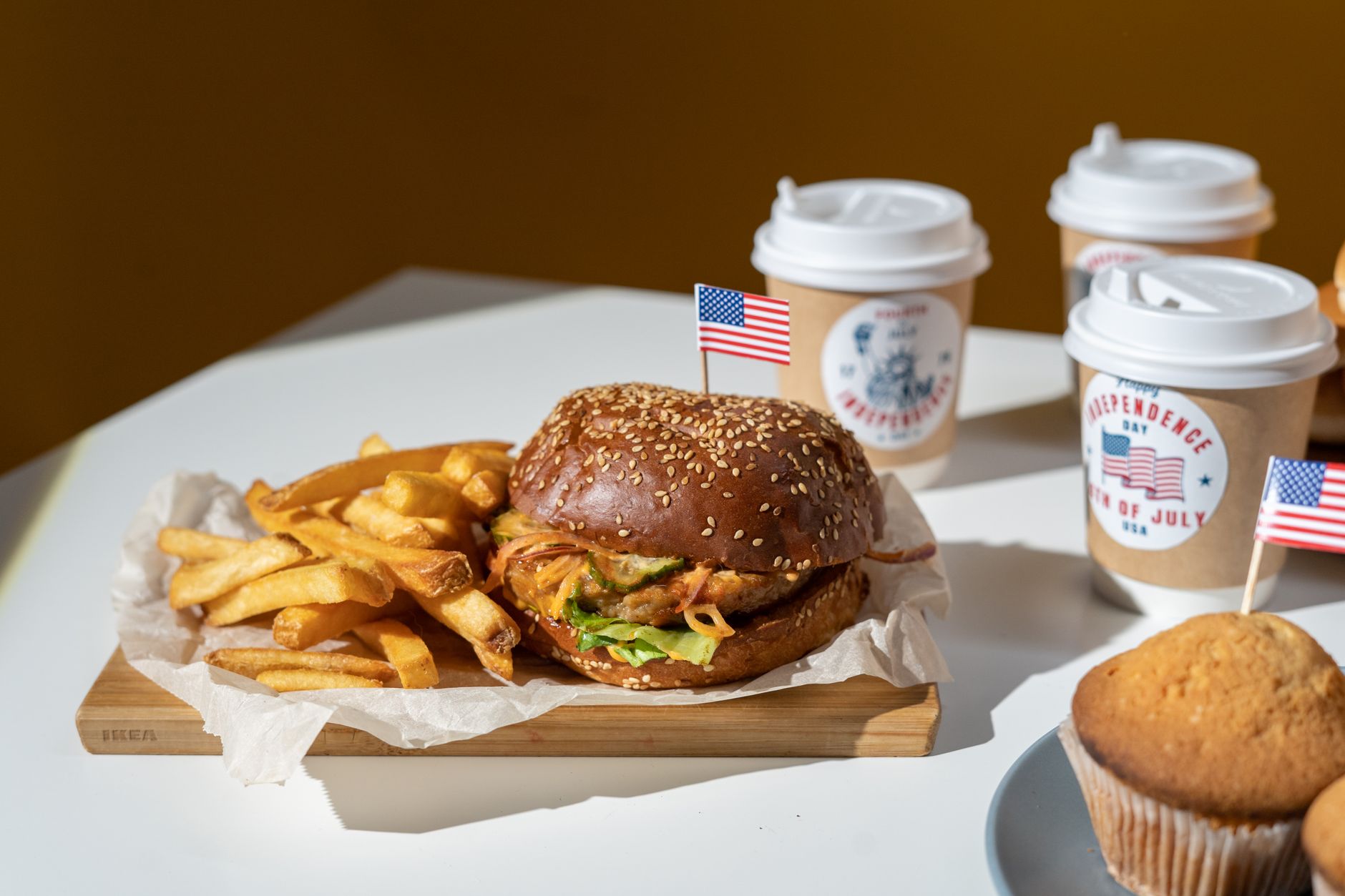
The FIFA World Cup 2026, spanning across the United States, Canada, and Mexico, is more than just a sporting spectacle. Amidst the fervour of football, a nutritionist has sounded the alarm over the American food environment, describing it as 'shocking'. The expert, who advises several national teams, expressed deep concern over the prevalence of fast food chains and processed meals, which stand in stark contrast to the dietary regimens meticulously followed by professional athletes.
With 48 teams competing in this expanded tournament, the need for optimal nutrition is paramount. However, the omnipresence of unhealthy dining options in the United States could derail athletes' efforts to maintain peak physical condition. The nutritionist, speaking candidly, remarked, 'The sheer volume of fast food outlets is astounding. It's a challenge to find fresh, nutritious meals when you're surrounded by burgers and fries.'
A Dietetic Dilemma
The United States, often criticised for its fast food culture, presents a unique set of challenges for teams accustomed to more balanced diets. The nutritionist highlighted the difficulty players face in sourcing ingredients that align with their strict dietary requirements. 'It's not just about avoiding the obvious junk food,' the expert noted. 'It's about ensuring access to high-quality, nutrient-dense foods, which is surprisingly difficult.'
In a nation where convenience often trumps nutrition, the struggle to maintain a healthy diet is not insignificant. The nutritionist’s comments have sparked a broader discussion about the role of food environments in sporting events and whether host countries should be held accountable for providing healthier options.
Implications for the Future
The concerns raised go beyond the immediate tournament. They underscore a growing awareness of the impact of food environments on health and performance. As the world’s premier football event unfolds, it also serves as a reminder of the broader societal issues linked to diet and lifestyle.
For now, teams are left to navigate this culinary minefield. Nutritionists are working overtime to ensure their players get the best possible sustenance amidst less-than-ideal conditions. The hope is that these discussions will lead to positive changes, both for the athletes competing today and for future tournaments.