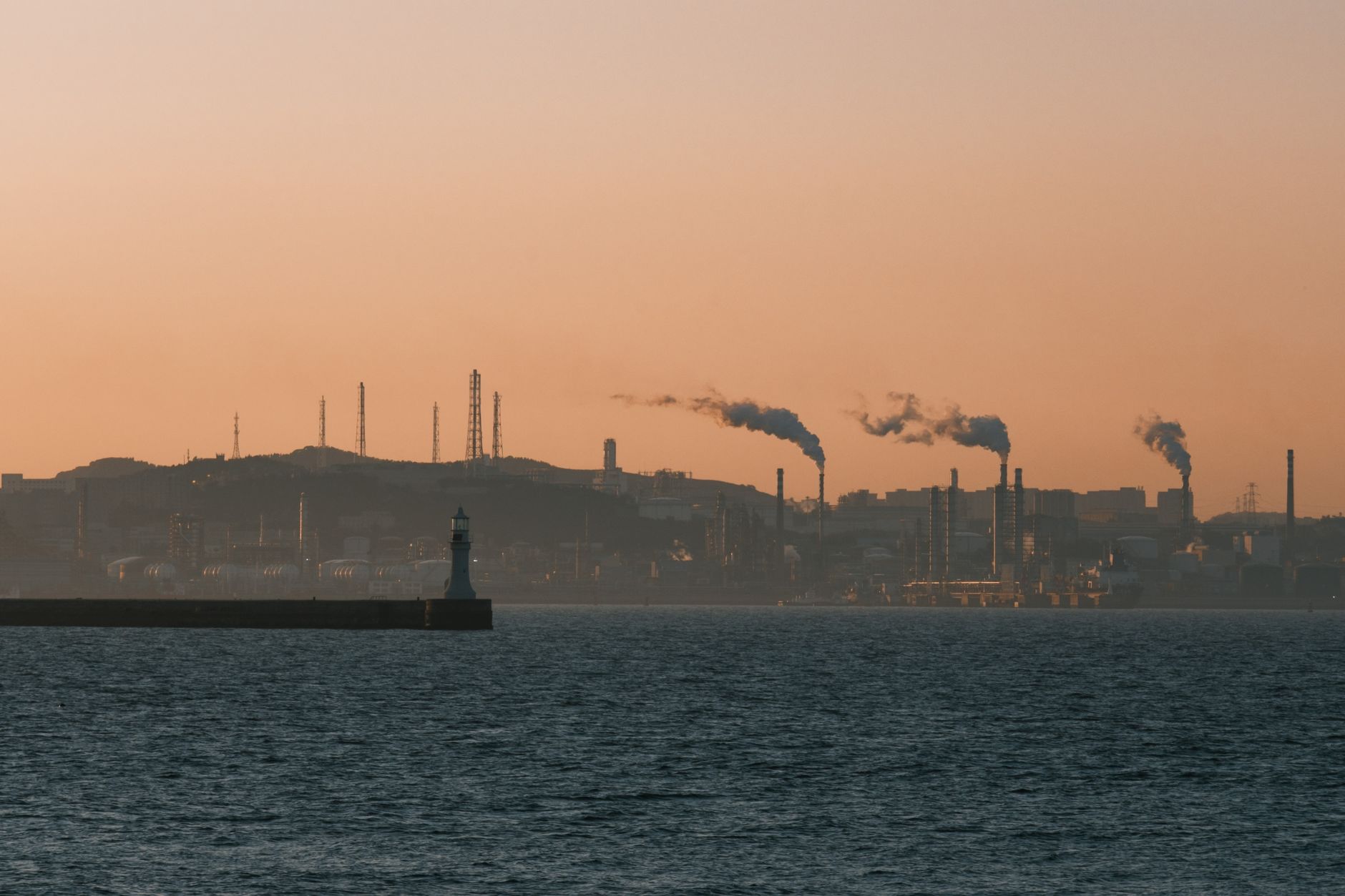
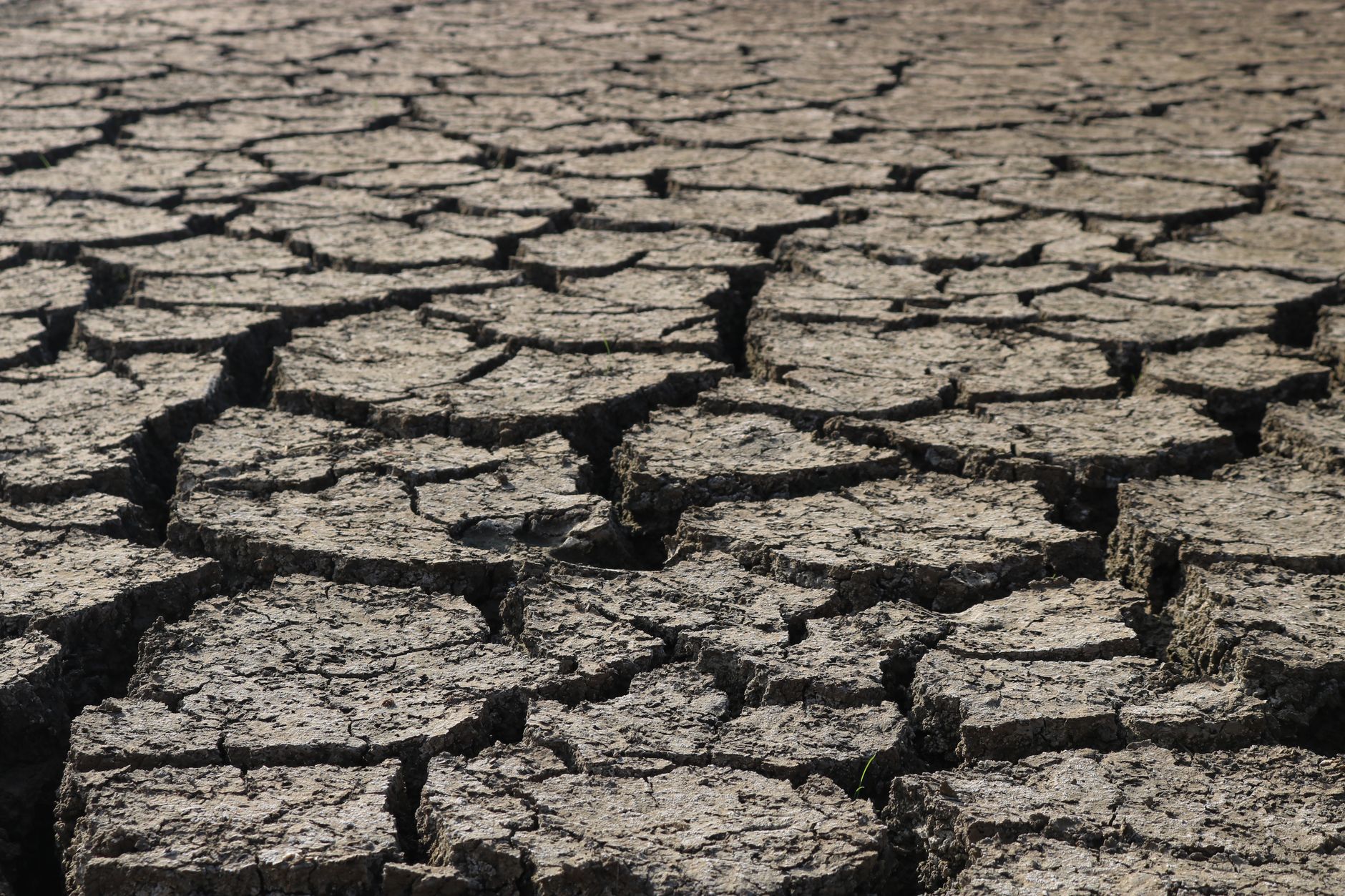
World Environment Day 2026: Real Estate's Climate Challenge

As the sun rises over Baku, Azerbaijan, this World Environment Day 2026 is marked by a renewed urgency. The theme, centred on climate change, resonates globally as the real estate sector grapples with its share of responsibility. Gone are the days when buildings were merely brick and mortar; today, they stand as symbols of human ingenuity, adapting to the planet's cries for help.
Real estate developers are increasingly turning to green technologies and sustainable practices. Solar panels glint atop skyscrapers, while rainwater harvesting systems quietly sustain verdant rooftops. These innovations are not mere embellishments but essential components of a broader strategy to curb emissions and mitigate climate impacts. The shift is not just about compliance with regulations but a profound transformation of philosophy within the industry.
Rethinking Urban Landscapes
Urban planners are also re-evaluating traditional approaches. Cities, once sprawling and energy-intensive, are being reimagined as compact, walkable spaces that reduce reliance on cars. Public transport systems are prioritised, and green spaces are integrated into urban fabrics, offering both ecological benefits and improved quality of life for residents.
In London, a city often at the forefront of environmental innovation, architects are designing mixed-use developments that combine residential, commercial, and leisure spaces, reducing the need for long commutes and thus lowering carbon footprints. This is not just about aesthetics; it's about survival in a world where climate change is an undeniable reality.
The Role of Policy and Innovation
Government policies are pivotal in steering the real estate sector towards sustainability. Incentives for energy-efficient buildings and penalties for excessive emissions are becoming commonplace. Moreover, advancements in materials, such as carbon-negative concrete and self-cooling paints, are being embraced as tools to build a resilient future.
Yet, challenges remain. Retrofitting existing structures to meet new standards is both costly and complex. However, the long-term benefits, both environmental and economic, are driving change. The narrative is clear: the real estate sector must adapt, innovate, and lead by example as the world seeks to repair its fractured relationship with nature.