Yohei Kono: The Statesman Who Faced Japan's Past
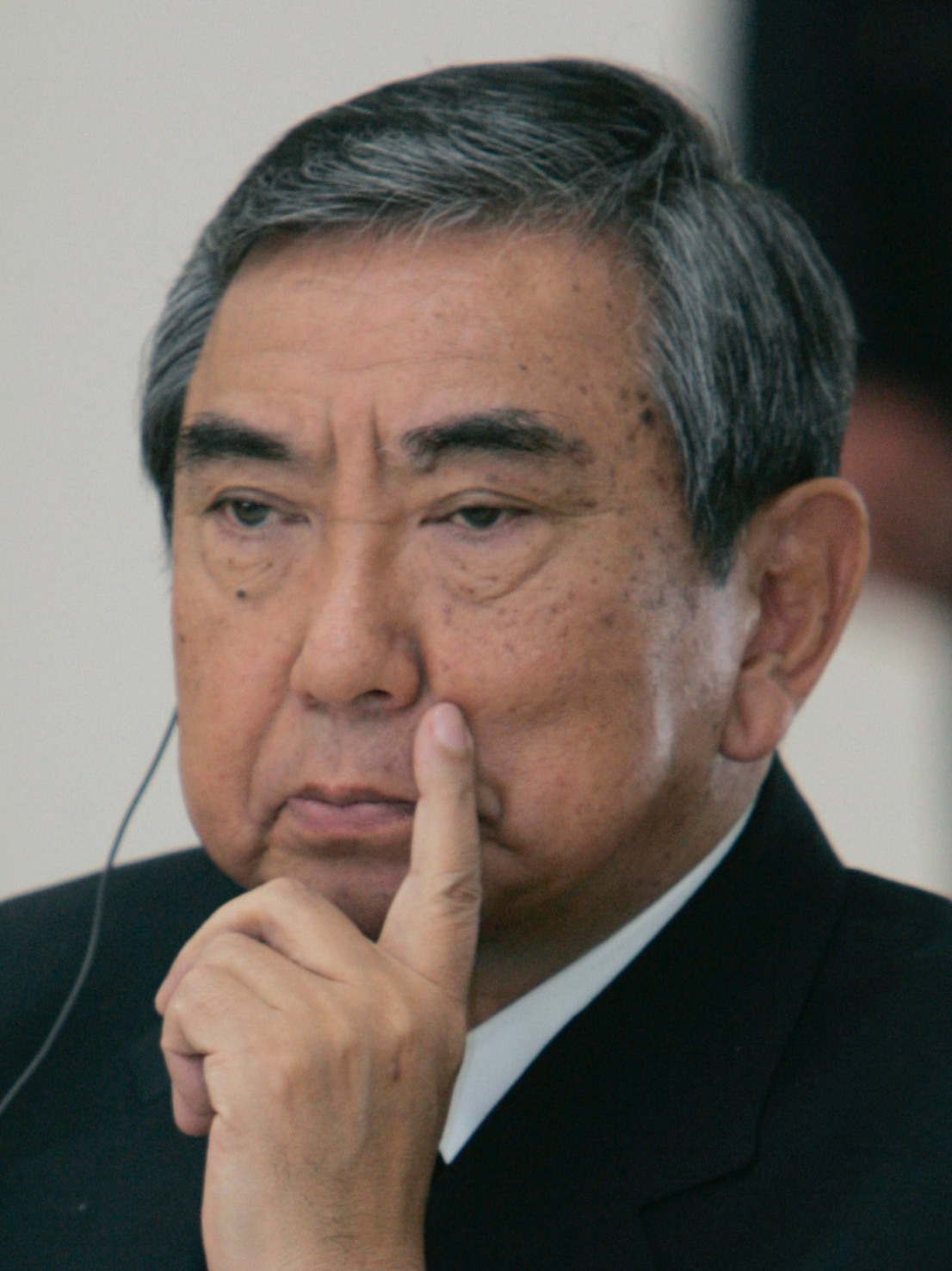
In the shadow of the Second World War's relentless devastation, Yohei Kono stood as a beacon of reconciliation. His death at the age of 89 has brought into sharp relief the enduring impact of his career, not least his memorable 1993 apology for Japan's wartime sexual enslavement of women, euphemistically termed 'comfort women'.
Kono's apology, issued while he was Chief Cabinet Secretary, was a watershed moment. It acknowledged the grievous abuse suffered by tens of thousands of women across Asia who were coerced into sexual servitude by the Japanese military. This gesture was not merely a diplomatic formality; it was a bold admission of guilt that challenged the prevailing narratives in Japan at the time.
Born into a political family, Kono's career spanned decades, during which he held several senior positions including Speaker of the House of Representatives and President of the Liberal Democratic Party. Yet, it was his courage to confront Japan's past that defined his legacy. In an era where leaders often skirt around uncomfortable truths, Kono's forthrightness set him apart.
The 'Kono Statement', as it became known, was met with both praise and criticism. Within Japan, it sparked a national debate about historical accountability and the country's role in the war. Internationally, it was welcomed as a step towards healing and was seen as a crucial move in mending Japan's strained relations with its Asian neighbours.
Despite facing backlash from nationalist factions, Kono remained steadfast in his convictions. His actions underscored a deep-seated commitment to justice and reconciliation, virtues that have earned him enduring respect across Asia.
Yohei Kono's passing marks the end of an era, but his courage and vision leave an indelible imprint on Japan's historical consciousness. As Japan continues to grapple with its wartime legacy, Kono's example of facing uncomfortable truths with humility and courage serves as a guiding light.