Yorkshire Firms Fined Heavily for Environmental Breaches
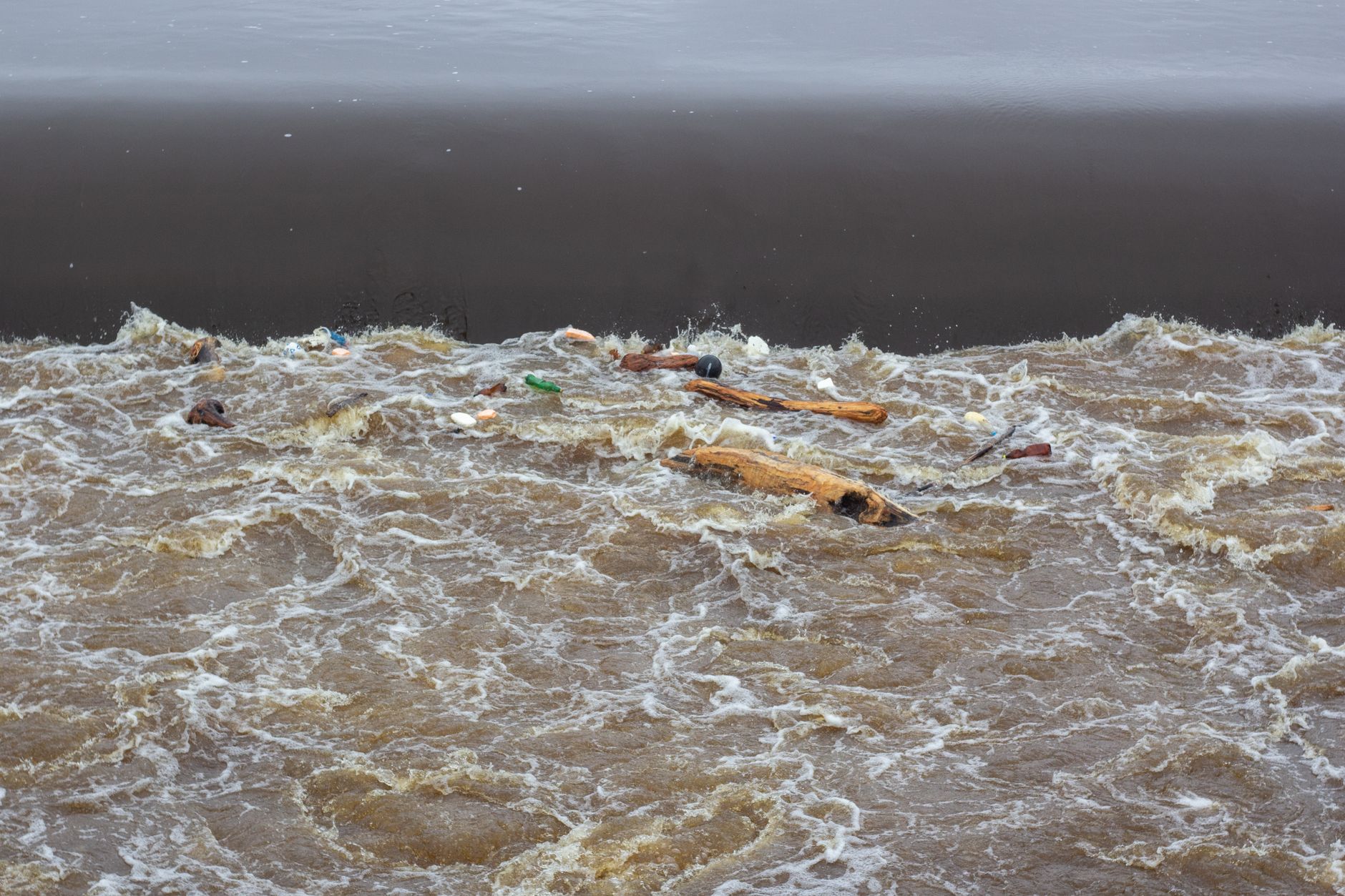
In a significant stride towards enforcing environmental accountability, the Environment Agency has dealt a hefty blow to four Yorkshire-based companies, fining them a cumulative £470,000 for a series of breaches related to environmental permits. This stern action, announced earlier this week, sends a clear message about the agency's unwavering resolve to uphold ecological standards.
The companies in the spotlight include Cleveland Potash and Balfour Beatty, among others, who were found culpable of multiple infractions that resulted in environmental degradation. These breaches varied from improper waste management to failures in pollution control, each contributing to a broader narrative of non-compliance that the agency has been determined to address.
The Wider Implications
While the fines themselves are substantial, their allocation is equally noteworthy. Directed towards local environmental charities, the funds are intended to bolster initiatives that aim to repair and prevent ecological damage. This approach not only punishes the offenders but also provides resources for positive change and community engagement.
Historically, such penalties have been seen as both a deterrent and a corrective measure, reflecting a dual purpose of enforcement and education. The Environment Agency has stated that it will continue to monitor compliance rigorously, ensuring that companies adhere to the regulations designed to protect natural resources.
A Stern Reminder
For the companies involved, this development serves as a stark reminder of the potential financial and reputational risks of neglecting environmental responsibilities. The fines come amidst growing public and governmental scrutiny over industrial impacts on climate and local ecosystems.
The message is clear: environmental regulations are not mere formalities but essential frameworks intended to safeguard our planet. As global awareness and concern about environmental issues intensify, such regulatory actions are likely to become more frequent and more severe.