Accidental Discovery Challenges DNA Principles
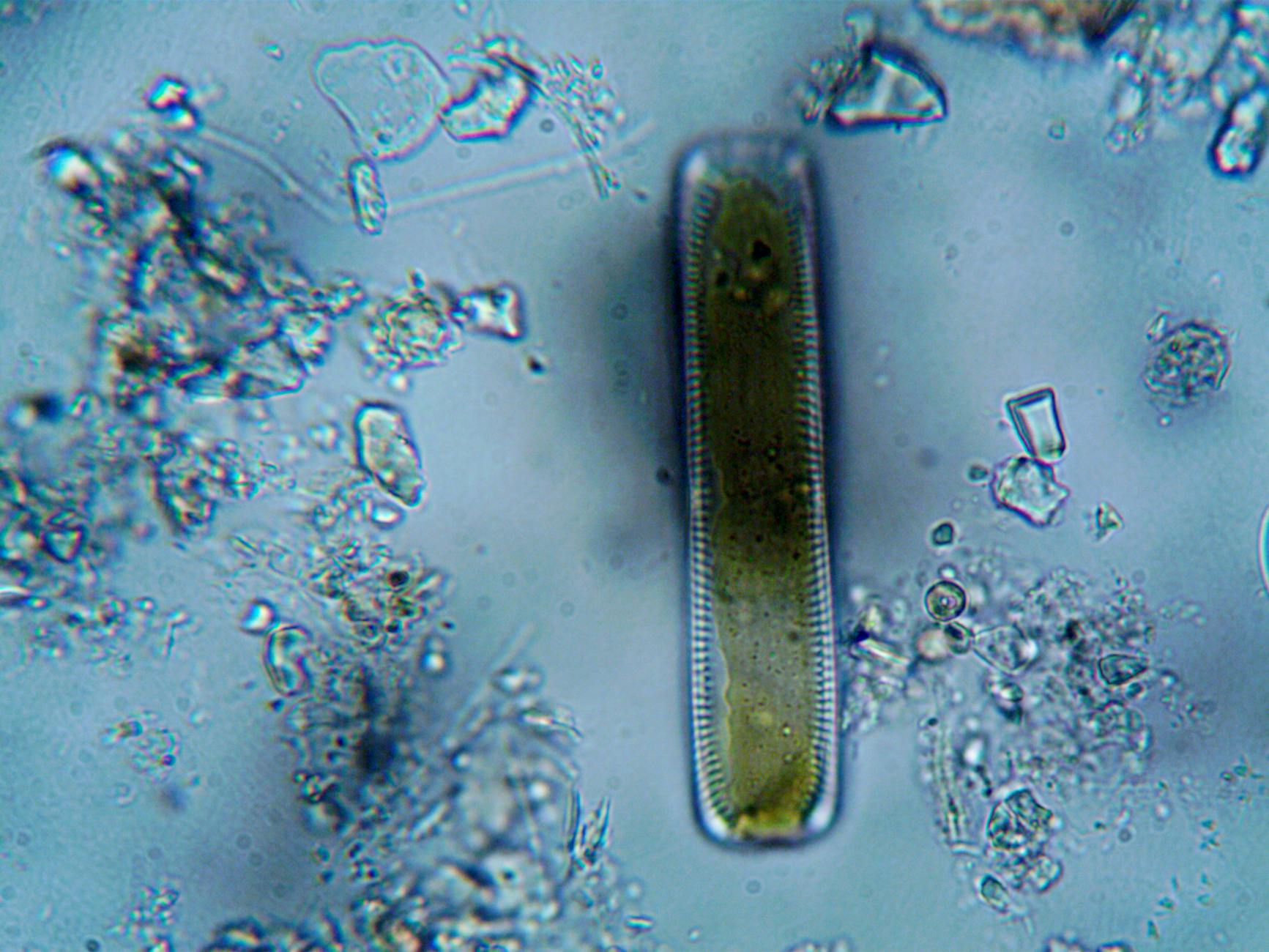
Every so often, a scientific discovery turns the established order on its head. This time, the culprit is a tiny microbe residing in the depths of our oceans. Researchers at Dalhousie University in Canada were conducting routine examinations of marine plankton when they stumbled upon something extraordinary — a DNA sequence unlike any previously catalogued.
The organism, tentatively named Sukunaarchaeum, has genetic material that assimilates with its host's genes, a trait that raises eyebrows in the world of evolutionary biology. The discovery was not only accidental but also paradigm-shifting, challenging what we thought we knew about the very rules of life.
An Unexpected Find
It was molecular biologist Ryo Harada and his team who first identified this bizarre genetic structure. Their original aim was to study the common genetic sequences in marine plankton. Instead, they found themselves face-to-face with an anomaly. This DNA defies the 'universal' rules by which we classify life, suggesting a possible intermediate evolutionary stage between viruses and autonomous cells.
Such a discovery could potentially rewrite textbooks, offering insights into the evolution of complex cellular life. It challenges the binary classification of life forms as either viral or cellular, suggesting that the history of life on Earth may be far more intricate than previously thought.
Implications for Evolutionary Biology
The implications are profound. If further research supports these findings, Sukunaarchaeum may indeed fill a gap in our understanding of how life transitioned from simple to complex forms. The organism's capacity to incorporate host genes could provide clues about the early mechanisms of genetic exchange, a critical process in the evolution of biodiversity.
As scientists continue to unravel the mysteries of this enigmatic DNA, the discovery serves as a potent reminder of the ocean's untapped potential. It reinforces the idea that the depths of our seas may hold answers to questions we have yet to ask.
In a field where rules are seldom broken, Sukunaarchaeum stands as a testament to the unpredictable nature of scientific exploration. Its existence not only broadens our understanding but also fuels the enduring quest to comprehend life's origins.