Alarm as 'Forever Chemicals' Found in Nearly All Blood Samples
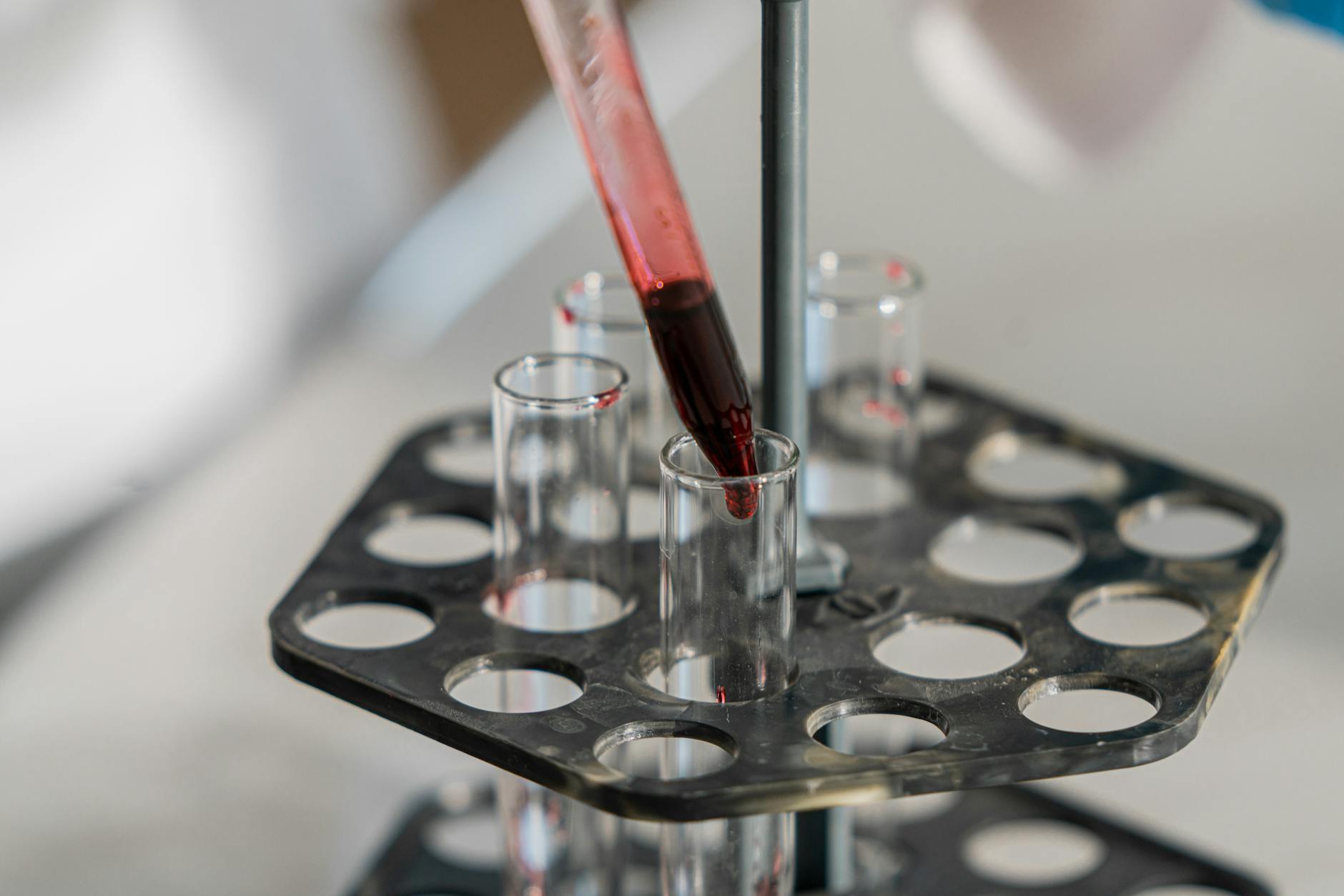
The ubiquitous nature of 'forever chemicals' has been underscored by a new study, which found these persistent compounds in 98.8% of over 10,500 blood samples tested. Commonly known as PFAS, these chemicals have been linked to a host of health issues, including cancer, immune system dysfunction, and hormonal disruptions. Their alarming prevalence has reignited debates over the safety of everyday products and environments that harbour these substances.
Per- and polyfluoroalkyl substances (PFAS) have earned their moniker as 'forever chemicals' due to their extraordinary resilience. They do not break down easily in the environment, nor do they leave the human body quickly, leading to a build-up over time. This persistence raises significant health concerns, as chronic exposure could have far-reaching implications.
Public Health Implications
The discovery of PFAS in nearly all blood samples tested paints a grim picture of modern environmental contamination. Dr. Jane Templeton, an environmental scientist, remarked, "It's not just industrial areas; PFAS are now part of our everyday lives – from the water we drink to the products we use." This pervasive presence has prompted calls for stricter regulatory measures and public health initiatives aimed at reducing exposure.
Current regulations on PFAS are considered inadequate by many experts who argue that the standards fail to address the complexities of these chemical mixtures. Calls for more comprehensive guidelines have intensified, especially as new studies continue to reveal the extent of contamination.
The Way Forward
As awareness of PFAS grows, so does the demand for action. Governments are under increasing pressure to implement policies that limit the use of these chemicals and find safer alternatives. Meanwhile, consumers are urged to stay informed and make conscious choices about the products they bring into their homes.
In the UK, initiatives are underway to better understand the local prevalence of PFAS and its potential health impacts. While the path forward is fraught with challenges, the collective push for change signifies hope for a future where 'forever chemicals' are no longer a ubiquitous part of human life.