Amazon's Chile Data Centre Clears Legal Hurdle Amid Environmental Concerns
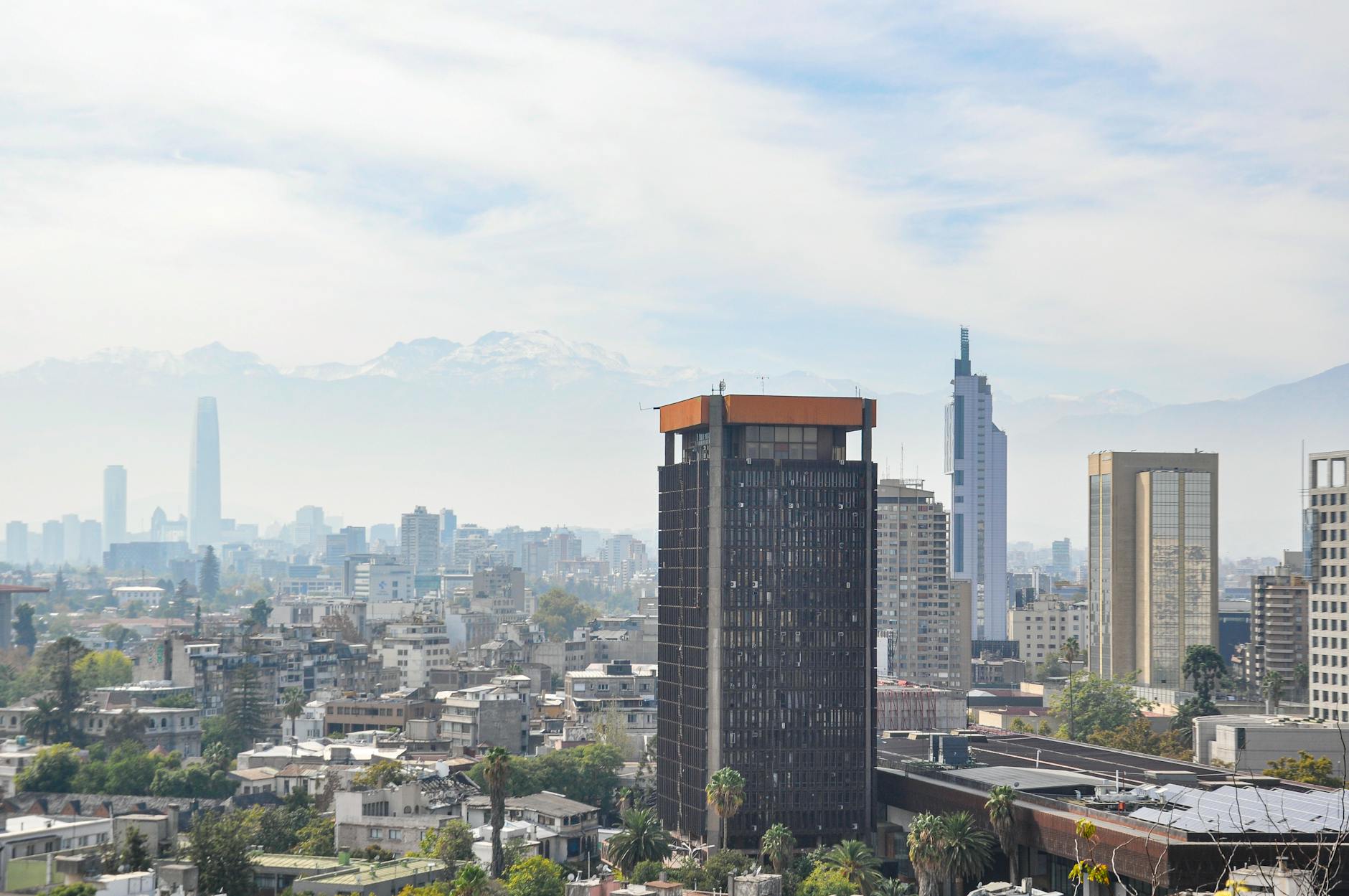
In the leafy suburbs of Santiago, Chile, a legal battle over technology and nature has reached its conclusion. Amazon's proposed data centre has been given the all-clear to proceed, much to the dismay of local residents who fear the environmental impact.
Patricio Hernandez, a vocal opponent of the project, represents a chorus of residents who have long argued that the centre would mar the verdant hills that characterise their community. Their concerns were overridden when environmental authorities ruled that while the data centre itself may proceed, any plans for a power line will be assessed separately.
This decision has not quelled the unease among locals. "We're not against progress," Hernandez explained, "but it shouldn't come at the cost of our natural surroundings." The data centre, scheduled for completion in 2026, is part of Amazon's broader strategy to expand its AI infrastructure globally.
The Balancing Act
Chile stands at a crossroads. On one hand, it is a burgeoning hub for tech giants like Google and Microsoft, who are also investing heavily in local data infrastructure. On the other, it is a nation with a rich bounty of renewable energy resources, particularly solar and wind power.
Environmentalists argue that while these projects promise economic growth and technological advancement, they also pose significant risks to local ecosystems. Notably, data centres are notorious for their immense water usage, a concern in a country already grappling with water scarcity.
Looking Ahead
Chile's government has championed its transition to renewable energy, with 91% of Google's data centre energy needs reportedly met by carbon-free sources. Yet, as more data centres spring up, the challenge will lie in ensuring that their environmental footprint is minimised.
For now, the residents of Santiago are left to ponder the future of their beloved landscape. The tension between progress and preservation remains palpable, a reminder of the delicate balancing act that modern societies must navigate.