Ancient Ancestors in Blood: A 700-Million-Year Legacy Unveiled
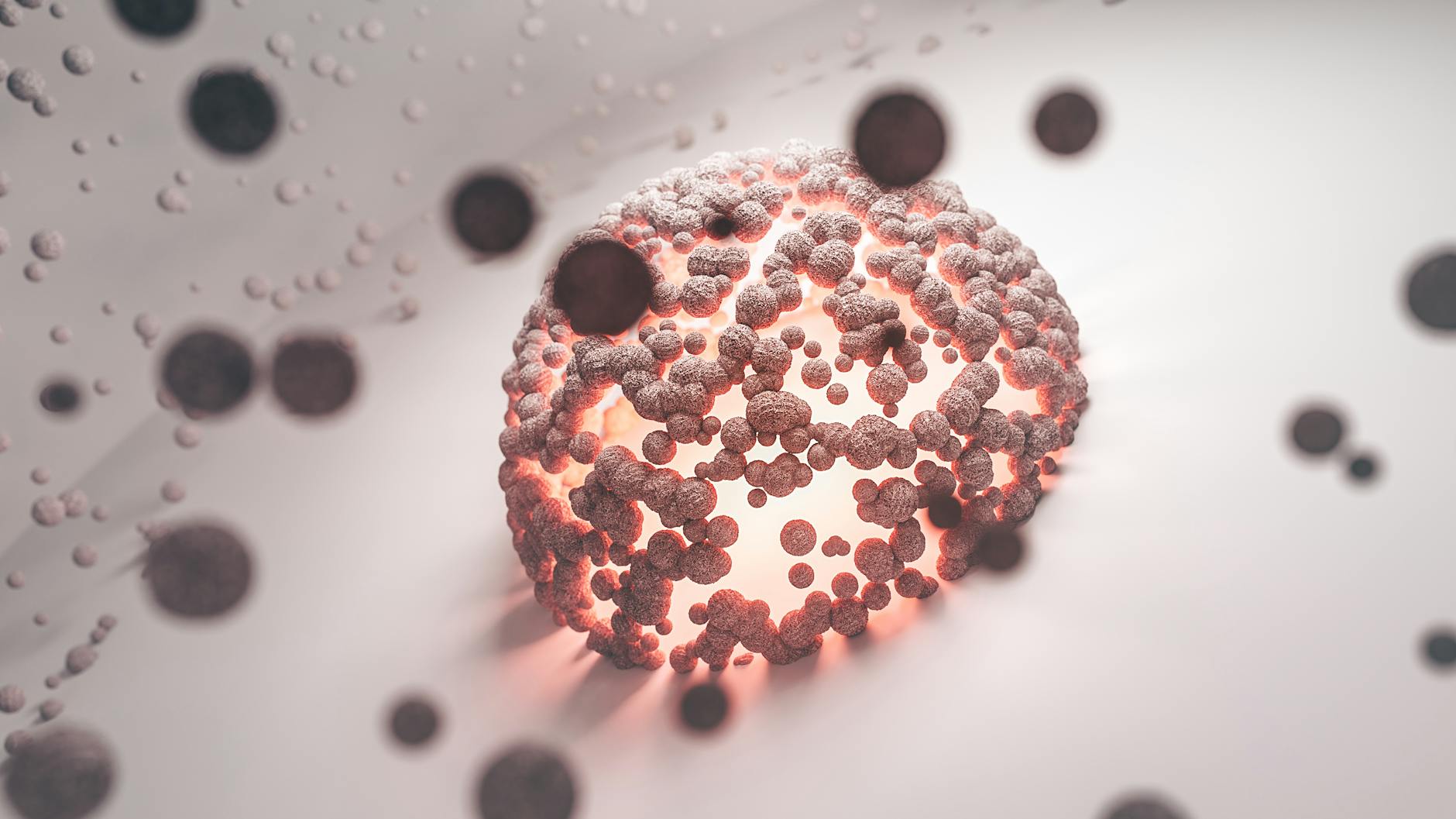
The discovery of ancient single-celled ancestors residing in our blood may seem like the stuff of science fiction, yet it is a reality that scientists have recently unveiled. Tracing back over 700 million years, researchers have identified that the key cells responsible for immune defence, known as macrophages, closely resemble these primeval entities. This revelation not only enriches our understanding of human evolution but also underscores the intricate legacy of our immune system.
Macrophages, the cells that patrol our bodies for intruders and debris, have long been recognised as crucial players in immune response. Their uncanny resemblance to ancient single-celled organisms suggests that the earliest blood cells were indeed macrophage-like, acting as the first line of defence in a primordial world.
The Evolutionary Link
The study, which builds on years of evolutionary biology research, posits that these macrophage-like cells likely emerged well before complex life forms, offering a glimpse into a time when life on Earth was dominated by simple organisms. This finding challenges previous assumptions about the timeline of immune system evolution and provides a new perspective on how our bodies have adapted to fight infections over millions of years.
By analysing the genetic makeup of these cells, scientists have constructed a lineage that connects modern immune cells to their ancient predecessors. It is a remarkable story of continuity, highlighting how some mechanisms of survival have remained unchanged despite the vast evolutionary changes that have occurred since then.
Implications for Modern Medicine
Understanding this ancient connection has profound implications for modern medicine. It could lead to new insights into autoimmune diseases, where the immune system mistakenly attacks the body's own cells, and inform the development of therapies that harness the body's natural defence mechanisms more effectively.
While this discovery opens new avenues for research, it also invites us to reflect on the deep-rooted connections we share with the earliest forms of life. It is a humbling reminder of our place in the tapestry of life, where ancient lineages continue to influence our present and future.