Ancient Clue in Quebec Rock Challenges Earth's Early History
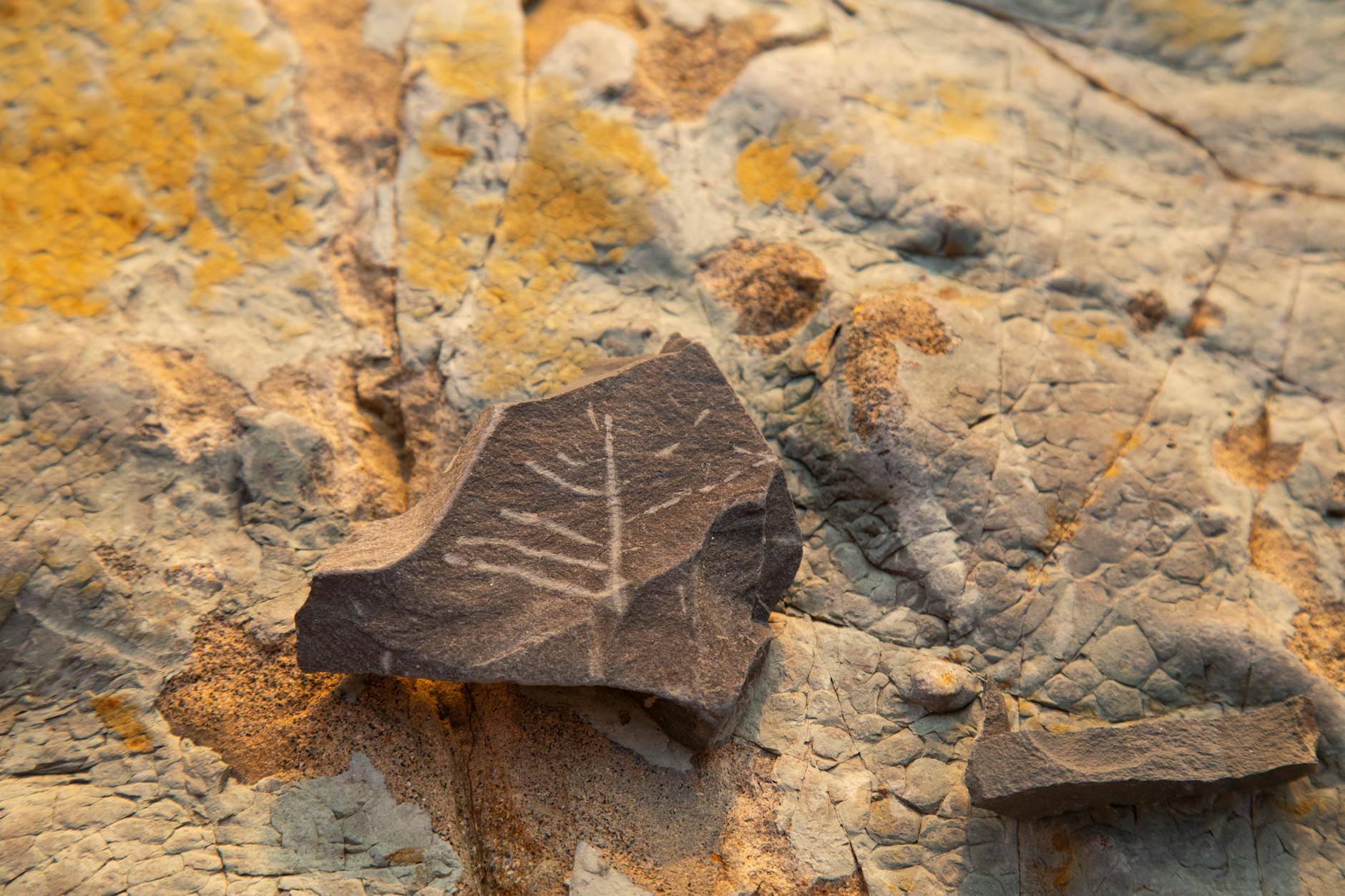
On the windswept shores of Hudson Bay, a seemingly unremarkable rock has sparked a seismic shift in our understanding of Earth's early history. Nestled within Quebec's Nuvvuagittuq Greenstone Belt, this ancient formation might hold the keys to our planet's primordial past.
Researchers have long been captivated by this region, home to some of the oldest rocks on Earth. The Nuvvuagittuq Greenstone Belt, with its magnesium and iron-rich outcrops, has been a focal point of scientific intrigue. However, the precise age of these rocks has been the subject of fervent debate. Recent studies suggest they are a staggering 3.8 billion years old, a finding that could rewrite the geological textbooks.
A Geological Enigma
The Nuvvuagittuq Greenstone Belt's history is akin to a geological enigma. Earlier analyses presented conflicting dates, ranging from 4.3 billion to a more conservative 3.3 billion years. Such disparities arise from the complex processes involved in dating ancient rocks, compounded by the metamorphosed nature of the volcanic formations.
Recent advancements in isotopic dating have offered a more refined age of 3.8 billion years. This age aligns with the period when Earth was a tumultuous young planet, its surface a molten cauldron of activity. The implications of this discovery are profound, offering potential insights into early life conditions and the planet’s developmental trajectory.
Implications for Earth's History
Understanding the age and formation of such ancient rocks is crucial. They serve as time capsules, preserving evidence of the Earth's early atmosphere, climate, and perhaps even the origins of life. The Nuvvuagittuq rocks, particularly the Ujaraaluk formations, named for their solid and enduring nature in Inuktitut, may hold secrets about the Hadean Eon—an era shrouded in mystery.
While the debate over the precise age of these rocks continues, the significance of this discovery is undeniable. It challenges existing paradigms and encourages scientists to reassess models of Earth's formative years. As techniques in geological dating continue to evolve, the story of our planet's past becomes ever more intricate and compelling.