Ancient Yeast Revives: Sourdough Bread Baked from Ötzi's Remains
In the cold, silent company of the Austrian Alps, Ötzi the Iceman lay undisturbed for over five millennia until his discovery in 1991. Now, the ancient mummy is making headlines once again, not for his mysterious demise, but for the yeast found in his remains that has sprung back to life in a modern kitchen.
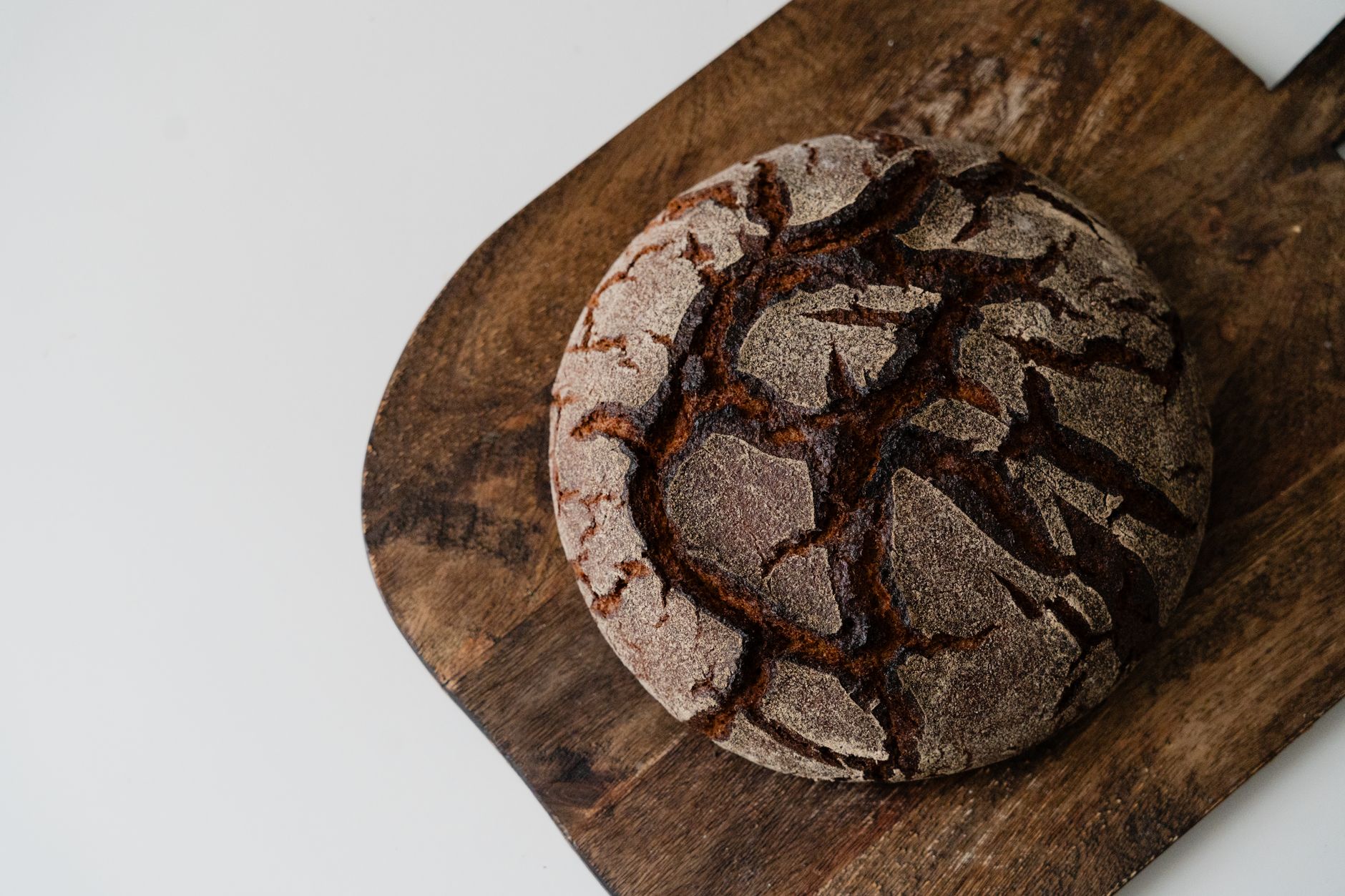
Scientists have baked a sourdough loaf using the yeast extracted from Ötzi, offering a unique taste of the Neolithic. This yeast, having survived the icy tomb of the Alps for thousands of years, was painstakingly revived in a laboratory setting. The result, surprisingly, was a loaf that reportedly tasted 'very good', according to those fortunate enough to sample it.
Ötzi’s yeast is more than just a curiosity; it represents a bridge to our prehistoric past. Bread, a staple of human diet, is deeply intertwined with our cultural and social evolution. By baking a loaf with yeast as ancient as civilisation itself, researchers are not merely indulging in a culinary whimsy but are attempting to reconstruct a fragment of human history.
From Bread to Brew
Encouraged by the success of the sourdough experiment, the team of scientists now harbours ambitions of brewing beer using the same yeast strains. Beer, much like bread, is an ancient delicacy whose origins are shrouded in mystery and tradition. Should the scientists succeed, it would not only be an impressive feat of ingenuity but also a tantalising glimpse into the drinking habits of our ancestors.
The implications of such research extend beyond the culinary. Understanding how ancient yeast strains behave compared to their modern counterparts could provide insights into microbial evolution and resilience. Furthermore, it poses intriguing possibilities for resurrecting other ancient culinary practices.
A Tantalising Prospect
This endeavour to revive ancient yeast is a testament to human curiosity and our relentless pursuit of knowledge. It blurs the boundaries between archaeology and gastronomy, creating a bridge that connects the past with the present. As scientists continue to explore the potential of these ancient microbes, one can only wonder what other secrets the past holds, waiting to be awakened in the present.