Antarctic Ice Reveals Ancient Stardust from Supernovae
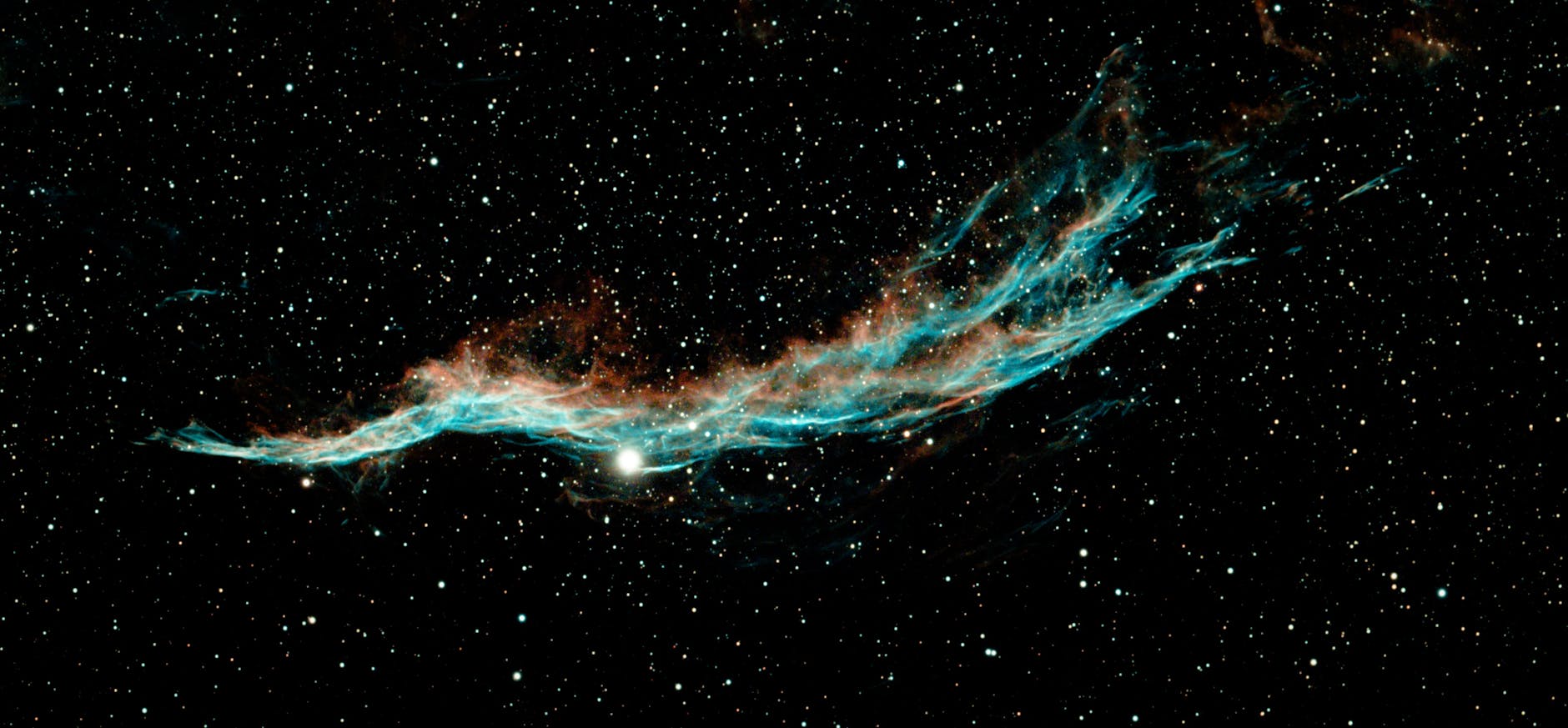
Amidst the frozen expanse of Antarctica, a discovery of cosmic proportions has been made. Scientists have found traces of iron-60, a rare isotope formed in the fiery hearts of massive stars, locked within the ice. This stardust, remnants of ancient supernovae, provides compelling evidence that Earth is traversing through the debris of these colossal stellar explosions.
Iron-60 is not something one would typically find on Earth. It is forged in the nuclear furnaces of massive stars and scattered into space when those stars meet their explosive end in a supernova. Previous studies had postulated that our planet might have encountered such debris millions of years ago, but now, for the first time, there is direct physical evidence.
Antarctica: A Cosmic Time Capsule
The Antarctic ice sheet, often described as one of Earth's most valuable natural archives, has preserved this stardust. Layers of ice have formed over millions of years, each new snowfall capturing and preserving a snapshot of the environment at that time. By analysing these layers, scientists can peer back through the aeons, uncovering details about Earth's climatic past and, as it now turns out, its cosmic itinerary.
The presence of iron-60 in the ice suggests that the solar system is currently moving through an interstellar cloud, a region of space dense with gas and dust. This movement, and the stardust it brings, could have implications for our understanding of cosmic radiation levels on Earth.
Implications for Earth's Cosmic Journey
While the discovery is fascinating, it also raises questions about the broader effects of interstellar travel. The solar system's passage through areas dense with supernova debris could influence cosmic radiation levels, potentially impacting Earth's climate and even life itself.
This finding underscores the importance of Antarctic ice as more than just a climate record. It is a precious time capsule, preserving evidence of our planet's place in the universe. As scientists continue to unlock its secrets, who knows what other cosmic stories lie frozen beneath the Antarctic surface?