Artemis II's Aftermath: Earth's Scientific Pursuits Post-Moon Mission
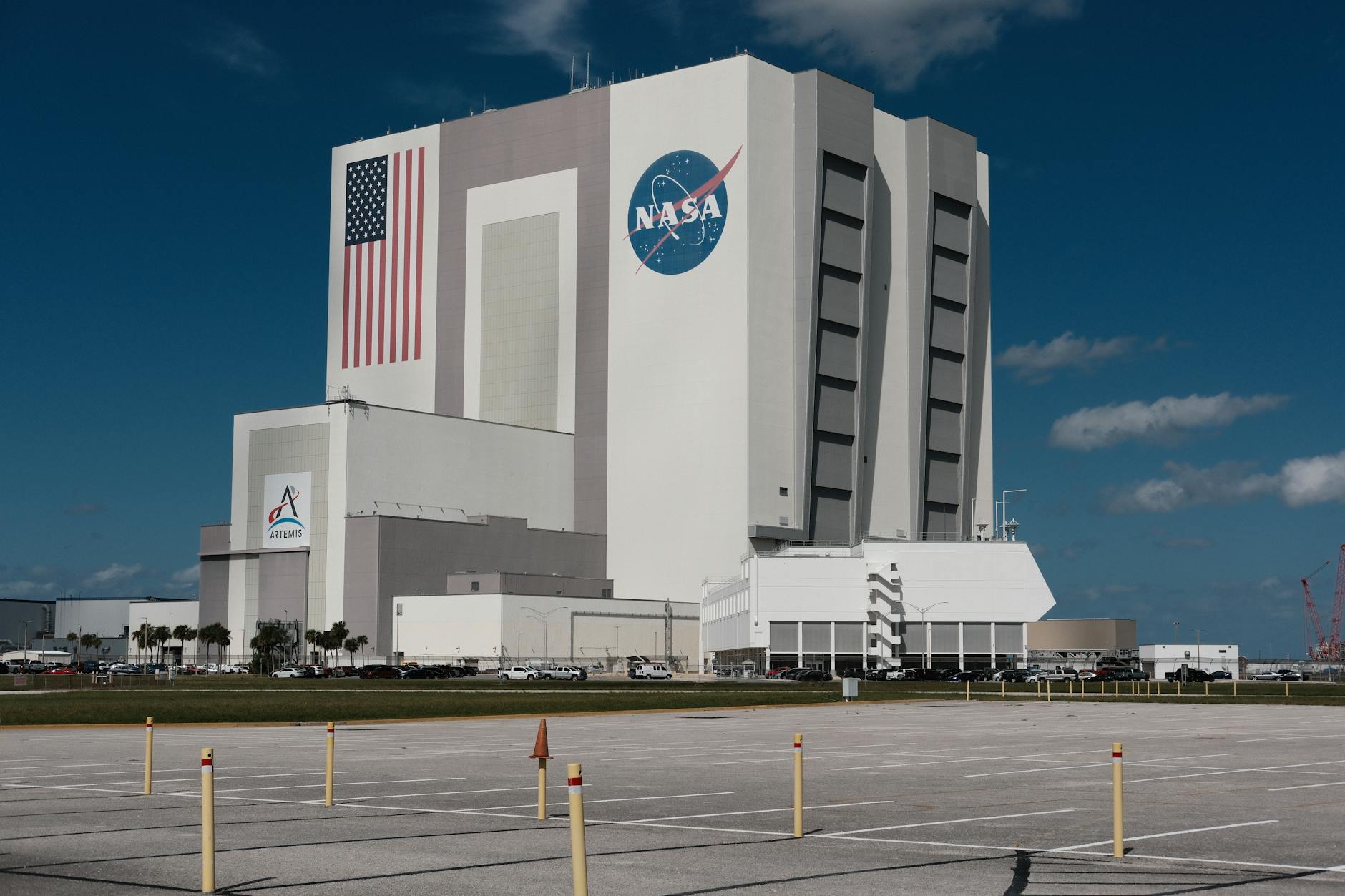
The splashdown of NASA’s Artemis II crew on 10 April marked the culmination of a momentous endeavour: the first manned mission to orbit the Moon in 50 years. Yet, as the astronauts returned to Earth’s embrace, the mission’s scientific journey was far from over.
Commanded by Reid Wiseman with Victor Glover as pilot, and Christina Koch and Canadian astronaut Jeremy Hansen as mission specialists, the crew spent nearly seven hours studying lunar features during Orion’s close approach. Now, the real work begins for scientists back on Earth, who are meticulously combing through the data gathered.
Such data is invaluable. It not only provides insights into the Moon’s surface but also informs the engineering of future missions. The close examination of lunar features helps refine our understanding, crucial for both planned and unforeseen challenges in space exploration.
Unraveling the Moon’s Mysteries
The Artemis II mission has opened new avenues for research. The observations made during the mission are expected to enhance our understanding of the Moon’s geology, potentially offering clues to its ancient past. This, in turn, could inform broader questions about planetary formation and evolution.
Moreover, the mission also tested the capabilities of the Orion spacecraft, paving the way for Artemis III, which aims to land astronauts on the lunar surface. The success of Artemis II is a testament to international collaboration, with significant contributions from NASA and the Canadian Space Agency.
Future Prospects and Challenges
The data collected is not just for scientific curiosity; it is instrumental for the next phases of lunar exploration. Understanding the Moon’s environment will aid in designing equipment that can withstand its harsh conditions, ensuring the safety and success of future missions.
As scientists continue their analyses, the world watches with bated breath. The Artemis programme represents not just a series of missions, but a renewed human commitment to exploring beyond our Earthly confines. Whether it leads to permanent lunar bases or further missions to Mars, the groundwork laid today could shape the future of space exploration.