Astronomers Capture First Image of the Universe's Hidden Web
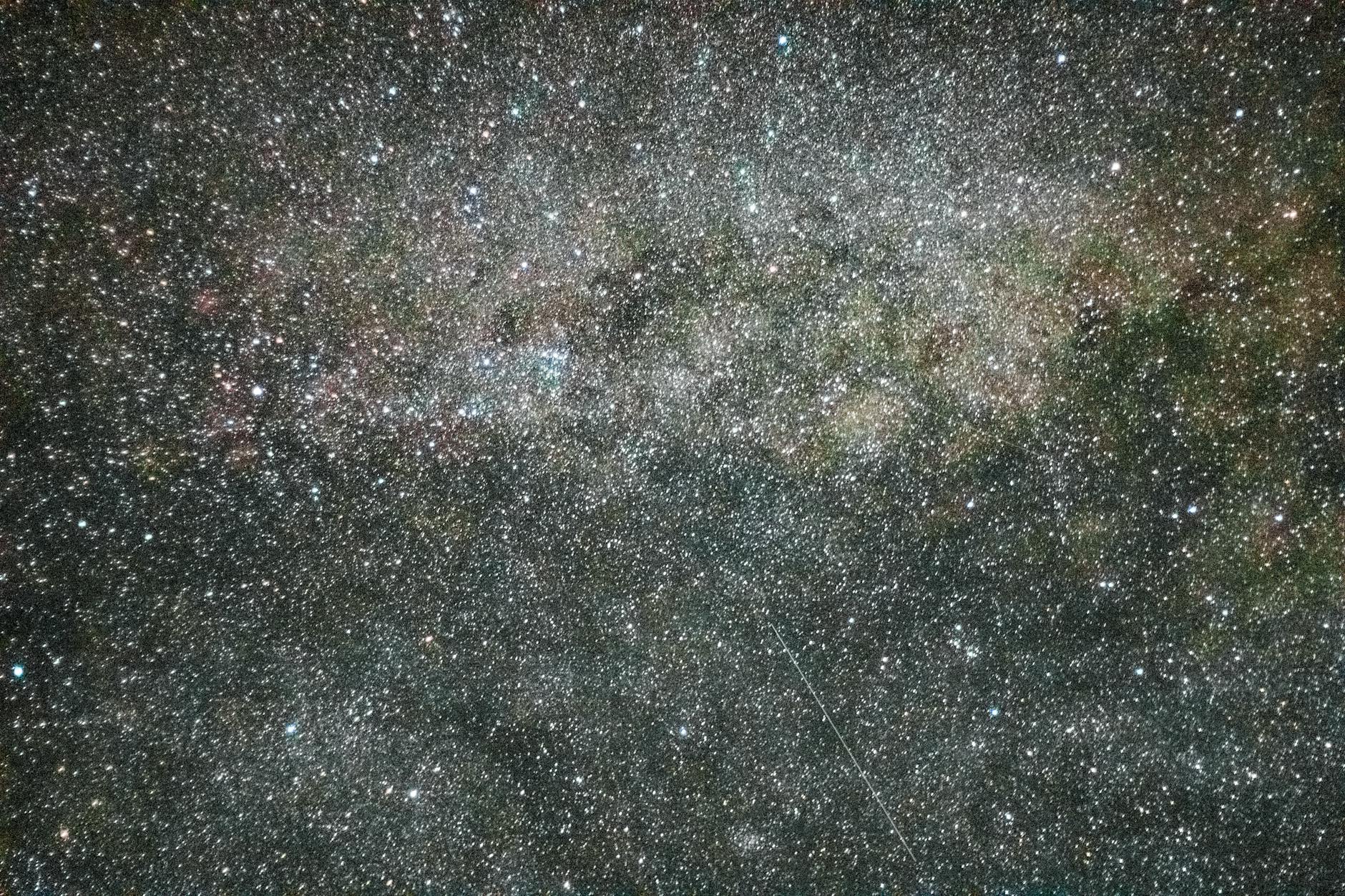
In an extraordinary leap forward for cosmic exploration, astronomers have unveiled the first-ever direct image of the universe's elusive cosmic web. This vast network, often described as the universe's hidden highways, underpins the very structure of the cosmos, linking galaxies through immense filaments of gas and dark matter.
The image, revealing a filament stretching an astonishing 3 million light-years, has been captured by an international team led by Davide Tornotti. This cosmic strand connects two galaxies, each harbouring an active supermassive black hole, as they appeared 12 billion years ago.
The Cosmic Web Unveiled
The cosmic web has long been a theoretical construct, hypothesised to account for the distribution of matter in the universe. While individual galaxies and clusters have been observed, the filaments connecting them remained elusive until now. This breakthrough provides a tangible glimpse into these cosmic structures, confirming their existence and offering new insights into the universe's formation and evolution.
The image was achieved using sophisticated observational techniques and advanced telescopes, capturing light emitted from gas within the filament. This marks a pivotal moment in astrophysics, as scientists can now study these structures in greater detail, potentially uncovering the secrets of dark matter and the forces shaping our universe.
Implications for Future Research
The implications of this discovery are profound. Beyond providing visual confirmation of the cosmic web, it opens new avenues for research into the nature of dark matter and cosmic evolution. By understanding the web, scientists hope to unravel the mysteries of the universe's expansion and the distribution of mass throughout the cosmos.
This achievement not only highlights the collaborative efforts of the global scientific community but also sets the stage for future explorations into the universe's hidden realms. As technology advances, further discoveries await, promising to redefine our understanding of the cosmos.