Astronomers Unveil Unexpected Atmosphere on Distant Kuiper Belt Object
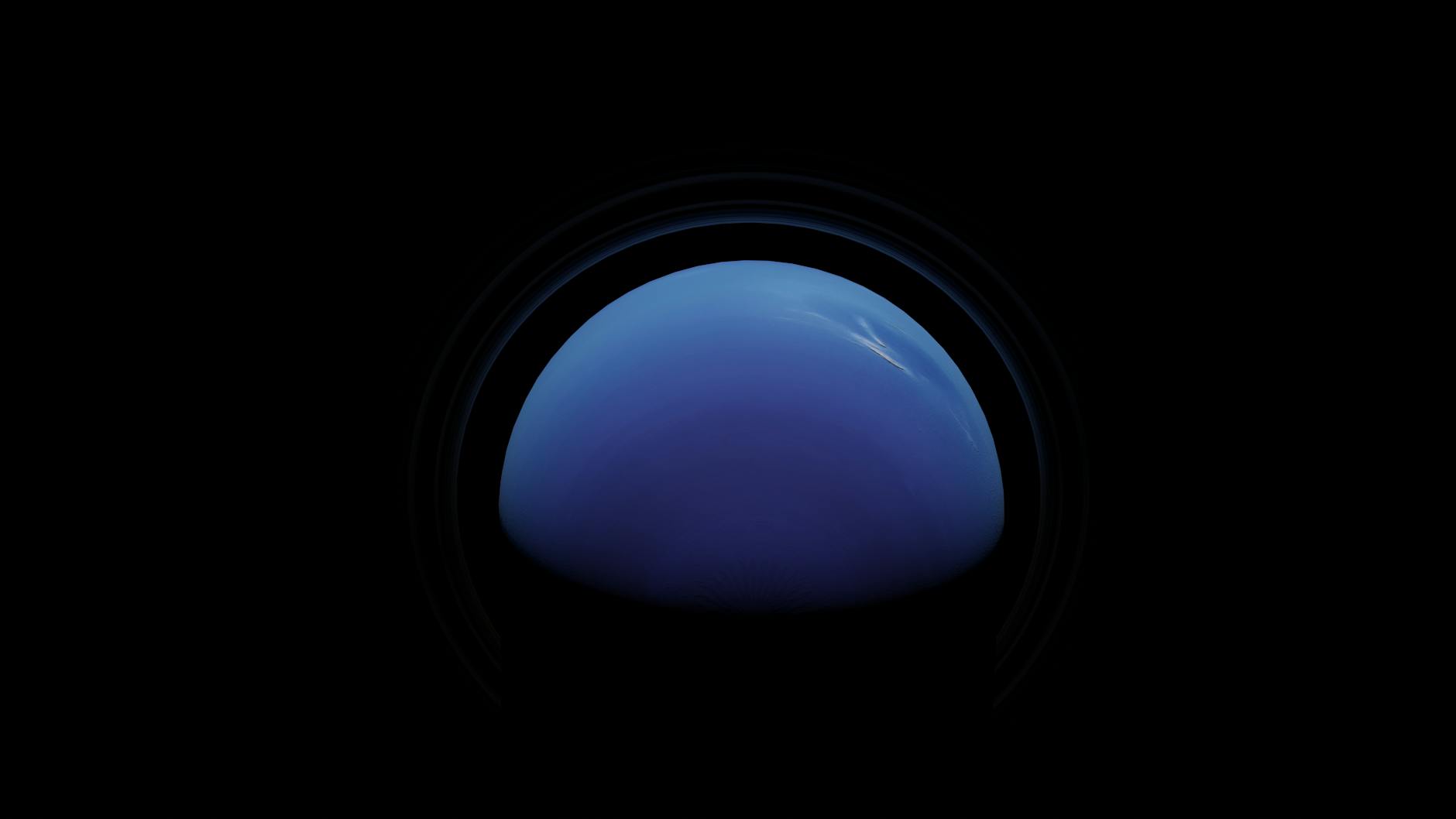
In a revelation that could reshape our understanding of the solar system's frozen frontier, astronomers have detected a tenuous atmosphere around a distant object in the Kuiper Belt. The object in question, (612533) 2002 XV93, is a small trans-Neptunian body measuring roughly 500 kilometres across. Located beyond Pluto, in a realm once thought too barren for such phenomena, this discovery challenges long-held assumptions about the capabilities of icy worlds.
Leading the charge in this celestial detective work is a team of Japanese astronomers, whose observations were facilitated by advanced telescopic technology. Their findings suggest that even diminutive celestial bodies, previously dismissed as incapable of retaining atmospheres due to their size and frigid temperatures, can indeed harbour such layers.
The Kuiper Belt, a vast expanse of icy remnants from the early solar system, has long been a subject of intrigue. Yet, the presence of an atmosphere on a body as small as 2002 XV93 is particularly striking. This revelation not only piques scientific curiosity but also opens up new avenues for research into the dynamics of these remote regions.
For years, scientists have held that only larger celestial bodies, with sufficient gravitational pull, could maintain atmospheric layers. However, this discovery hints at a more complex picture, wherein even modestly sized objects might boast atmospheric features under certain conditions.
While the composition of this atmosphere remains under investigation, the implications are profound. It suggests that the mechanisms governing atmospheric retention in the solar system's outer reaches are far more intricate than previously thought. As scientists continue to probe these distant worlds, the hope is to uncover further insights into the evolutionary history of our cosmic neighbourhood.
Implications for Future Exploration
This finding could have significant implications for future exploratory missions aimed at understanding the outer solar system. If smaller bodies can sustain atmospheres, they might also host other unexpected phenomena, making them valuable targets for study.
As we continue to peer into the depths of space, one thing becomes clear: the universe is full of surprises, and our understanding of it is only as robust as our willingness to explore the unknown.