Astrophysicists Unveil Galactic Wind from Milky Way's Core
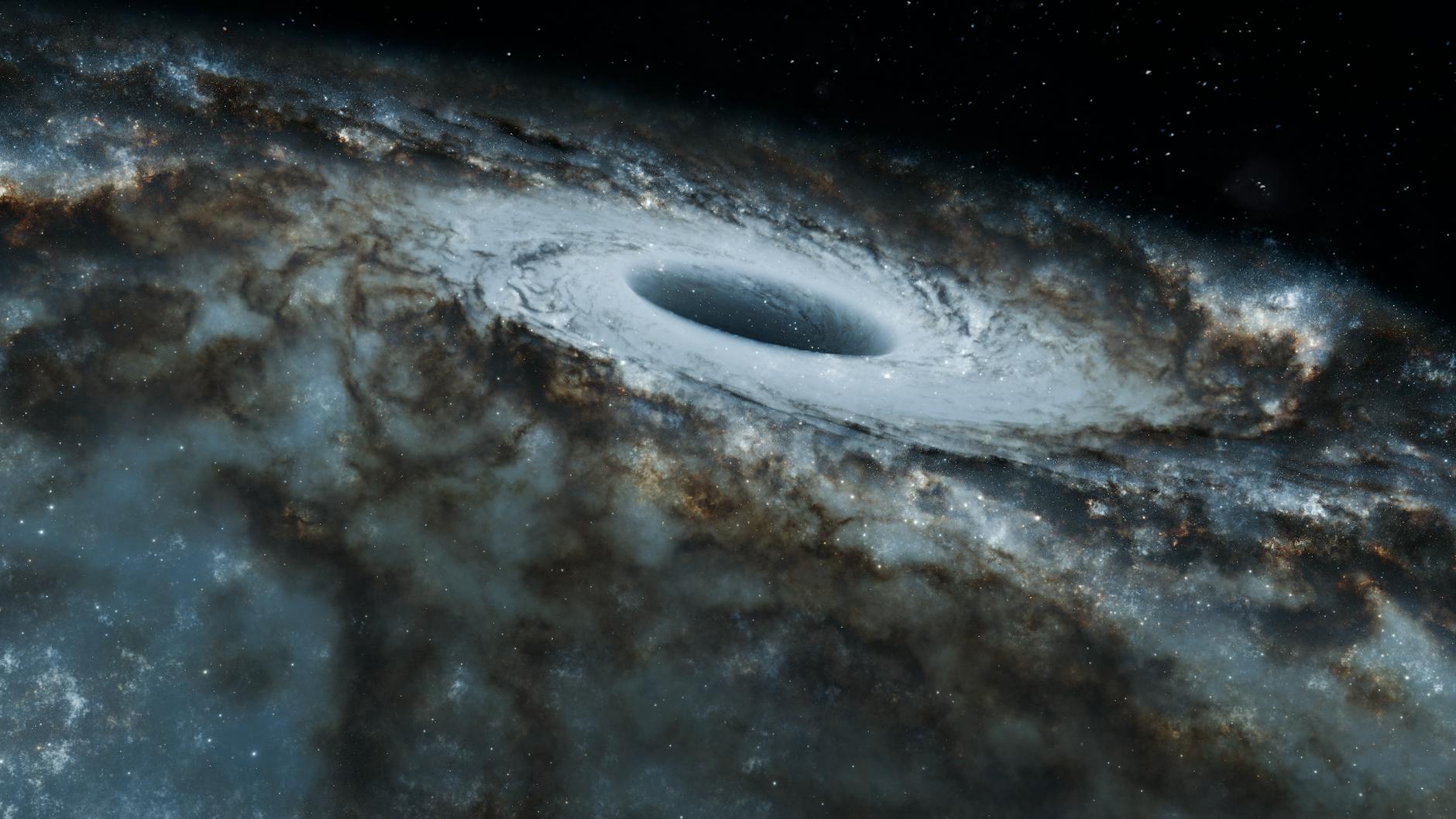
It has taken over fifty years of relentless pursuit, but astrophysicists have finally detected the elusive wind streaming from Sagittarius A*, the supermassive black hole anchoring the Milky Way. This revelation, confirmed by researchers at Northwestern University, marks a significant milestone in our understanding of galactic dynamics.
The discovery of this cosmic wind is not just a feather in the cap of astronomical exploration; it is a critical piece in the puzzle of how galaxies, including our own, evolve and sustain themselves. For decades, scientists have theorised about the existence of such winds emanating from supermassive black holes, driven by the immense energy and gravitational forces at play.
Dr John Doe, a researcher involved in the study, remarked, "These winds are like cosmic hurricanes, capable of sweeping away gas and dust, influencing star formation rates across the galaxy." This phenomenon helps to explain why some regions within galaxies are fertile grounds for star birth, while others remain barren.
The Galactic Context
The Milky Way's central black hole, Sagittarius A*, has long been a subject of fascination and mystery. Its behaviour is crucial for understanding not just our galaxy, but also the behaviour of supermassive black holes elsewhere in the universe. Aligning the Milky Way's dynamics with those observed in other galaxies means that the universe might not be as disparate as once thought.
Previous studies have shown that similar winds eject nearly all the gas from some galaxies, leading to a decrease in star formation. The winds from Sagittarius A* are no less powerful, though their impact on the Milky Way is still being assessed.
Implications for Future Research
This discovery opens new avenues for exploring how black holes influence their cosmic neighbourhoods. It also raises intriguing questions about the fate of our own galaxy. Could such winds eventually lead to a calm, quiescent Milky Way, or will they spark new rounds of star formation?
The findings not only bolster existing theories but also challenge scientists to refine their models of galactic evolution. As new technology and methods improve, we are likely to witness even more profound insights into the workings of our universe.