Bacterial Cellulose: The Future of Plastic Replacement?
In a laboratory that may well hold the future of sustainable materials, scientists have succeeded in growing a 'living' supermaterial using nothing more than bacterial cellulose. This groundbreaking development could potentially signal the decline of traditional plastics, long vilified for their environmental impact.
The innovative method, recently detailed in the journal Nature Communications, involves a scalable approach to engineer this bacterial cellulose into a material that mimics the properties of plastic. Unlike its synthetic counterpart, this material offers the promise of strength, versatility, and most importantly, biodegradability.
A Green Revolution?
As our planet grapples with the overwhelming plastic pollution crisis, the scientific community is increasingly looking towards nature for solutions. Bacterial cellulose, a naturally occurring polymer, is emerging as a frontrunner. It is produced by certain types of bacteria and has been utilised in various industries, from food to cosmetics. However, its potential as a material to replace plastics marks an exciting new chapter.
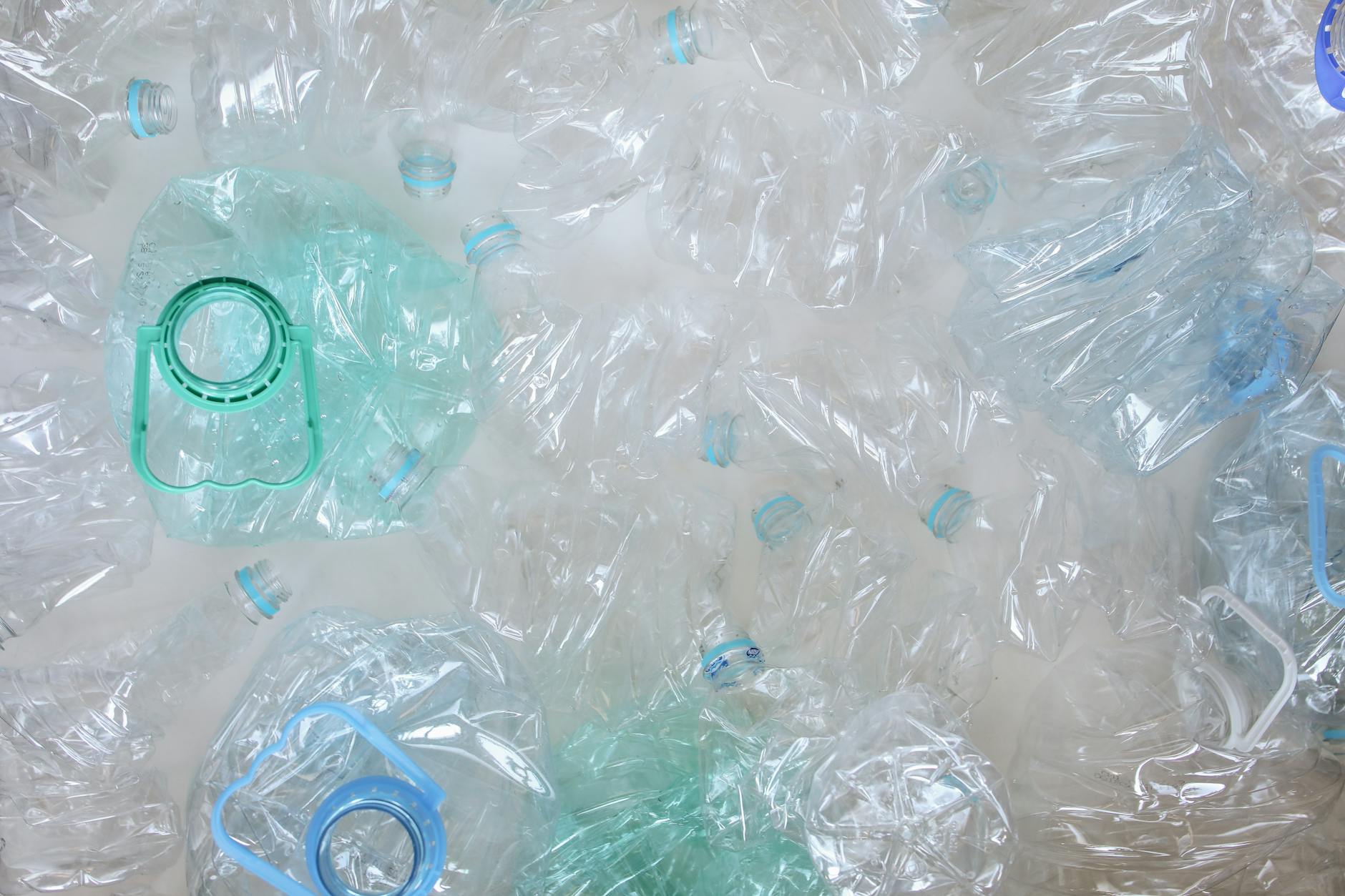
Traditional plastics, derived from fossil fuels, have been a boon and a bane. Their convenience and durability are matched by their propensity to decompose into microplastics and leach harmful chemicals. Bacterial cellulose, on the other hand, poses no such threats. It is not only biodegradable but can be engineered to meet diverse industrial needs, from packaging to construction materials.
Engineering the Future
Dr. Anjali Joshi, one of the lead researchers, described the material as an 'engineered living material', a term that captures its dynamic nature. By reprogramming bacterial cells, the team has created a material that can self-assemble, repair, and adapt, qualities unheard of in traditional manufacturing. This represents a paradigm shift in material science, where the factory is replaced by a petri dish.
Despite the promising findings, the road from laboratory to market is fraught with challenges. Questions remain about the scalability of production, cost implications, and the regulatory hurdles that such a novel material might face. However, with increasing pressure to find sustainable alternatives to plastic, the demand for such innovations is only expected to grow.
As the world seeks to balance the demands of modern life with environmental responsibility, the development of bacterial cellulose supermaterials might just be the beacon of hope we've been waiting for.