Bengaluru Poised for a Scientific Approach to Tree Management
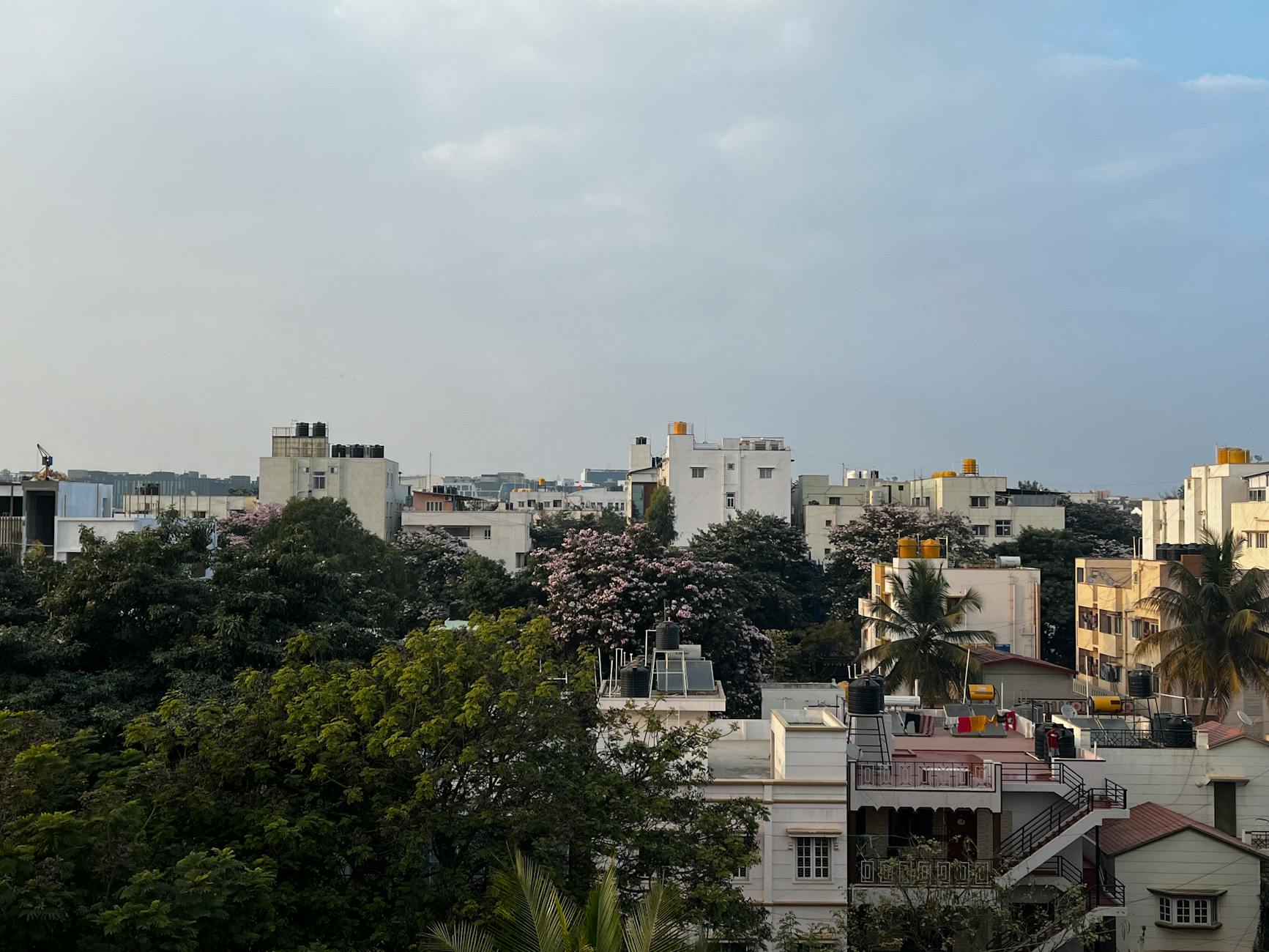
In a city where the cacophony of construction often drowns out the whispers of nature, Bengaluru stands at a crossroads. Renowned for its temperate climate and verdant landscapes, the city faces the dual challenge of accommodating rapid urban growth while preserving its natural heritage. Now, for the first time, Bengaluru may adopt a science-based tree management framework, a move that could redefine how the city balances ecological preservation with development.
The proposed framework is not merely an administrative tool; it is a comprehensive strategy grounded in scientific principles. It seeks to categorise trees based on species, age, health, and ecological value, providing a database that will inform urban planning decisions. The initiative is the brainchild of collaborations between local environmentalists and international experts, aiming to blend global best practices with local needs.
Science Meets Sustainability
Underpinning this framework is the idea that trees are not merely aesthetic additions but vital components of urban ecosystems. They play a crucial role in air purification, temperature regulation, and biodiversity support. Consequently, the framework focuses on maintaining these ecological functions, even as the city expands. By integrating scientific data into tree management, Bengaluru could mitigate some of the adverse effects of urbanisation, such as the urban heat island effect and air pollution.
This initiative comes at a critical time. Bengaluru's population has ballooned over the past few decades, leading to increased pressure on its green spaces. The city's tree cover has been dwindling, with reports indicating a significant loss over recent years. Environmentalists have long advocated for a systematic approach to tree management, and this new framework could be the answer to their calls.
A Model for Other Cities
Should Bengaluru successfully implement this framework, it could serve as a model for other Indian cities grappling with similar challenges. Urban planners across the nation are watching closely, eager to see if science can indeed provide a sustainable solution to the complexities of modern urban expansion. The framework's success could herald a new era where development and nature coexist harmoniously, a paradigm shift in urban management.
While the journey from conception to implementation is fraught with challenges, Bengaluru's commitment to a science-based approach signals hope. It is a testament to the city's recognition of the intrinsic value of trees and the need to protect them amidst the concrete jungle's relentless march. As Bengaluru moves forward, it holds the potential not only to preserve its own green heritage but to inspire a broader movement towards sustainable urban living.