Birds and the Bees: Avian Self-Gratification Unveiled
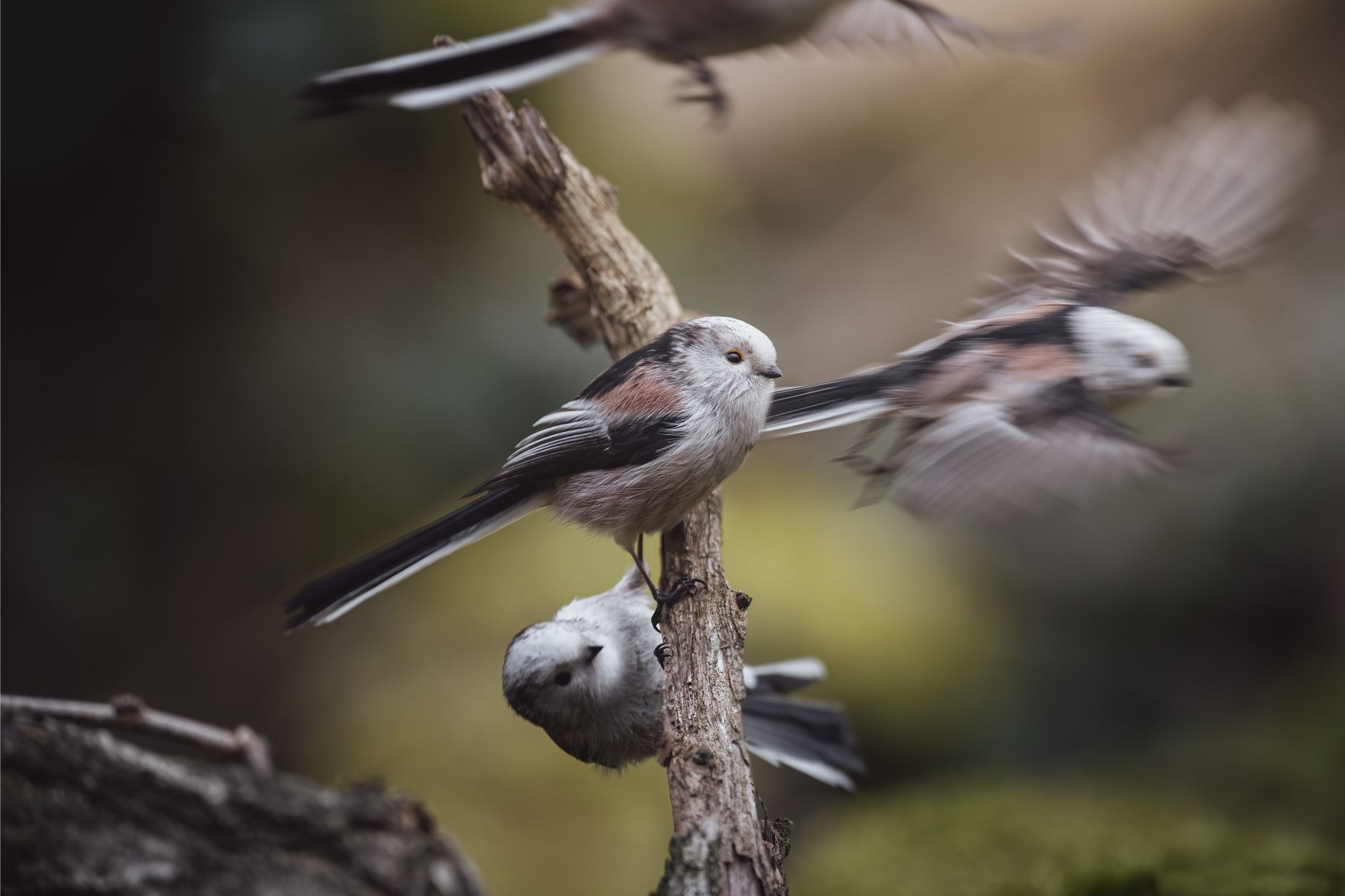
In the wild, nature often defies human assumptions, and recent scientific findings about birds are a testament to this. It appears that birds, much like humans, indulge in self-gratification, a practice previously thought to be the preserve of Homo sapiens. This revelation comes from a study that spanned various species, environments, and settings, both wild and captive.
The study, led by Dr. Emily Heys, challenges the notion that masturbation among captive birds, such as parrots, is solely a manifestation of stress or isolation. Instead, it highlights how this behaviour is widespread and natural, occurring in 55% of male birds and 36% of female birds. The findings suggest that this activity is not only normal but may also contribute to reproductive health.
The Biological Imperative
Biologists have long speculated about the role of masturbation in non-human animals. In birds, it appears to serve several purposes. It may help in the preparation of reproductive organs, enhancing fertility and mating success. Moreover, for those with limited opportunities to copulate, it offers a form of sexual gratification that does not depend on a partner's availability.
Interestingly, the study suggests that such behaviour might also play a role in reducing the risk of sexually transmitted infections by 'cleansing' the reproductive tract. This could be a crucial advantage for birds living in populous colonies where disease transmission could be a significant threat.
Implications for Bird Welfare
This newfound understanding has important implications for how we perceive and manage bird welfare, particularly in captivity. Recognising masturbation as a natural and healthy activity could lead to better habitat designs that allow birds to express this and other innate behaviours freely.
As Dr. Heys notes, "Understanding these behaviours is critical for improving the welfare of birds in captivity. It shows us that what we might perceive as abnormal could be a natural response to their environment."
The insight that birds engage in self-gratification as a natural part of their lives adds a layer of complexity to our understanding of avian biology. It’s a reminder that our feathered friends are more nuanced than we might have previously thought, living lives rich with behaviours that mirror our own in unexpected ways.