Birds' Autoerotic Behaviour: A Natural Phenomenon Revealed
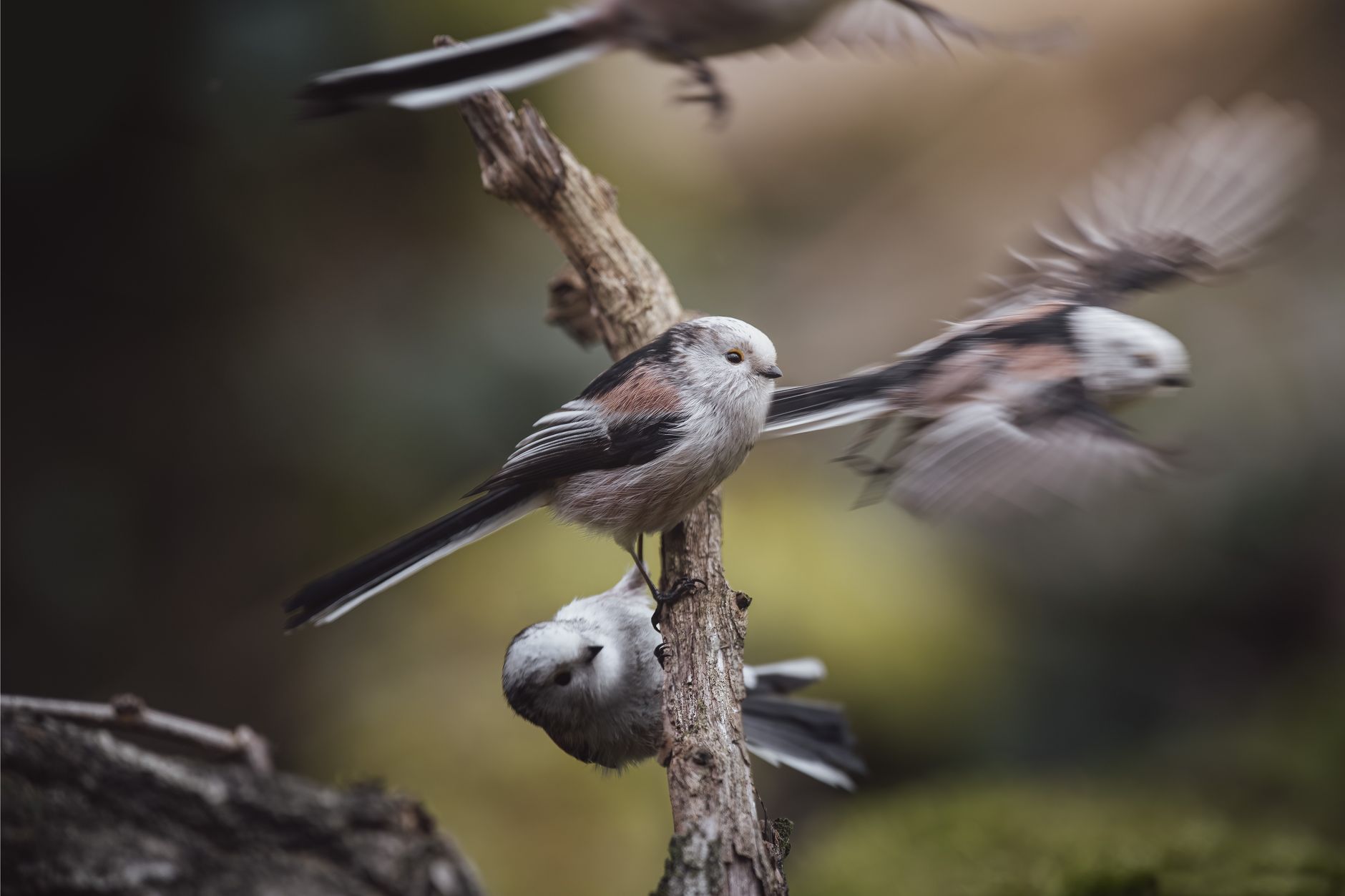
In a revelation that might surprise the casual birdwatcher, scientists have established that birds engage in masturbation, a behaviour hitherto thought confined to mammals or stressed, captive animals. The study, published in the journal Ecology and Evolution, dispels longstanding myths about avian autoerotic activities, asserting that this is a healthy, natural, and widespread phenomenon in the wild.
Dr. Jane Price, who led the research, noted, "Our findings indicate that masturbation is not merely a response to captivity or stress, but rather an inherent behaviour in birds. It is common even in their natural habitats." This assertion is backed by comprehensive observations across diverse species, from parrots to pigeons, challenging the narrative that such activities denote distress.
Natural and Unashamed
The research suggests that masturbation among birds is as natural as preening or singing. It serves multiple purposes, including maintaining reproductive health and possibly even enhancing sexual performance. Far from being a sign of captivity-induced anxiety, these behaviours were noted to occur more frequently among wild birds.
Critically, this study urges a reconsideration of how animal practitioners and pet owners perceive avian sexuality. The misconception that masturbation is harmful or unnatural could lead to misguided attempts to suppress it, potentially causing more harm than good. Dr. Price emphasises the importance of recognising these behaviours as part of the birds' natural repertoire, rather than something to be curbed.
Why It Matters
This research is significant not only for its insights into avian behaviour but also for its broader implications on animal welfare. Understanding that such behaviours are innate rather than induced by stress can alter the way we approach care for captive birds. It calls for a shift in focus from suppression to accommodation, ensuring environments that support the natural inclinations of these creatures.
In the end, the study serves as a reminder that nature's complexity often defies our simplistic assumptions. Birds, it seems, are no less prone to the pleasures of self-indulgence than any other creature. As scientists continue to unravel the mysteries of the natural world, our understanding of what it means to be 'natural' is set to expand in ever more intriguing ways.