Birds Found Engaging in Masturbation: A Natural Behaviour
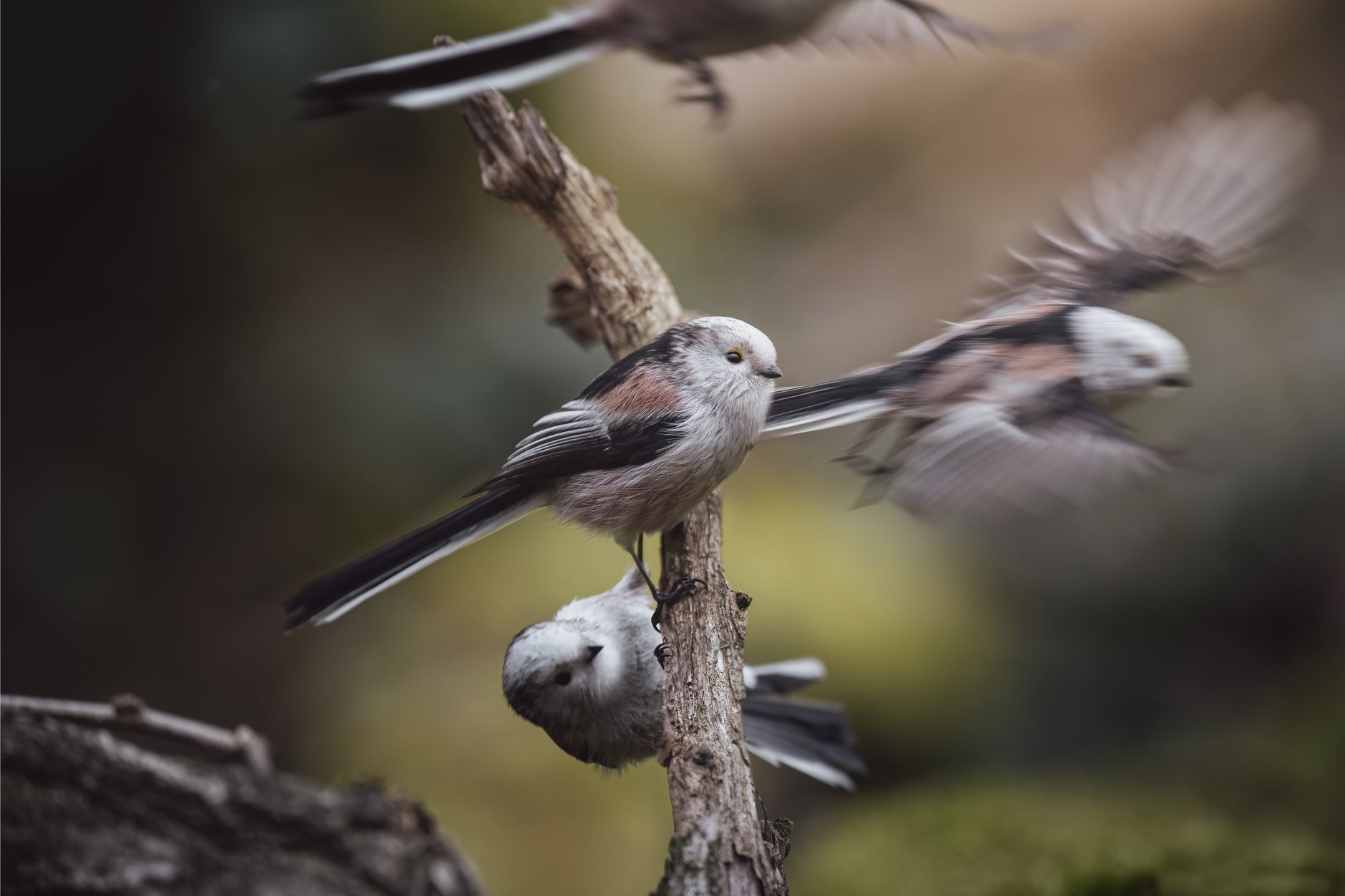
In a revelation that may ruffle a few feathers, scientists have confirmed that birds, much like their mammalian counterparts, engage in masturbation. This behaviour, once thought to be an aberration caused by the stress of captivity, is now recognised as a natural and widespread phenomenon among avian species. The research, published in the journal Ecology and Evolution, offers a fresh perspective on avian sexuality.
Traditionally, animal behaviourists have been quick to attribute such actions to environmental stressors, particularly in zoos and aviaries. However, the study highlights that self-pleasuring is more common in wild birds than previously understood. Experts suggest it serves as a beneficial activity, contributing to physical and psychological well-being.
Challenging Prevailing Assumptions
The study challenges long-held beliefs that masturbation is an unnatural response to captivity. It underscores the importance of recognising these behaviours as part of the birds' repertoire. Dr. Emily Price, lead researcher, notes, "Our findings indicate that these actions are not only natural but likely confer some evolutionary advantages, such as keeping reproductive organs in prime condition."
The research involved detailed observations of various bird species, including parrots, known for their complex social behaviours. The team recorded instances of autoerotic activities across different environments, from dense forests to urban parks, suggesting that location plays little role in the occurrence of this behaviour.
Implications for Avian Care
These insights have significant implications for avian care and welfare practices. By understanding that masturbation is a natural activity, animal caretakers can better assess the health and happiness of birds in their charge. This shift in understanding could lead to improved captive environments that mimic natural habitats more closely, reducing the likelihood of behavioural issues.
While the topic may provoke a chuckle or two, the implications are far-reaching. Recognising masturbation as a natural behaviour could reshape how we understand and interact with our feathered friends, promoting a more informed and compassionate approach to their care.