Bumblebees Match Chimps in Untrained Problem-Solving Feat
Picture a bumblebee, its tiny form buzzing with industrious purpose, not just flitting from flower to flower, but engaging in a feat of ingenuity that might make a chimpanzee pause. In a recent study, bumblebees have astounded scientists by demonstrating remarkable problem-solving skills, akin to those of our primate cousins.
Researchers have discovered that these insects, often underestimated due to their diminutive size, can spontaneously navigate complex challenges. The study, published in the journal Science, showcased bumblebees solving a novel task: rolling a ball beneath an out-of-reach flower to climb and access a reward. This behaviour was observed without any prior training or conditioning, suggesting an innate capability for insight and innovation.
The implications of these findings are profound. Traditionally, cognitive prowess has been associated with larger-brained animals. However, the bumblebee's success challenges this notion, prompting a reevaluation of how intelligence is perceived across species. Experiments like these not only deepen our understanding of insect cognition but also highlight the evolutionary benefits of problem-solving abilities in survival and adaptation.
Expanding the Horizons of Intelligence
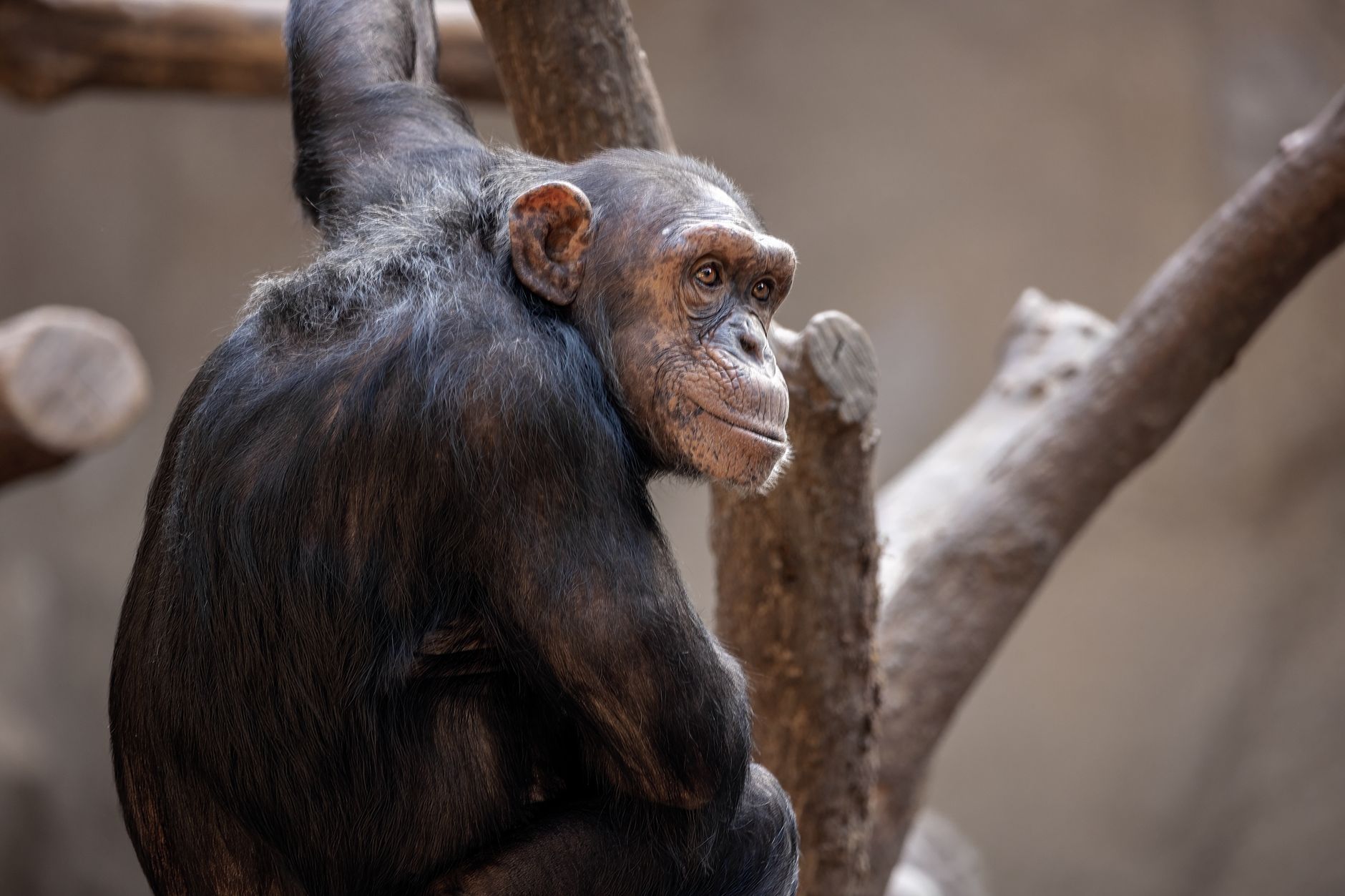
While chimpanzees stacking boxes to reach a banana has long been a celebrated example of animal intelligence, the bumblebee's spontaneous problem-solving introduces a new narrative. It illustrates that cognitive abilities may not solely depend on brain size but rather on the complexity of neural networks and the ability to adapt to environmental challenges.
This study is part of a broader effort to map the cognitive landscapes of smaller-brained creatures. Researchers are already planning follow-up experiments that will allow them to monitor the physiological responses of bees during problem-solving tasks. Such research could provide further insights into the neural substrates of intelligence and learning across different species.
The revelations about bumblebees' intelligence encourage a reconsideration of the ecological roles of insects and their potential contributions to biodiversity. As scientists continue to unlock the secrets of the natural world, these small yet significant discoveries remind us that intelligence is not the exclusive domain of humans or larger animals, but a widespread trait woven into the fabric of life.