Cacti Defy Expectations with Rapid Evolutionary Pace
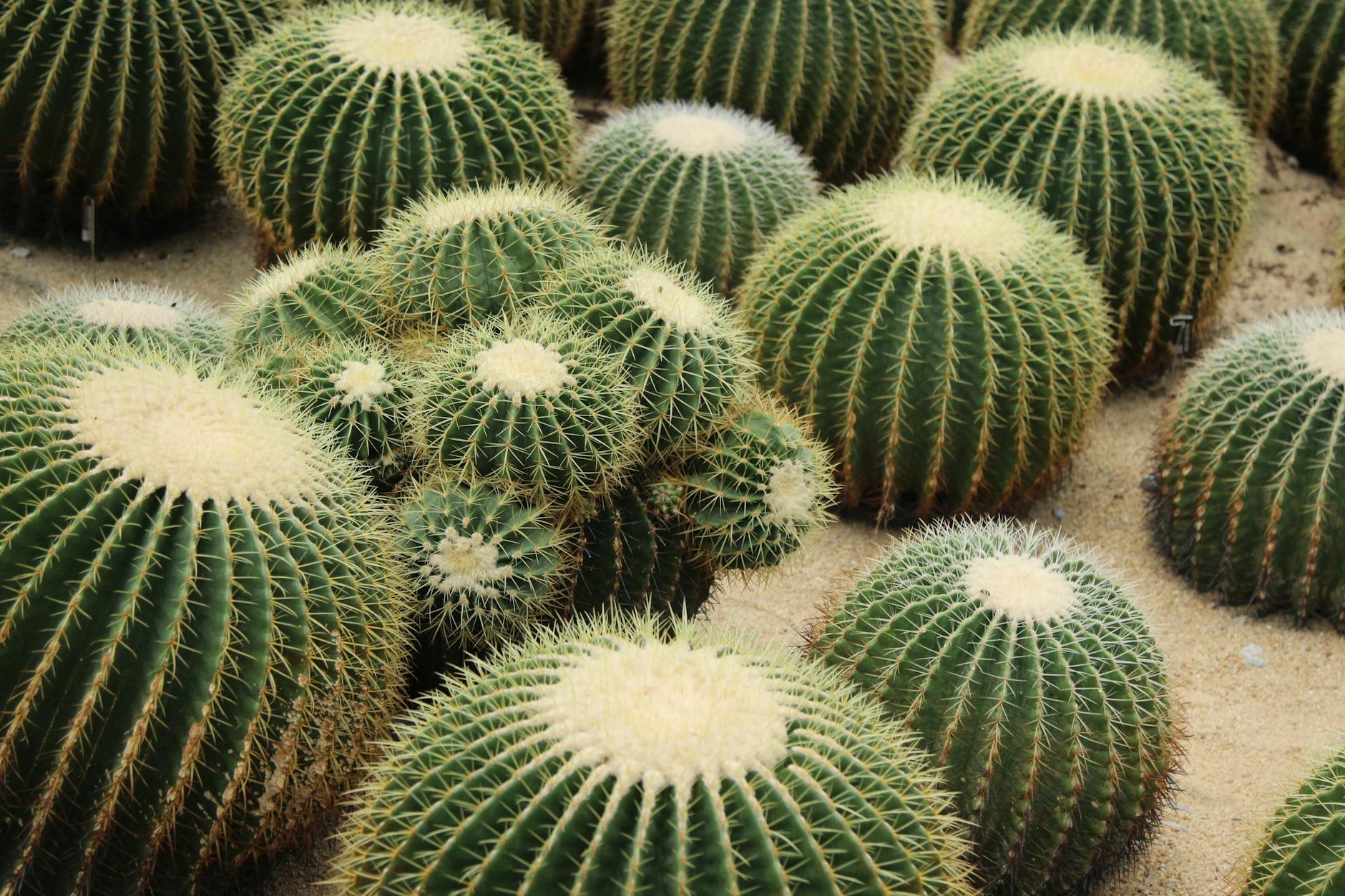
Cacti, those iconic denizens of arid landscapes, are defying their reputation as slow-paced survivors. Recent research conducted by the University of Reading has unveiled a surprising fact: these prickly plants are among the fastest-evolving on the planet. Contrary to their stoic appearance, cacti are adapting and forming new species at a remarkable speed.
At the heart of this rapid evolution lies the unexpected role of their flowers. Unlike many other plants where size or pollinators drive evolutionary change, cacti are transforming through swift alterations in flower shape. Lead author Jamie Thompson elucidates, 'People may think of cacti as tough, slow-growing plants, but our research shows that the cactus family is one of the fastest-evolving plant groups on Earth.'
The study, which involved analysing flower length data from over 750 cactus species, revealed that despite a staggering range in flower size, it is the speed of morphological change that propels their diversification. This discovery underscores the dynamic nature of desert ecosystems, often misperceived as static and unchanging. Instead, deserts emerge as arenas of rapid ecological transformation.
For the casual observer, the cactus might seem an emblem of patience, a plant that grows slowly and demands little. Yet, this new perspective reveals a hidden vigour, a botanical zest for adaptation that mirrors the harsh yet vibrant environments they inhabit. Understanding such rapid evolutionary processes can provide insights into how other desert organisms might also be evolving in response to changing climates.
This research not only shifts our perception of cacti but also broadens our appreciation of the complexity within desert ecosystems. As climate change accelerates, studying such adaptable species could be crucial for conservation strategies, guiding efforts to preserve biodiversity in some of Earth's most challenging habitats.