Cacti: Nature's Rapid Adapters in the Desert
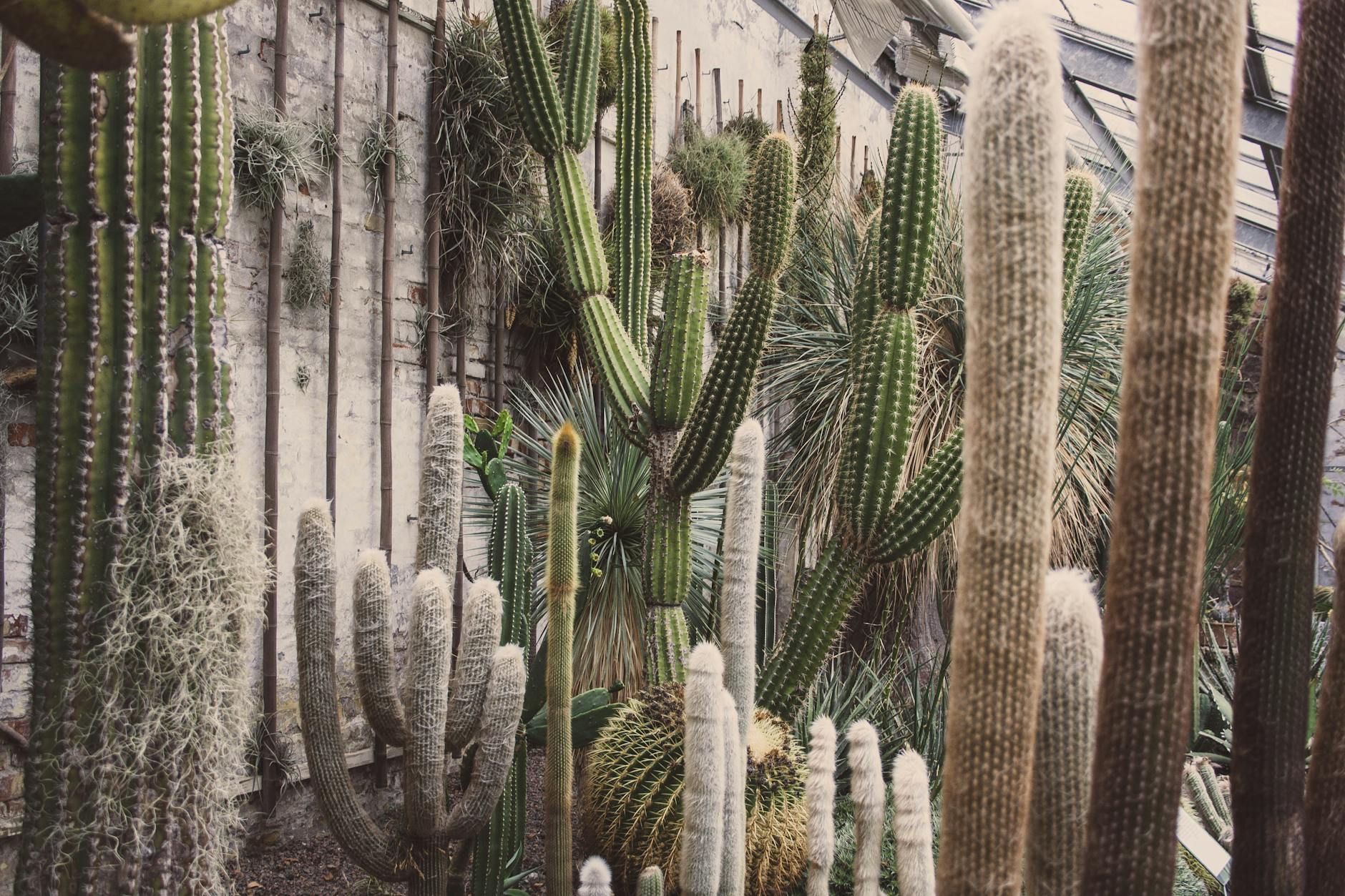
In the unforgiving expanse of the desert, where life clings to existence by the slimmest of margins, cacti have emerged as unlikely pioneers of rapid evolution. This revelation comes as a surprise to many, challenging the stereotype of deserts as static, unchanging landscapes.
Recent studies have demonstrated that cacti are evolving far more swiftly than previously anticipated. Scientists initially believed that the size of a cactus's flowers would be a significant driver of new species creation. However, research has shown that flower size has minimal impact, prompting a re-evaluation of what drives rapid evolutionary changes.
The true catalyst appears to be the desert's ever-changing climate and environmental pressures. These factors have turned deserts into crucibles of adaptation, where only the most resilient species thrive. Cacti, with their remarkable ability to store water and endure extreme conditions, exemplify the power of natural selection in such harsh environments.
Dr. Emily Radcliffe, a researcher specialising in desert flora, remarked, "It's fascinating to see how cacti have adapted so rapidly. They are not just surviving but thriving, demonstrating a level of resilience that is both inspiring and informative." Her research indicates that cacti's evolutionary strategies could offer insights into developing technologies that require robustness, much like artificial intelligence systems that adapt under pressure.
The Hidden Complexity of Desert Ecosystems
While cacti may seem isolated in their arid homes, they represent a complex web of interactions within their ecosystem. Pollinators, soil conditions, and even the occasional rainfall play roles in how these plants adapt and evolve. By examining fossil records and genetic data, scientists have pieced together a picture of cacti's past, revealing a history of diversification and adaptation.
This new understanding not only shifts our perspective of desert ecosystems but also has broader implications. As global climates continue to change, studying how cacti adapt could inform conservation efforts and strategies for preserving biodiversity in other regions.
In a world increasingly concerned with climate change and environmental resilience, cacti stand as a testament to nature's ability to adapt. They remind us that even in the harshest conditions, life finds a way to not only persist but flourish.