Can Quitting Alcohol Undo the Damage? Science Says It's Possible
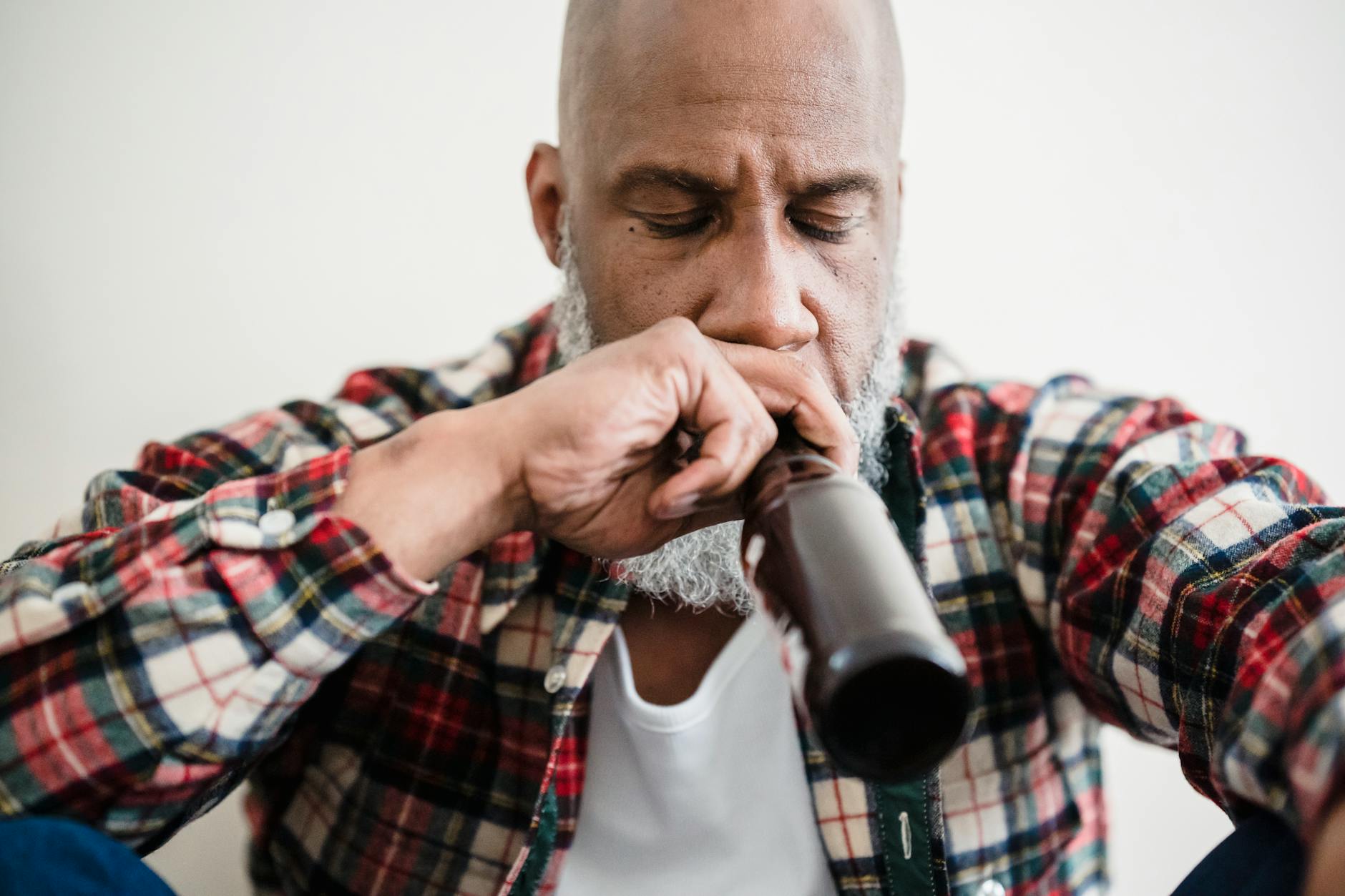
The perils of alcohol consumption are well-documented, but a glimmer of hope emerges from the murk: the damage may not be as irreversible as once feared. Recent scientific research suggests that many of the adverse health effects linked to alcohol can be mitigated or reversed, provided action is taken promptly.
Alcohol, even in modest amounts, is not benign. From the very first sip, it begins to affect the brain and body, contributing to a range of potential health issues. Long-term exposure has been associated with serious conditions such as liver disease, heart problems, and various cancers. Yet, the human body, with its remarkable resilience, offers a window of opportunity to reverse these effects — but only if the decision to cut back or quit drinking is made sooner rather than later.
The Science Behind the Reversal
Recent studies indicate that reducing alcohol intake can halt or even reverse the progression of diseases. For instance, liver function can improve significantly within weeks of abstaining from alcohol, reducing the risk of cirrhosis. Cardiovascular risks, too, can decrease as blood pressure stabilises and inflammation reduces. However, these benefits are contingent on one crucial factor: timing. The sooner the change is made, the better the outcomes.
Experts caution, however, that the body's ability to heal diminishes with time. Chronic damage, once established, may limit the extent of recovery. Therefore, early intervention is key. This underscores the importance of awareness and education on the health implications of alcohol, encouraging individuals to make informed decisions about their drinking habits.
A Timely Call to Action
While the science presents a hopeful outlook, it serves as a clarion call for individuals to reassess their relationship with alcohol. The notion that it is never too late to make a change rings true, but the adage 'sooner rather than later' has never been more apt. As research continues to unfold, the message remains clear: proactive steps taken today can pave the way for a healthier tomorrow.