CBSE Class 10 Science Exam: A Balanced Test with Mixed Reactions
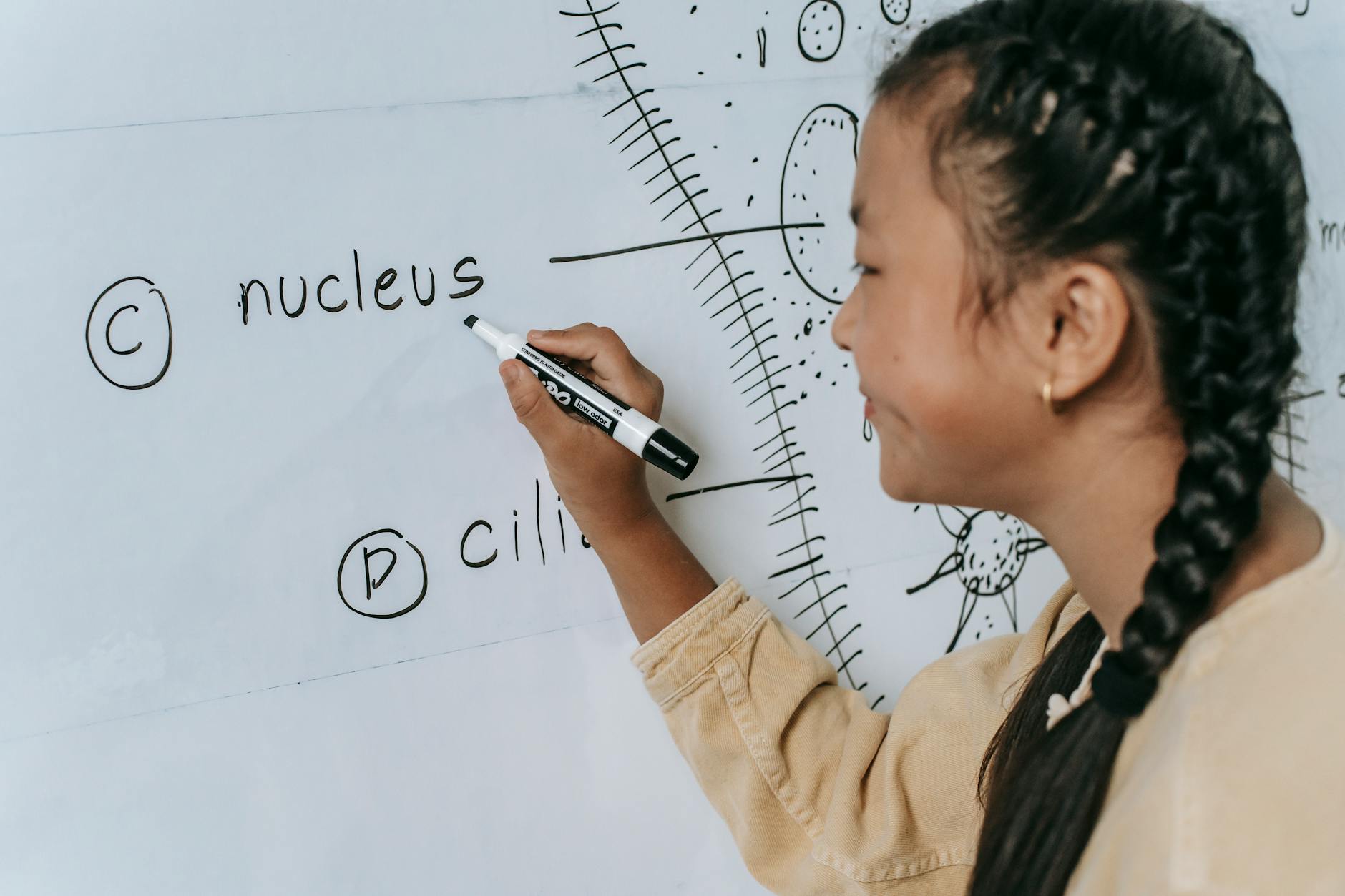
The Central Board of Secondary Education (CBSE) Class 10 Science examination for 2026 has sparked a lively debate among students and educators alike. Conducted from 17 February to 11 March, the exam presented a mixed bag of challenges and opportunities.
While many students described the paper as moderate, the division of difficulty among subjects was palpable. Physics, often a thorn in the side of many young scholars, emerged as the most daunting section. Notably, the questions demanded not just rote learning but a clear understanding of concepts, leaving some students scrambling.
Conversely, the biology section was a breath of fresh air for many. Students reported it as being straightforward, with questions largely reflective of what was covered during the academic year. This came as a relief to those who had feared a more intricate set of queries.
Expert Opinions
Educators have generally lauded the paper's balanced nature. Professor Anjali Mehta, a veteran educator in Delhi, commented, "The exam was well-structured and tested a range of skills. It's not just about memorisation; students needed to apply their knowledge practically." Such perspectives highlight the CBSE's ongoing efforts to encourage critical thinking and problem-solving among pupils.
Implications for Students
The results of this examination, announced on 15 April, are pivotal for students as they transition into higher education. The performance in these exams can greatly influence their choice of stream in Class 11 and beyond. For those who found the physics portion challenging, the time until the next academic year begins offers a crucial period for strengthening their understanding.
In conclusion, the 2026 CBSE Class 10 Science exam has once again underscored the importance of a comprehensive understanding of subjects. As students await further analysis and solutions, the experience serves as a reminder of the evolving nature of educational assessments in India.