Human Voices Near Salmon Streams Alarm Alaska's Wildlife
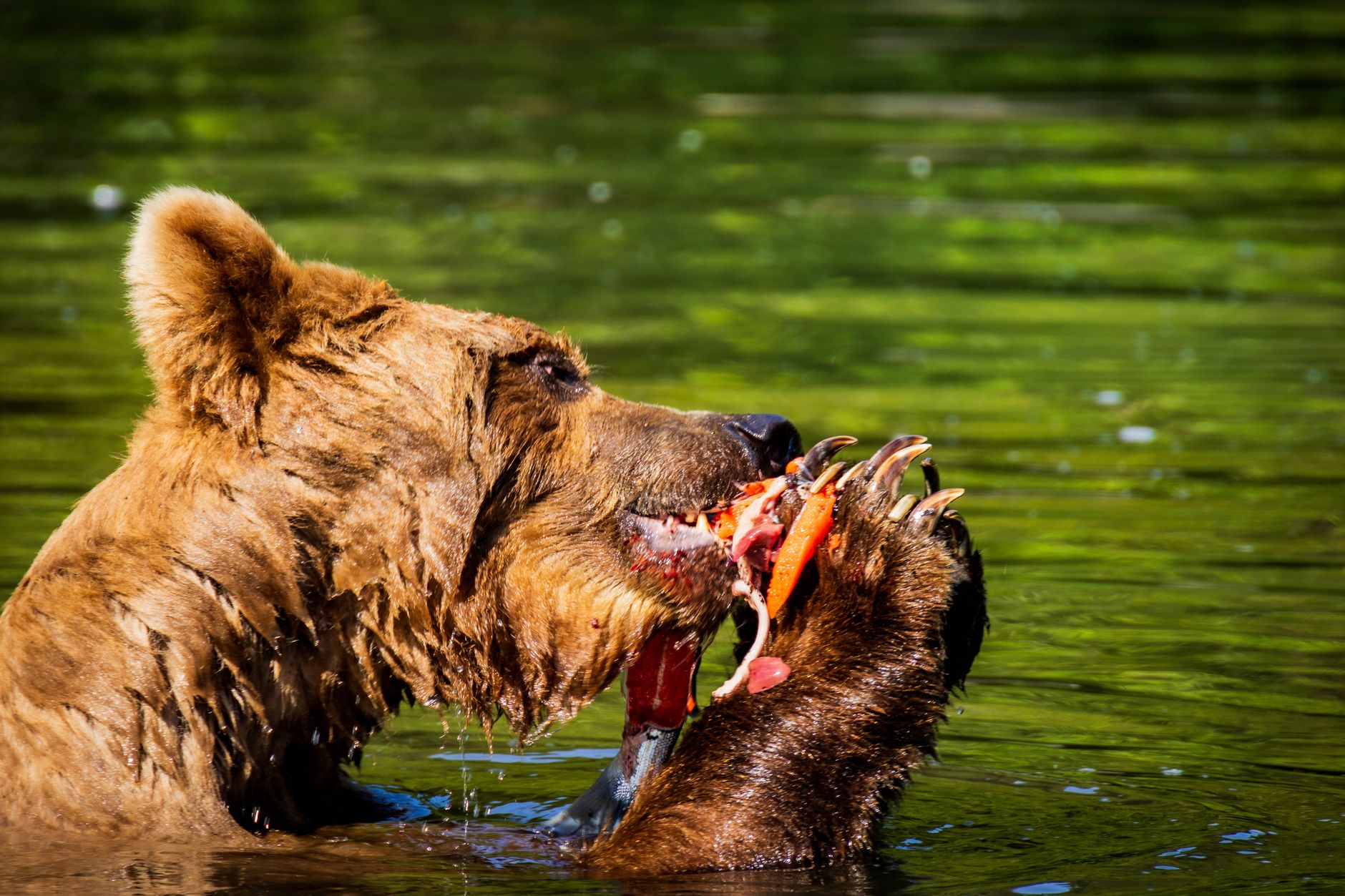
In the hushed wilderness of Alaska, where salmon streams weave through ancient forests, a surprising spectre has emerged. Scientists have discovered that playing recorded human voices in these remote areas causes both bears and eagles to flee, a finding that raises concerns about the subtle ways human presence can ripple through ecosystems.
The study, led by Canadian researchers, employed hidden cameras and audio devices to observe wildlife behaviour near salmon streams. The recorded voices, played at intervals, created an atmosphere akin to human presence, even in absence. The results were striking: grizzly bears, typically bold in their pursuit of salmon, were noticeably absent, and eagles, often seen perched majestically, took to the skies.
Disrupted Nutrient Cycles
This alteration in behaviour has far-reaching implications. Salmon are a vital source of nutrients not only for the predators but also for the forests themselves. As bears and eagles consume the fish, they inadvertently transport marine nutrients into the forest ecosystem. This process enriches the soil and sustains plant life, forming the backbone of a complex ecological network.
The disruption of this nutrient transfer, as bears and eagles retreat from the streams, could lead to a cascade of ecological effects. The forests, deprived of their usual nutrient influx, might see a decline in plant diversity and health. Such changes underscore the delicate balance of these ecosystems, finely tuned over millennia.
The Need for Responsible Management
These findings bring to light the unseen impacts of human activity in natural habitats. While the voices used in the study were artificial, they mimic the effects of increased human encroachment and development. The researchers argue for more responsible land management policies that consider the nuanced interactions between human presence and wildlife.
As Alaska's serene landscapes face growing pressure from tourism and resource extraction, understanding these dynamics becomes crucial. Effective policies could help mitigate disruptions, ensuring that the symbiotic relationships within these ecosystems continue to flourish. In the grand scheme of conservation, such insights remind us of the profound interconnectedness of all living things and the responsibility to tread lightly on nature's stage.