CBSE's Two-Tier System: A Breakthrough for Student Wellbeing?
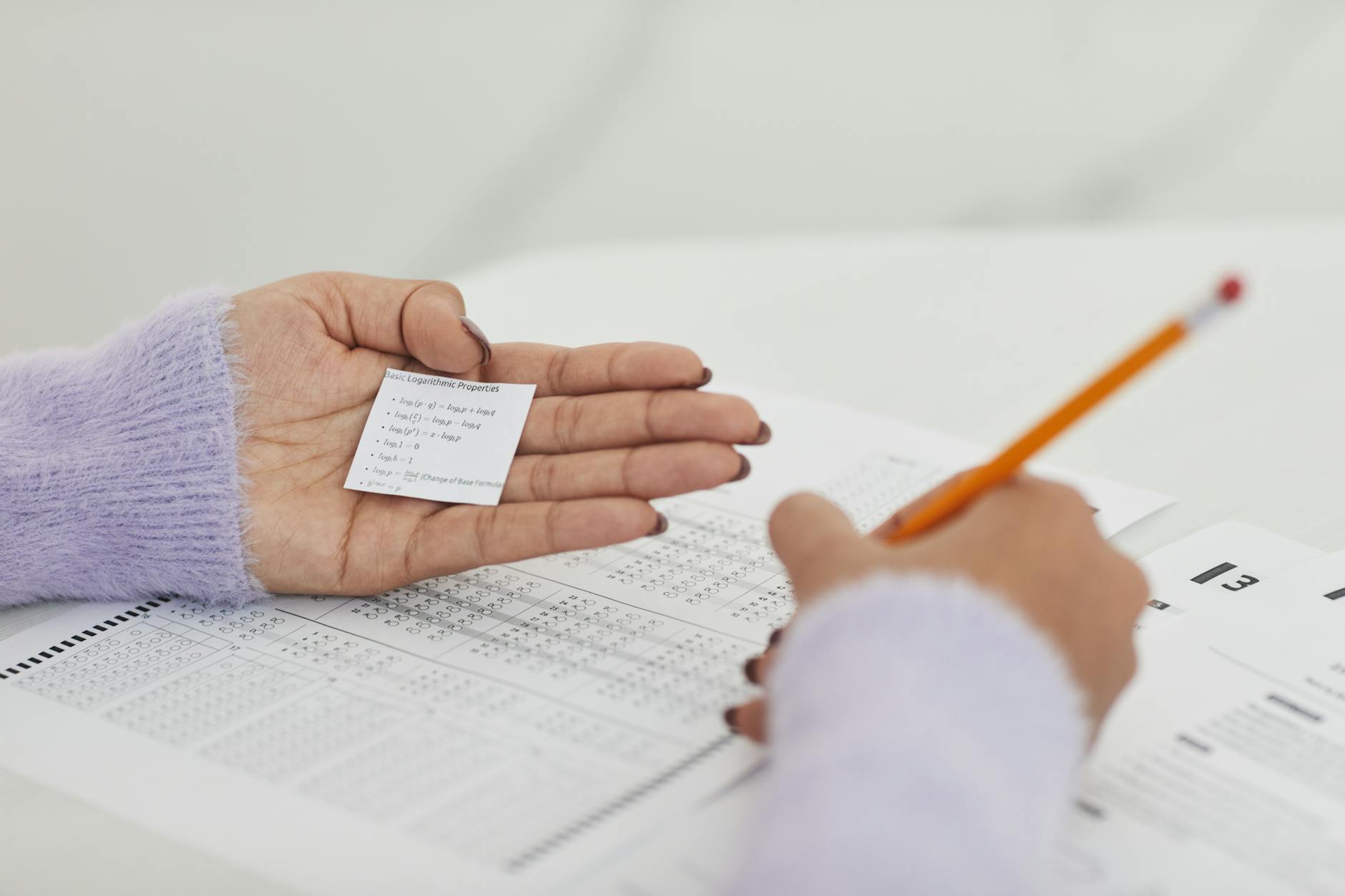
In a move set to redefine secondary education in India, the Central Board of Secondary Education (CBSE) will introduce a two-level exam system for Science and Social Science subjects starting from the 2026-27 academic session. Students will have the option to choose between 'standard' and 'basic' levels, a flexibility that has been available in Mathematics since 2020.
The rationale behind this initiative is simple yet profound: to alleviate the mounting pressures on students navigating the labyrinth of academic expectations. By offering a choice, CBSE aims to tailor the educational experience to the diverse capabilities and aspirations of its students.
Historical Context
The decision to expand this two-tier system follows the success observed in the Mathematics exam, where students have been selecting levels based on their proficiency and future aspirations since 2020. The results have been promising, with a noted decrease in exam-related stress and a more enthusiastic approach to learning.
Educators and psychologists alike have long argued that a one-size-fits-all approach to education often stifles creativity and increases anxiety. The CBSE's new strategy acknowledges this and seeks to provide a more nurturing environment that could potentially transform the educational landscape.
Implications for Students and Society
By diversifying the academic offerings, CBSE hopes to create a more balanced educational ecosystem. Students who may not excel in traditional settings can now pursue their strengths without the fear of being labelled as underachievers.
Moreover, the introduction of choice is expected to ease parental expectations, which often exacerbate student stress. As parents become more involved in the decision-making process regarding their children's education, a collaborative approach to learning is fostered, potentially leading to better academic outcomes.
While the initiative is largely welcomed, it is not without its challenges. Critics argue that the implementation must be meticulously planned to ensure all students, regardless of their socio-economic background, have equal access to resources and guidance.
The coming years will undoubtedly serve as a testing ground for this ambitious educational reform. As the CBSE charts this new course, the eyes of educators and policymakers will be keenly watching, hoping that this innovative approach could serve as a model for educational systems worldwide.