China Harnesses AI to Transform Wastewater into Fertiliser
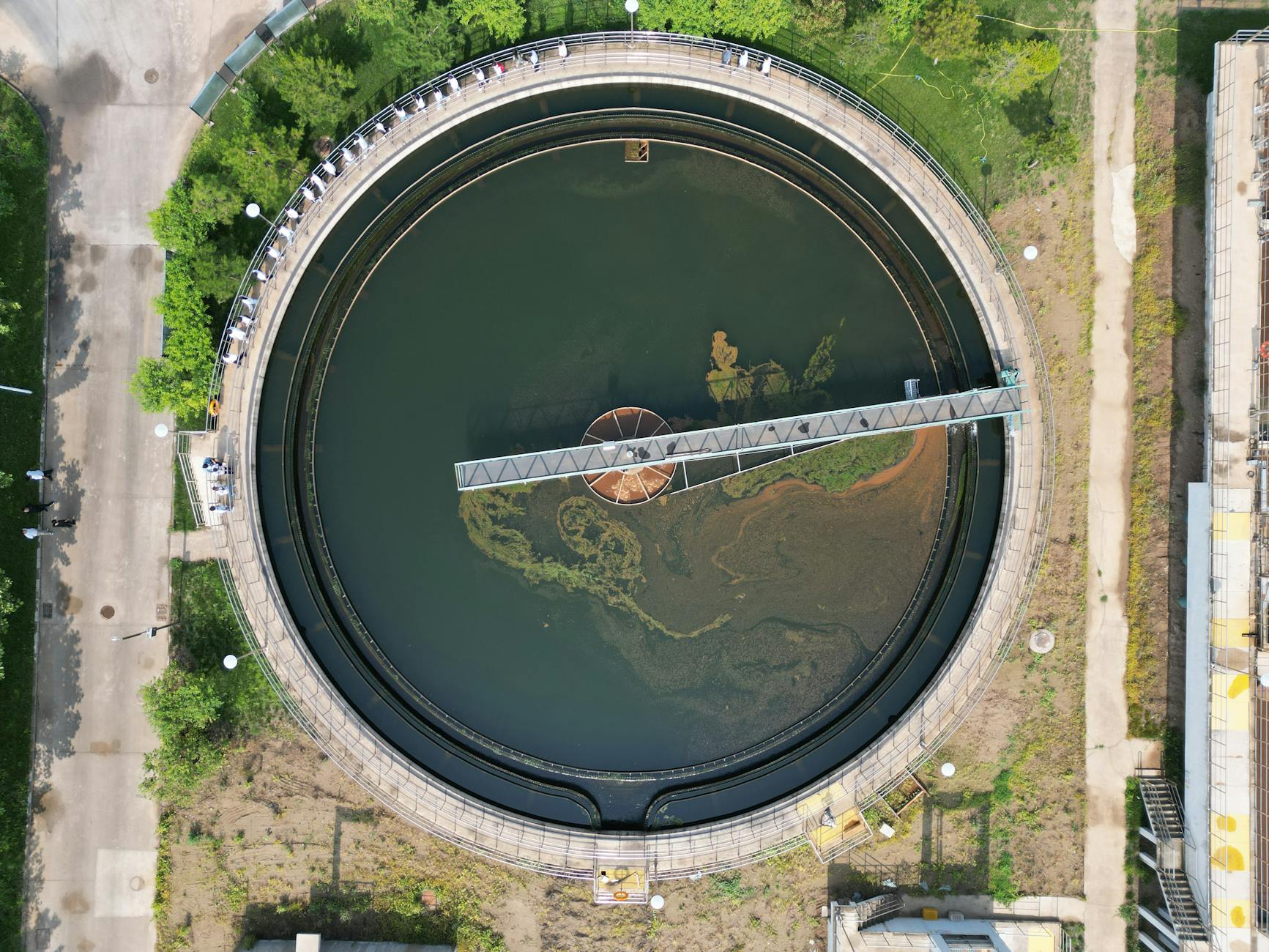
In a world grappling with the dual challenges of environmental degradation and food security, China has stepped forward with an innovative solution. Researchers in the nation have developed a pioneering AI-powered technology that transforms nitrate-laden wastewater into ammonia, a core component in fertilisers.
This technological advancement is not merely a scientific curiosity; it holds the potential to significantly alter the paradigm of resource recovery. By employing a novel catalyst, the team has achieved nearly triple the efficiency of conventional methods. This development is part of a broader effort to address the issue of nitrate pollution, a common by-product of agricultural and industrial activities.
Sustainability at the Forefront
The importance of this breakthrough cannot be overstated. As the global population continues to swell, the demand for food—and consequently fertiliser—rises. Traditional methods of fertiliser production are not only resource-intensive but also contribute to greenhouse gas emissions. China's new approach, leveraging AI, offers a promising alternative that aligns with global sustainability goals.
The AI technology optimises the treatment process by guiding low carbon aeration strategies, enhancing both efficiency and environmental friendliness. By converting waste into a valuable resource, this initiative exemplifies the principles of a circular economy, heralding a sustainable future.
Challenges and Prospects
While the potential is vast, the integration of AI in wastewater treatment is not without its challenges. Issues of data quality, model interpretability, and scalability must be addressed to realise its full potential. Nevertheless, China's commitment to advancing smart city technologies through initiatives like the National Key Research and Development Program underscores a strategic focus on overcoming these obstacles.
This breakthrough is a testament to the power of interdisciplinary research and innovation. By transforming a pollutant into a productive asset, China is setting a precedent for other nations. As the world watches, it becomes increasingly clear that the future of sustainable agriculture may well rest in the hands of such cutting-edge technologies.