China's AI Revolution: Transforming Wastewater into Fertiliser
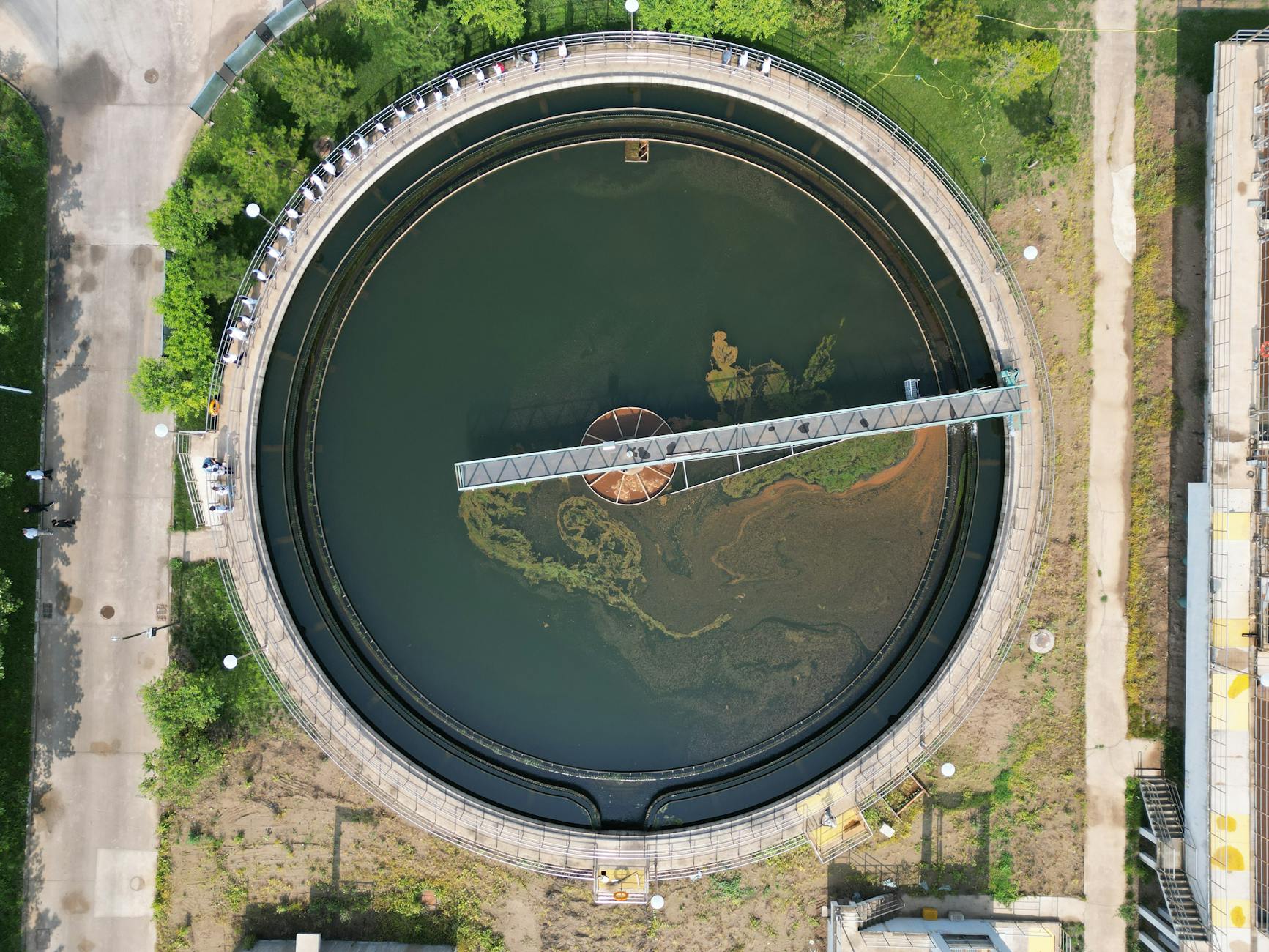
In a striking feat of ingenuity, Chinese researchers have harnessed the power of artificial intelligence to transform wastewater into a valuable agricultural resource. By employing sophisticated dual-atom catalysts, the team has managed to convert sewage water into ammonia, a key component in fertiliser production. This breakthrough arrives at a time when environmental sustainability is paramount, and the demand for innovative solutions to global challenges is ever-growing.
Marrying AI with Chemistry
The technology at the heart of this development uses AI-driven chemistry to optimise the conversion process. Dual-atom catalysts play a crucial role, ensuring that every atom in the reaction is efficiently utilised. This not only maximises the output of ammonia but also minimises waste, making the process highly sustainable.
China's move to integrate AI into wastewater management is particularly significant given the country's burgeoning water consumption. Currently, around 1300 billion litres of water are used annually by AI data centres, a figure projected to more than double by 2030. This new technology could alleviate some of the environmental pressures associated with such high levels of water usage.
Implications for Agriculture and Environment
The conversion of wastewater into fertiliser holds promising implications for agriculture. It offers a sustainable solution to the growing need for fertilisers, potentially reducing reliance on traditional production methods that are often resource-intensive and environmentally damaging.
Moreover, the environmental benefits extend beyond agriculture. By converting pollutants in wastewater into useful products, this technology could help in reducing water pollution and enhancing water quality across regions. As the world grapples with the twin challenges of environmental degradation and resource scarcity, innovations like these provide a glimmer of hope.
While the full-scale implementation of this technology is still on the horizon, its potential impact is undeniable. As China continues to lead in AI advancements, this development marks yet another step towards a more sustainable future, balancing technological progress with ecological responsibility.