China's Tianzhou-10: A New Chapter in Space Science
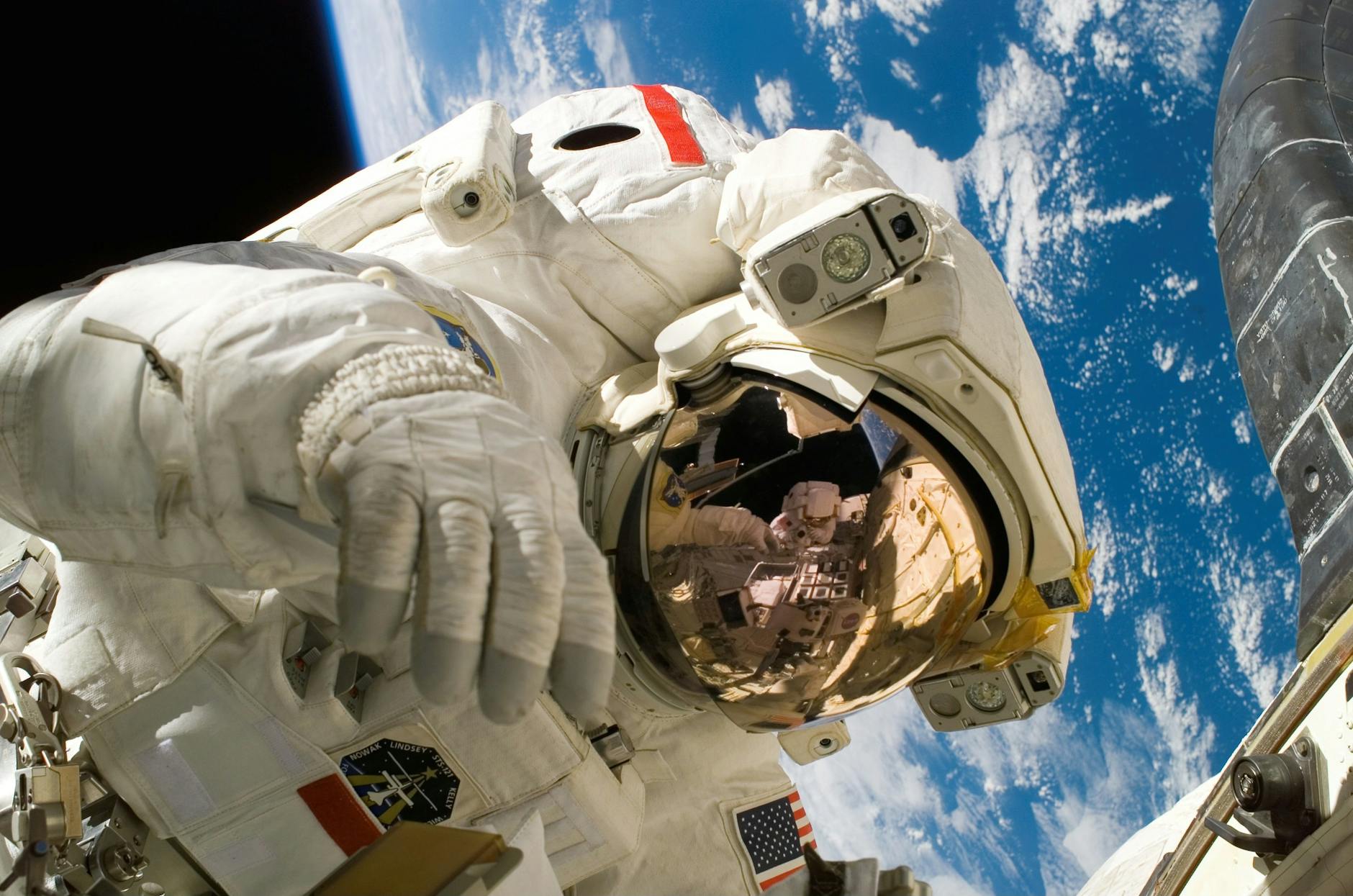
In a striking display of technological prowess, China has launched its Tianzhou-10 cargo spacecraft, setting its sights on the stars with a payload of 41 science experiments. The spacecraft, a testament to China's burgeoning ambitions in space, took off from Hainan, aiming to bolster the operational capabilities of the China Space Station.
The Tianzhou-10 carries a host of scientific endeavours, including core life science experiments focused on understanding the space environment's impact on early embryonic development. This particular exploration could yield insights crucial for long-term human habitation in space, a goal that seems ever more tangible with each successful mission.
Among the technological marvels on board is a flexible mono-crystalline silicon solar cell, a new addition to space technology aimed at enhancing energy efficiency in space missions. This innovation could pave the way for more sustainable energy solutions in space exploration.
The journey of Tianzhou-10 is not just a leap for China but also a step forward for global space science. By ferrying 67 scientific items weighing over 768 kilograms, the spacecraft supports a wide array of experiments, underscoring China's commitment to expanding the frontiers of knowledge beyond Earth's atmosphere.
As the Tianzhou-10 docks with the China Space Station, it will facilitate a new chapter in space science, allowing Chinese scientists to conduct experiments that could inform future missions and technologies. This mission, part of the China Manned Space Programme, signifies China's growing stature in the global space community.
The Strategic Implications
China's space endeavours are not merely scientific but strategic. The country's investment in space technology reflects its aspirations to become a leader in this domain. The successful launch and operation of Tianzhou-10 underscores China's technological advancements and its capability to undertake complex space missions independently.
While the world watches, China's space programme continues to push boundaries, demonstrating both its technological capabilities and its strategic intent. As the Tianzhou-10 mission unfolds, it will likely add to the growing discourse on the global stage regarding space exploration and international collaboration or competition.