China's Tianzhou-10: A New Era of Space Experimentation
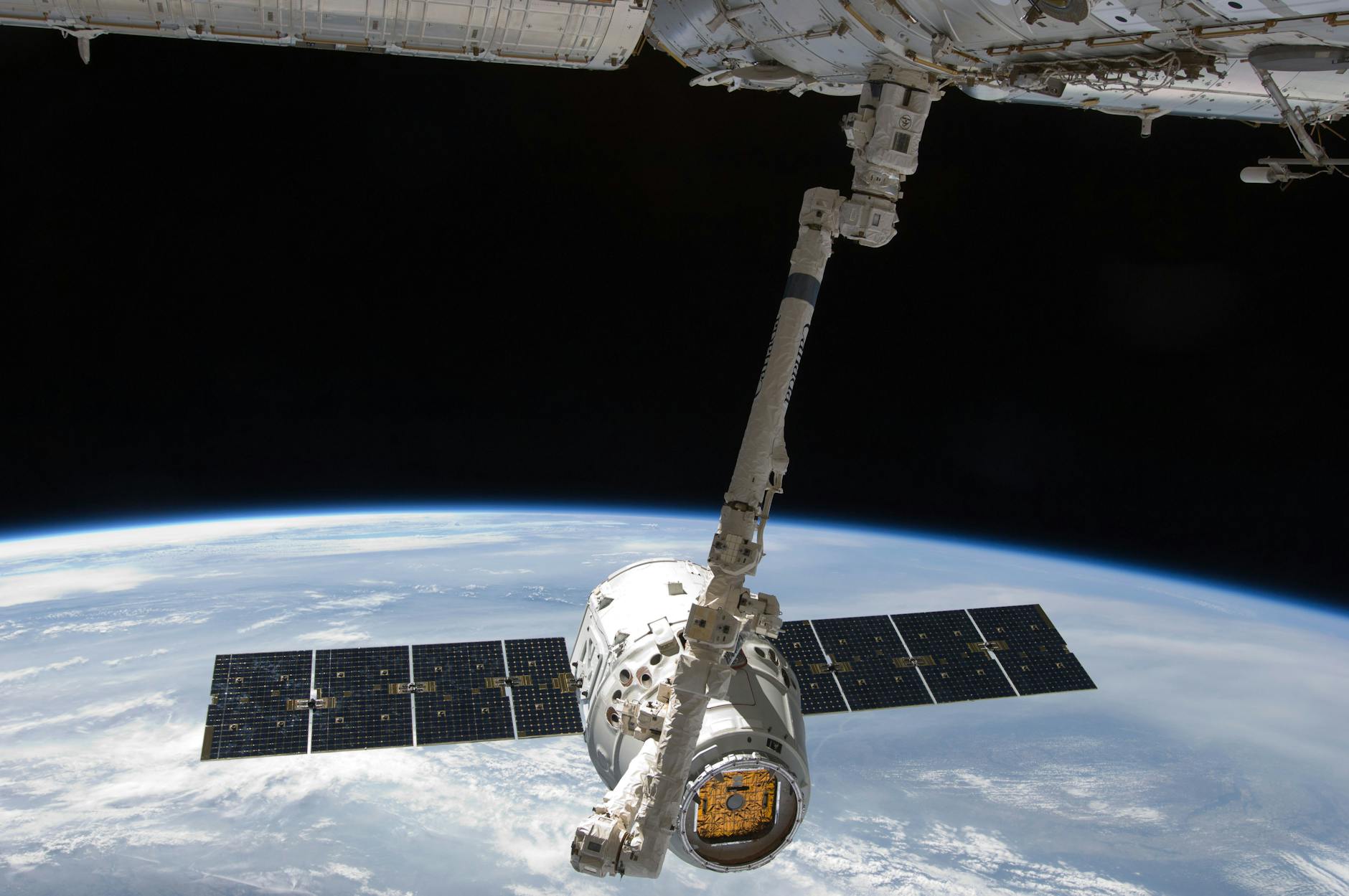
In a remarkable display of ambition, China's Tianzhou-10 has blasted off from Hainan, carrying with it a veritable treasure trove of scientific possibilities. The cargo spacecraft, weighing a hefty 13,500 kilograms, is laden with 41 scientific experiments destined for the China Space Station. This mission marks yet another chapter in China's burgeoning saga of space exploration.
The payload is as diverse as it is innovative. Among the 67 equipment items is a series of life-science studies aimed at understanding the effects of the space environment on early embryonic development. Such experiments are crucial for the future of long-term space habitation, potentially unlocking answers to how humans might one day thrive beyond Earth.
Notably, the Tianzhou-10 also carries samples of a new flexible mono-crystalline silicon solar cell. This technological marvel promises to advance solar efficiency, a boon not only for space stations but also for renewable energy sources back on Earth.
The mission's significance extends beyond the immediate scientific gains. It underscores China's strategic expansion into space research, with each payload meticulously designed for targeted experiments. Experts suggest that this approach may herald a gradual broadening of research subjects, positioning China as a formidable force in the global space race.
As the Tianzhou-10 docks smoothly with the China Space Station, the world watches with bated breath. Each experiment, each piece of equipment, carries the potential to shift our understanding of life and technology in space. It's a testament to human ingenuity and the relentless pursuit of knowledge, setting a precedent for future missions to come.