Chinese Money Plant Leaves Unveil Hidden Mathematical Pattern
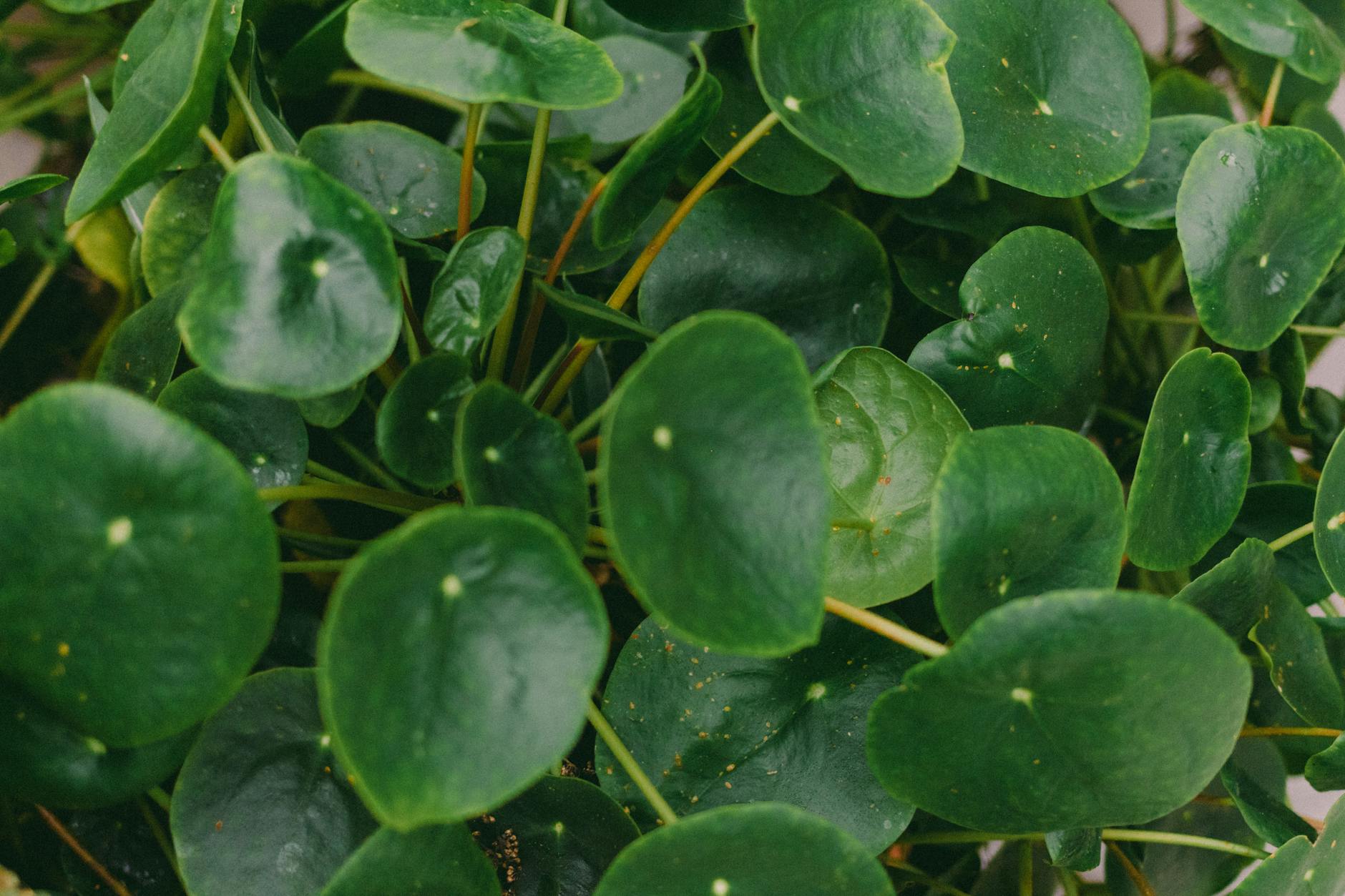
The humble Chinese money plant, popular in homes for its coin-shaped leaves and reputed luck-bringing abilities, has now revealed a secret that could change how scientists view plant biology. Researchers at Cold Spring Harbor Laboratory have uncovered a naturally occurring geometric pattern within its leaves, known as a Voronoi diagram. This discovery places the plant in the company of high-tech domains like city planning and computer science.
The Voronoi diagram, a complex mathematical concept, is typically associated with partitioning space into optimal regions, often used in network design and urban planning. Its appearance in nature, particularly in the leaves of Pilea peperomioides, suggests a level of structural organisation previously unnoticed in botany.
Implications for Plant Science
While the discovery might initially seem a quaint mathematical curiosity, its implications are far-reaching. The pattern's presence indicates a sophisticated algorithm that governs leaf vein formation, potentially offering clues about how plants organise themselves at a cellular level. Such insights could help scientists understand plant growth patterns, disease resistance, and even inform artificial intelligence algorithms inspired by nature's designs.
The Chinese money plant, native to China's Yunnan and Sichuan provinces, has long been a favourite among houseplant enthusiasts for its aesthetic appeal and ease of care. Yet, this discovery adds a new dimension to its charm, highlighting nature's inherent complexity and beauty.
Dr. Emily Zhang, lead researcher on the project, remarked, "This pattern isn't just a mathematical oddity. It offers a glimpse into the intricate processes that shape our natural world. Understanding these processes could revolutionise how we approach plant science."
As researchers continue to study these patterns, the Chinese money plant may hold the key to unlocking more secrets of nature's algorithms, potentially influencing fields as diverse as agriculture, environmental science, and technology.