Cosmic Enigma: Scientists' Discovery Challenges Universe's Secrets
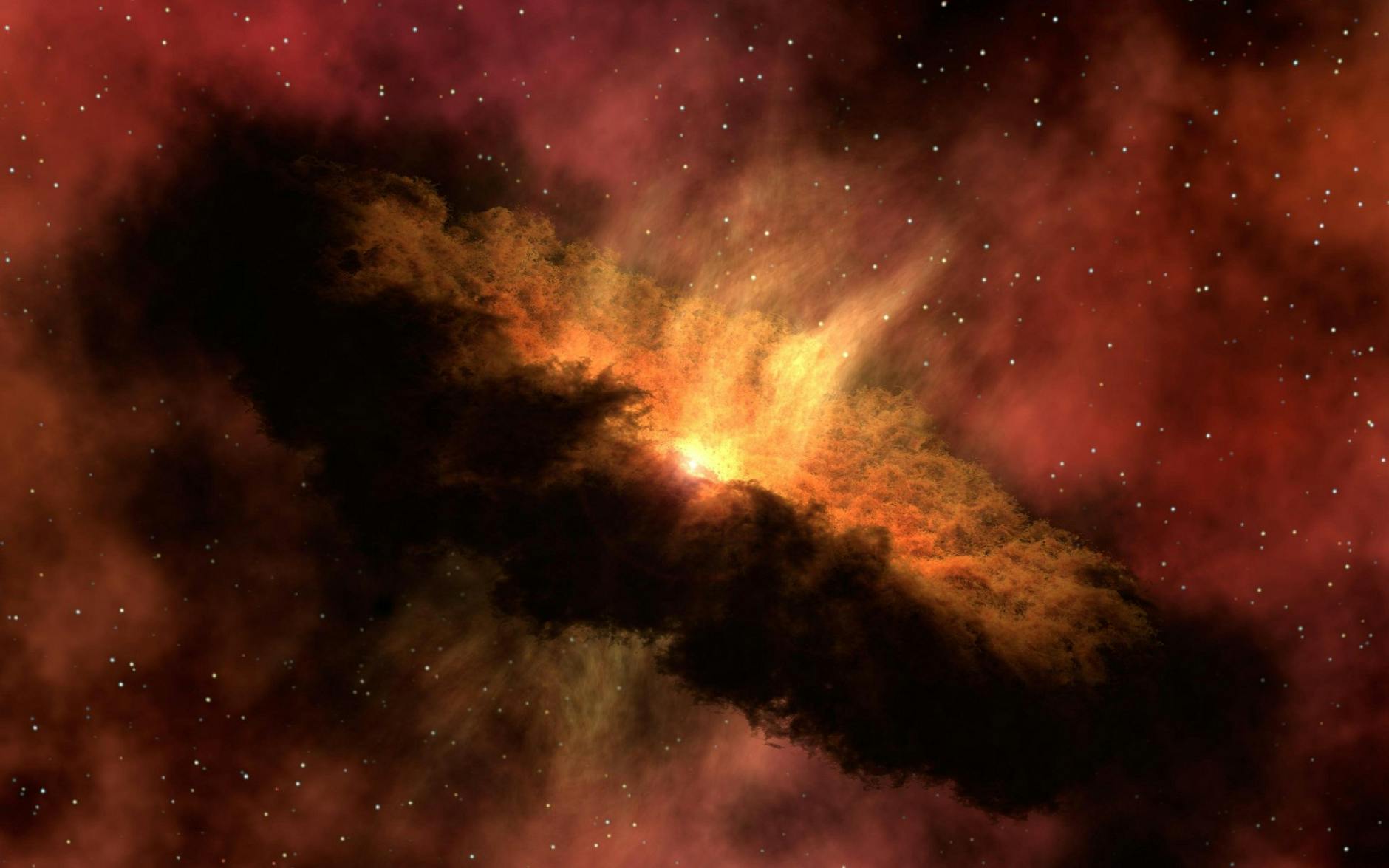
It is not every day that scientists come across something that could potentially rewrite our understanding of the cosmos. Yet, this is precisely the scenario facing researchers in Lancashire, who have identified an astronomical structure of such proportions that it challenges the very foundations of cosmological theory.
Dubbed the 'Big Ring', this gargantuan structure spans an unimaginable 1.3 billion light-years in diameter, with a circumference reaching around four billion light-years. Its discovery raises fundamental questions about the universe's architecture and whether our current models adequately account for such immense formations.
Meanwhile, across the globe, a team of Korean physicists is making strides in nuclear fusion, hinting at a potential revolution in our understanding of the forces that hold the universe together. Their work suggests that life as we know it might depend on a fragile equilibrium hidden within the universe's laws, a notion that could have profound implications for physics and beyond.
These discoveries, though emerging from different fields, converge on a striking theme: the universe is far more complex and interconnected than previously imagined. The 'Big Ring' not only defies existing theories but also beckons a new era of scientific inquiry and collaboration. As scholars race to comprehend these findings, the world watches with bated breath, aware that the answers might redefine humanity's place in the cosmos.
In the grand theatre of science, where discovery and understanding are perpetually in motion, these revelations remind us that even the most established facts are merely stepping stones in an ever-evolving journey towards knowledge.