Could a Dying Star Spawn a New Universe?
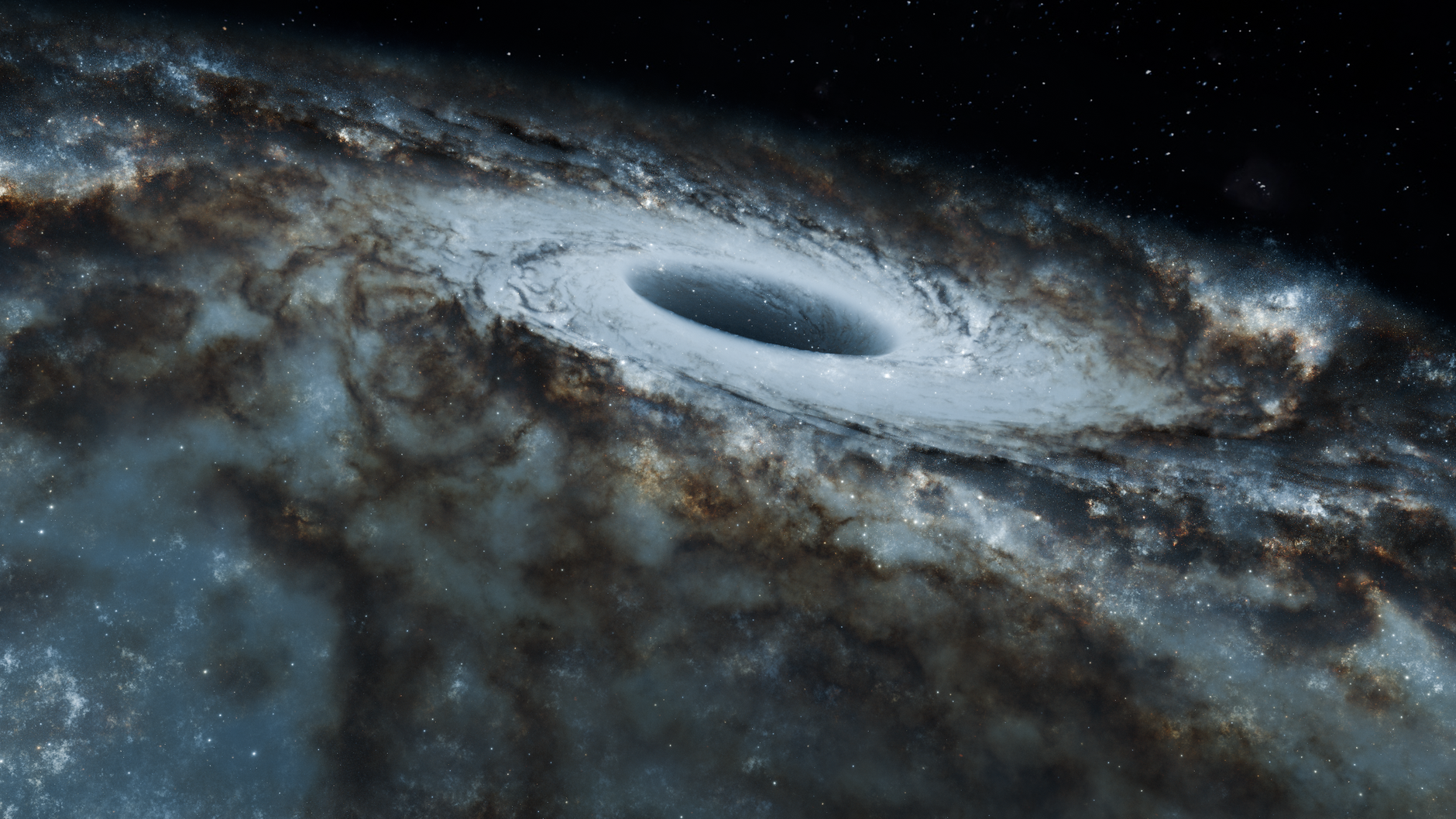
As stars reach the end of their lifespans, the cosmic script typically dictates a dramatic finale: a spectacular supernova followed by the inevitable collapse into a black hole. However, recent research proposes an alternative narrative where a star’s demise could be the genesis of something even more extraordinary — a new universe.
At the heart of this hypothesis lies the concept of a 'gravastar'. Unlike a black hole, which is defined by its singularity and event horizon, a gravastar is a theoretical construct that straddles the line between being a collapsing star and an expanding universe. This idea, while not entirely new, has recently gained traction with fresh calculations suggesting that such an object could indeed form.
The Role of Dark Energy
The key to this cosmic balancing act is dark energy, the mysterious force driving the accelerated expansion of the cosmos. In the dying throes of a massive star, dark energy could counteract gravitational collapse, preventing the formation of a singularity and instead birthing a 'baby universe'. This miniature universe, expanding within the confines of the dying star, might stymie the collapse altogether, creating a stable gravastar.
Such a scenario challenges long-standing assumptions about black holes and their inevitability in the lifecycle of massive stars. Not only does it open the door to new theoretical explorations, but it also provides a tantalising glimpse into the possibilities of alternate universes and the fabric of spacetime itself.
Implications for Modern Physics
The implications are vast. If gravastars can exist, they might offer answers to some of the most perplexing questions in modern physics. How does spacetime behave under extreme conditions? What happens to information consumed by a black hole? And could our universe itself be the result of a similar cosmic event?
While the theory remains speculative, it underscores the dynamic nature of scientific inquiry. As our tools and calculations become more sophisticated, so too does our understanding of the universe. Whether gravastars are a reality or remain a fascinating theoretical construct, they remind us of the boundless possibilities that lie within the cosmos.