Courts Tackle Environmental Challenges: Major Orders Issued
The corridors of India’s judiciary reverberated with a strong message on 12 May 2026, as courts across the country issued a series of consequential orders aimed at tackling pressing environmental issues. These rulings, which collectively address some of the most contentious ecological concerns, mark a pivotal moment in environmental jurisprudence.
In Assam, the National Green Tribunal (NGT) turned its lens on Oil India’s extended reach drilling operations within the ecologically sensitive Dibru Saikhowa National Park. Environmentalists have long warned about the potential repercussions of such activities on the park’s fragile ecosystem. The tribunal’s proceedings underscored the need for stringent environmental safeguards, directing Oil India to adhere to a revised environmental management plan that mitigates potential damage.
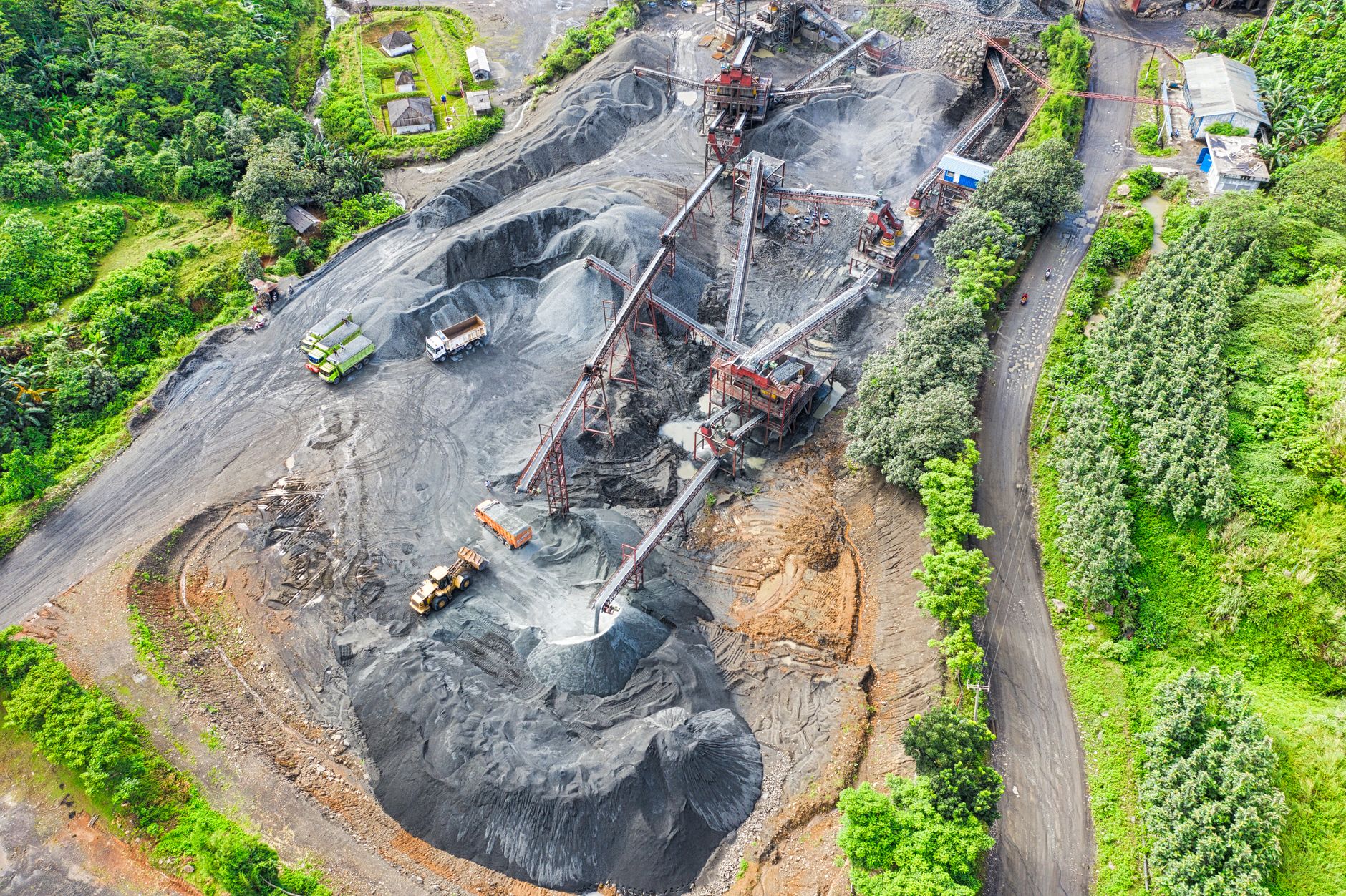
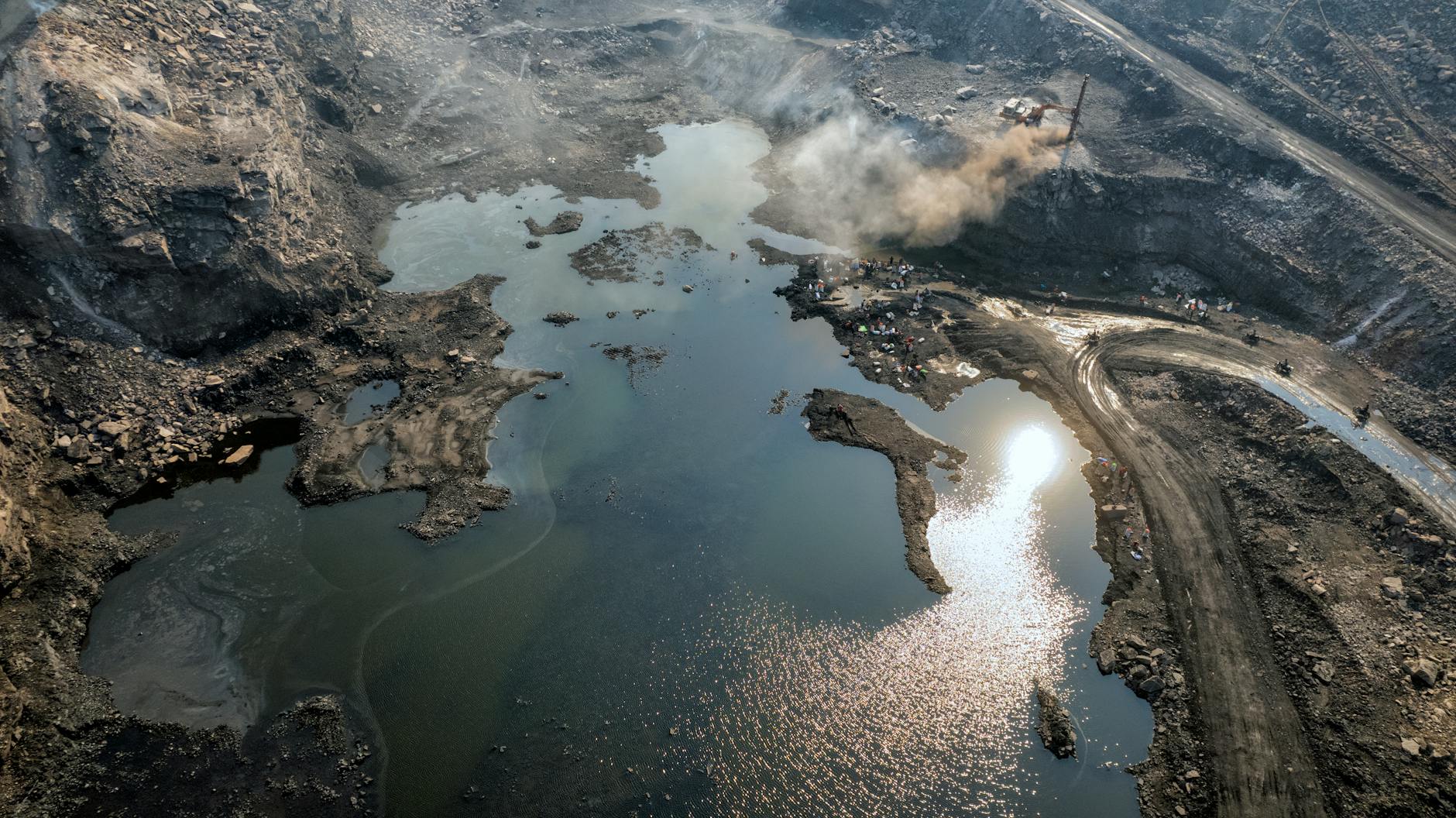
Meanwhile, the Central Pollution Control Board (CPCB) released a damning report on the chromite mines in Odisha’s Sukinda Valley, notorious for their toxic effluents. The findings have prompted the courts to mandate immediate remedial actions to curb the leaching of hazardous substances into nearby water bodies, which pose a severe risk to local communities and wildlife.
In another significant development, directives were issued to Ultratech Cement concerning its Bichhapuri coal mine. The focus here is on groundwater recharge and preventing river pollution. The company has been instructed to implement innovative water management practices to safeguard the region’s water resources, a move hailed by environmental advocates as a step towards sustainable mining practices.
These court orders are not just legal imperatives; they are a clarion call reflecting a broader recognition of the urgent need for environmental stewardship. In a country grappling with the dual challenges of economic growth and environmental sustainability, these rulings highlight the judiciary’s critical role in balancing developmental aspirations with ecological imperatives.
The implications of these orders extend beyond mere compliance. They set a precedent for future cases, reinforcing the necessity for industries to incorporate environmentally responsible practices into their operations. As India continues to navigate its developmental path, the judiciary’s proactive approach serves as a crucial check, ensuring that progress does not come at the expense of the planet.