Cracking the Code: Early Adopters Reveal Secrets of Vibe Coding
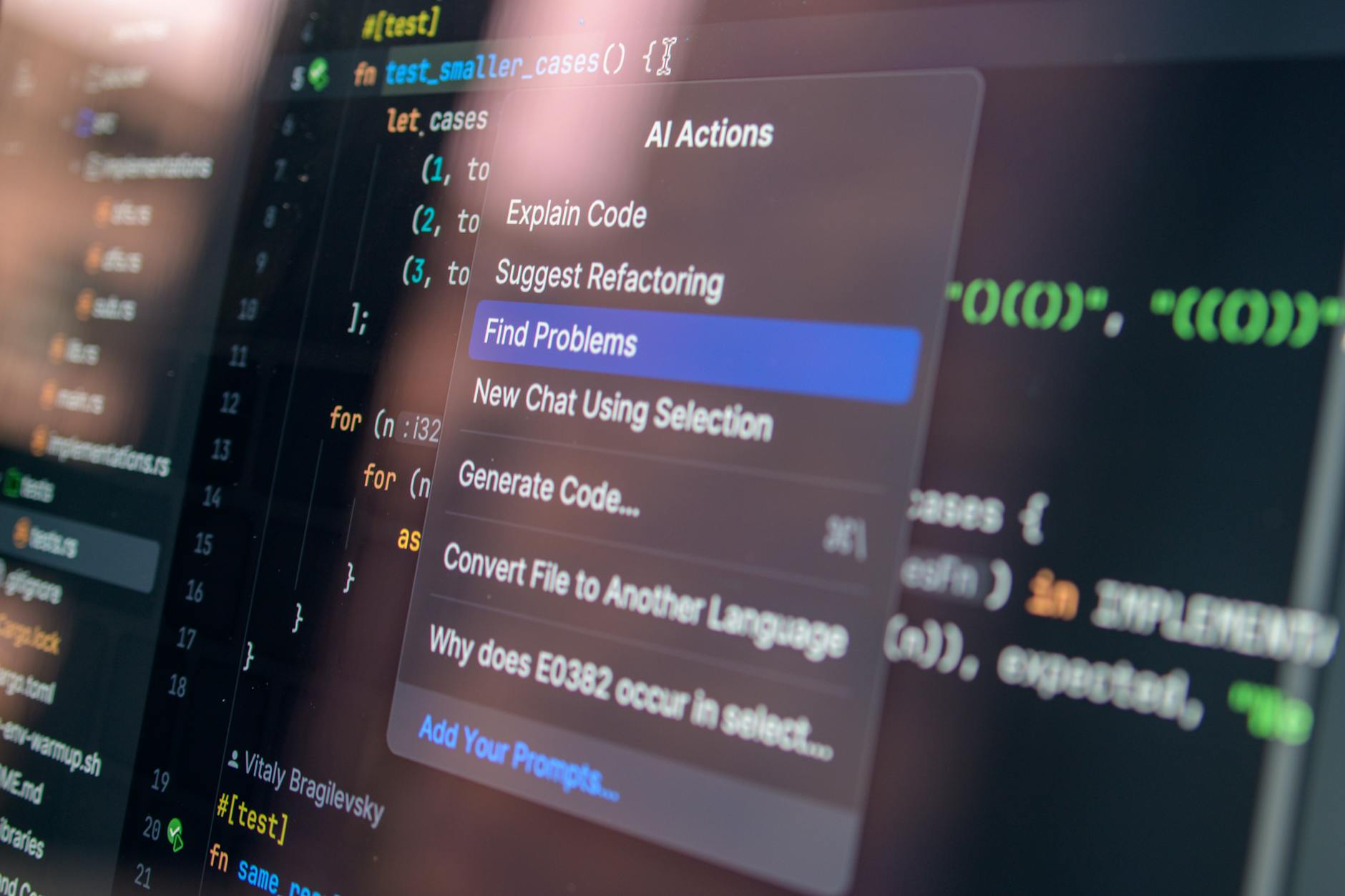
In a world where technology is evolving at breakneck speed, vibe coding emerges as a beacon for developers seeking efficiency and creativity in equal measure. This pioneering approach allows programmers to describe their projects in natural language to an AI model, which then generates the requisite source code. Far from being a mere gimmick, vibe coding is rapidly gaining traction among tech enthusiasts and professionals alike.
At the heart of this coding revolution is the use of large language models, which can interpret and translate human intentions into executable code. Early adopters have been quick to embrace this methodology, citing its potential to streamline processes and spark innovation. One such project, Clobio, was developed in just two days for a hackathon at Imperial College London, serving as a testament to the power of vibe coding. Designed to aid bioinformatics research, Clobio acts as a library of code snippets, simplifying complex data extraction tasks.
Breaking Down Barriers
Vibe coding is more than just a novel tool; it represents a paradigm shift in software development. By lowering the barriers to entry, it enables individuals with limited programming expertise to contribute meaningfully to projects. Shlomo, the founder of Base44, a startup specialising in vibe coding, recently sold his company to Wix for a staggering $80 million, underscoring the commercial viability of this approach.
Critics, however, warn of potential pitfalls. Dependence on AI for coding may lead to over-reliance on machine-generated solutions, which can lack the nuance of human problem-solving. Furthermore, the ethical implications of using AI in code generation remain a subject of debate.
A Future Beckoning
As vibe coding continues to make waves, it is poised to redefine the landscape of software development. Its proponents argue that by fostering collaboration between man and machine, it could lead to unprecedented levels of creativity and efficiency. Whether this vision will be fully realised remains to be seen, but the early successes paint a promising picture.
For now, vibe coding is not just a tool of the future; it is a vibrant part of the present, challenging traditional notions of programming and offering a glimpse into the next chapter of technological evolution.