Discovery Reveals Collagen's Surprising Liquid State Inside Cells
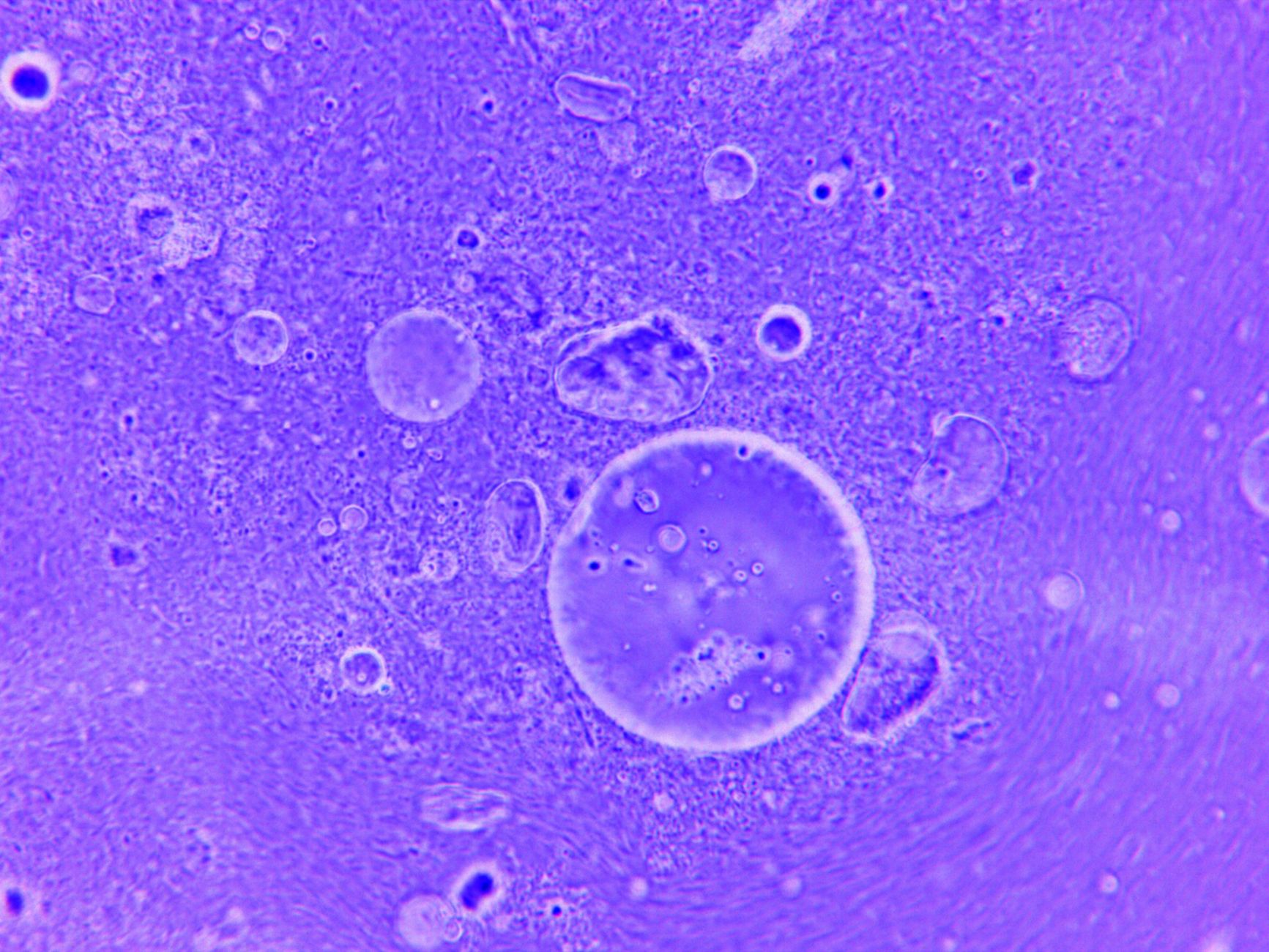
In a revelation that could reshape our understanding of biology, scientists have discovered that collagen, the most abundant protein in the human body, behaves quite differently inside cells than previously believed. According to new findings from the Centre for Genomic Regulation in Barcelona, collagen exists as liquid-like droplets within cells, a stark contrast to the rigid rods depicted in textbooks for decades.
For years, collagen has been hailed as the structural backbone of skin, bones, tendons, and organs. The traditional view posited that collagen fibres form robust, elongated structures, providing strength and support. However, this new study using cutting-edge imaging techniques has shown that inside cells, collagen is far from rigid. Instead, it forms liquid-like droplets, a discovery that could have profound implications for the fields of tissue engineering and regenerative medicine.
A Paradigm Shift in Protein Science
The implications of this discovery are manifold. Firstly, it challenges the very foundation of how we understand protein structure and function within the human body. The liquid-like state of collagen inside cells suggests a level of flexibility and dynamism that may be crucial for cellular processes, including movement and growth.
This newfound understanding opens up potential avenues for biomedical research. By mimicking the liquid state of collagen, scientists could develop new biomaterials that better replicate the natural environment of human tissues. This advancement could lead to more effective treatments for injuries and degenerative diseases, revolutionising patient care.
Potential for Biomedical Innovation
Beyond its structural role, collagen's liquid-like nature could influence how it is used in medical applications. The possibility of synthesising collagen in this state may enhance its versatility as a biomaterial. Researchers are already contemplating its implications in the development of more adaptable and resilient medical implants and prosthetics.
While the discovery is still in its early stages, the research community is abuzz with the potential applications. As the scientific world delves deeper into the mysteries of collagen, the hope is that this newfound knowledge will lead to breakthroughs not only in understanding human biology but also in the practical applications of this vital protein.