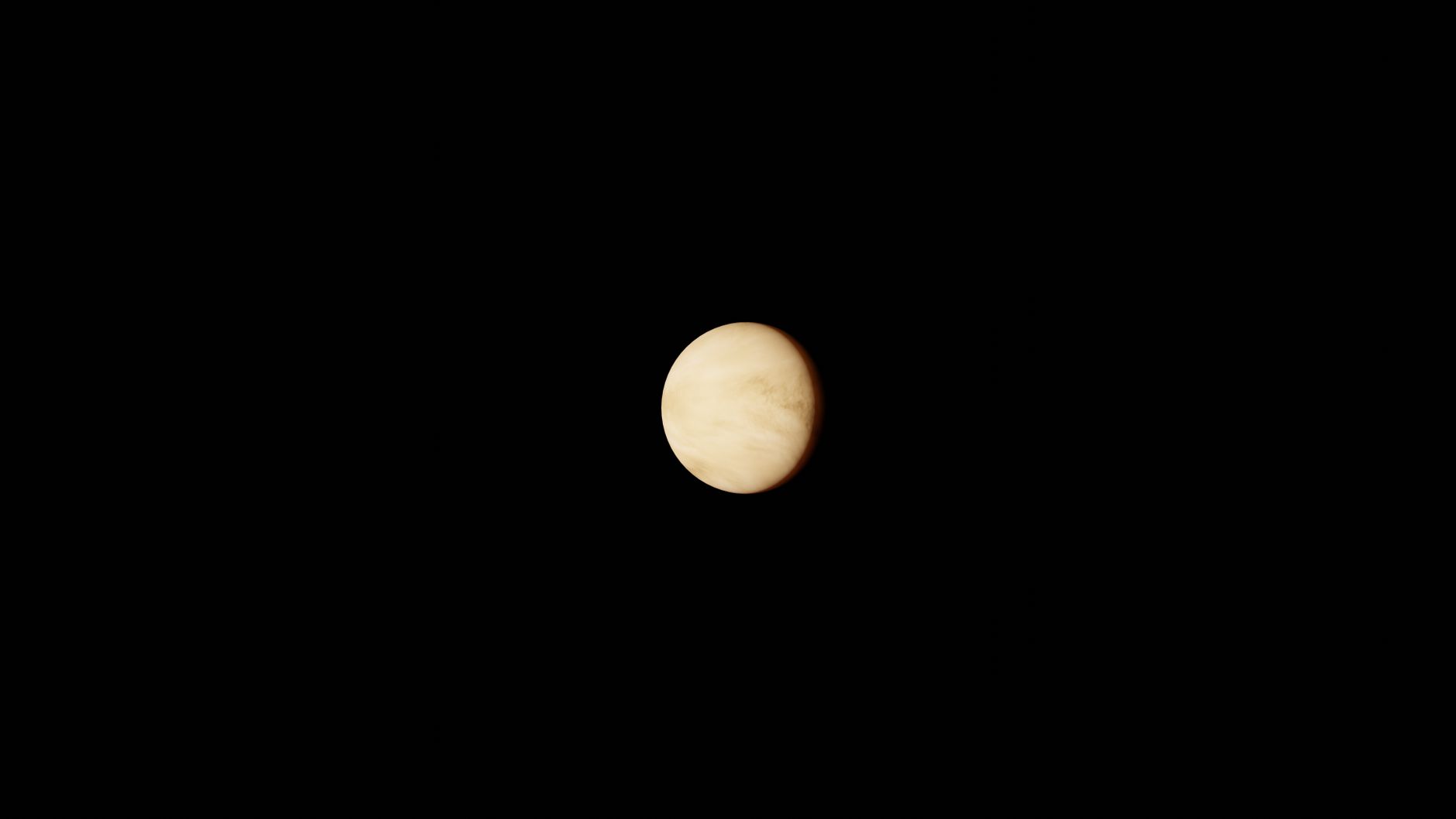
Earth's Fiery Fate: Scientists Reassess Sun's Final Act
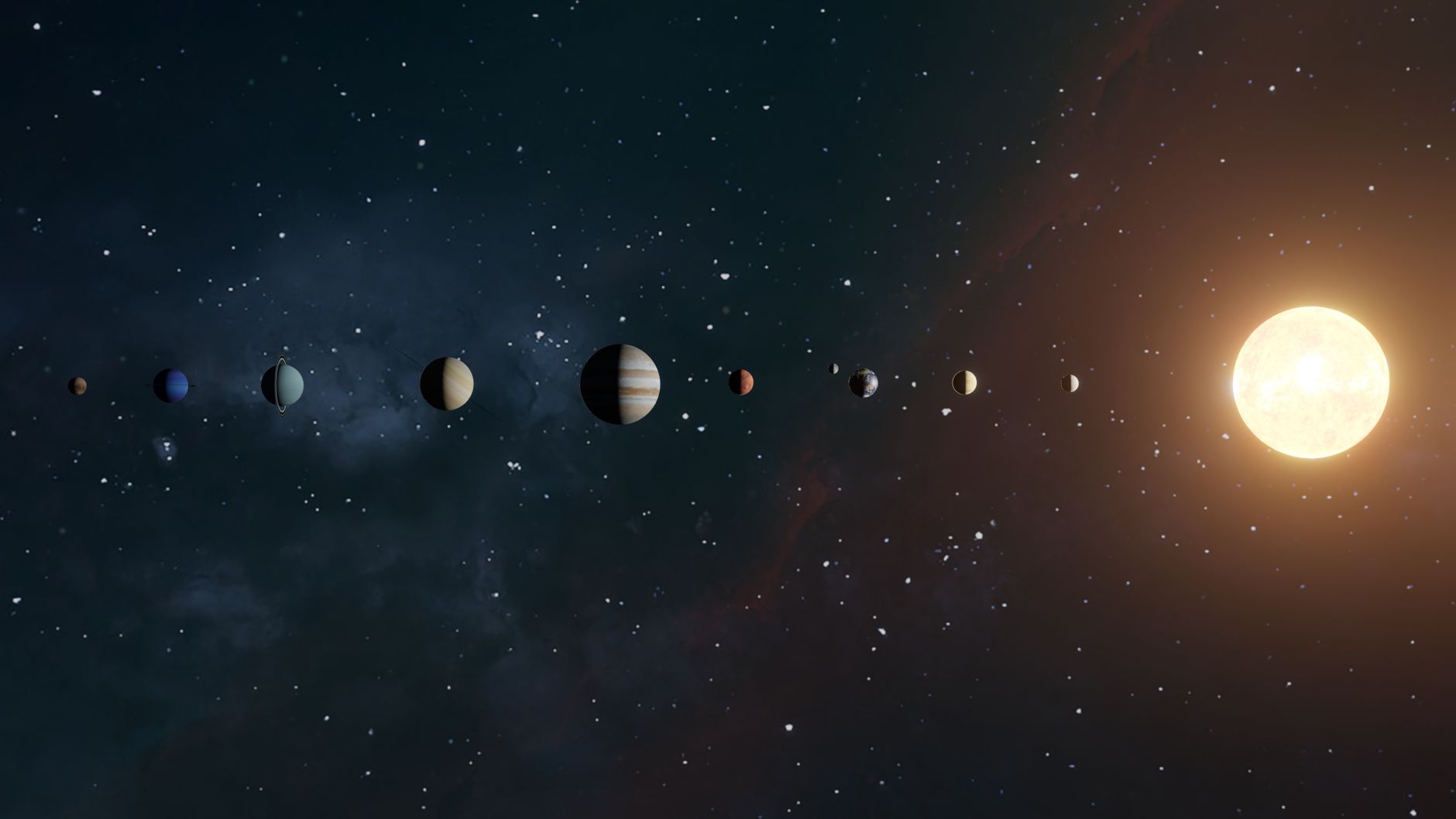
The longstanding image of the Earth's fiery demise at the hands of an expanding Sun might need a revision. Recent scientific insights suggest that our planet may dodge the solar inferno after all.
The Sun, as it nears the end of its life, is expected to swell into a red giant, potentially engulfing its inner planets. This assumption has long kept scientists speculating about the Earth's eventual fate. However, new research offers a glimmer of hope. The intense tidal forces generated within the expanding Sun could alter this catastrophic narrative, potentially allowing Earth to escape its fiery grasp.
The Tidal Dance
The relationship between the Earth, the Moon, and the Sun is a complex ballet of gravitational forces. These forces are responsible for the tides in our oceans, which in turn, gradually slow Earth's rotation and push the Moon further away. As the Sun transforms into a red giant, these tidal forces will stir dramatically within the star itself.
Scientists believe that these internal tidal waves within the dying Sun could lead to a loss of mass, thereby weakening the Sun's gravitational pull. Such a phenomenon might allow Earth to drift slowly away, escaping the Sun's lethal expansion.
Rethinking Cosmic Fate
This revelation challenges the long-held belief that the Earth is destined for solar incineration. It prompts a reevaluation of our understanding of the Solar System's endgame. While the exact mechanics remain a topic for further research, this new perspective on Earth's fate opens the door to a myriad of questions about the future of our celestial neighbourhood.
Moreover, this potential reprieve for Earth underscores the intricate dynamics of celestial mechanics. It highlights how gravitational interactions can profoundly influence the destiny of planetary bodies. As scientists delve deeper into these cosmic mysteries, we may gain further insights into the forces that shape our universe.