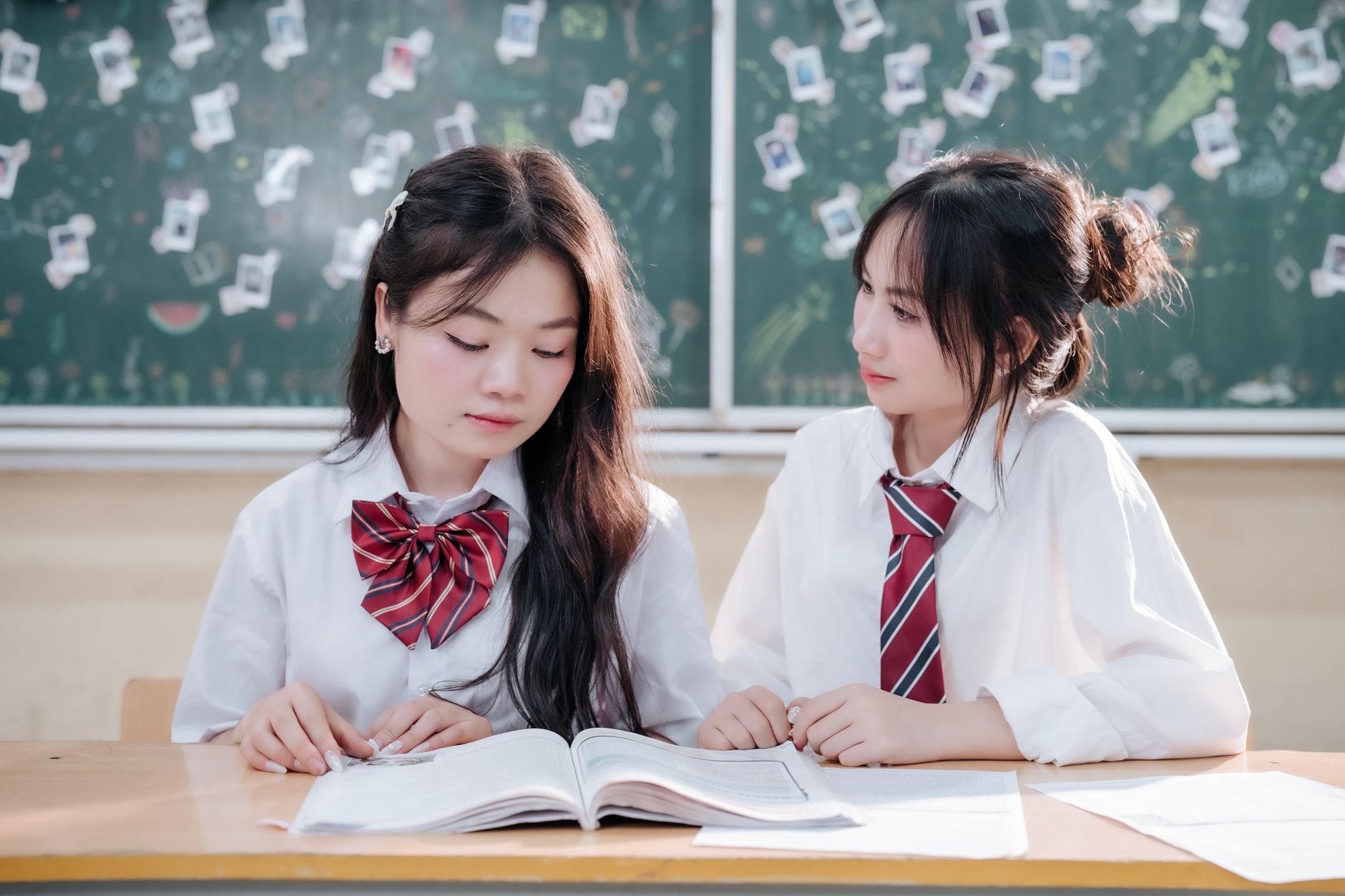
Educational Technology Renaissance: Transforming Classrooms Globally in 2026
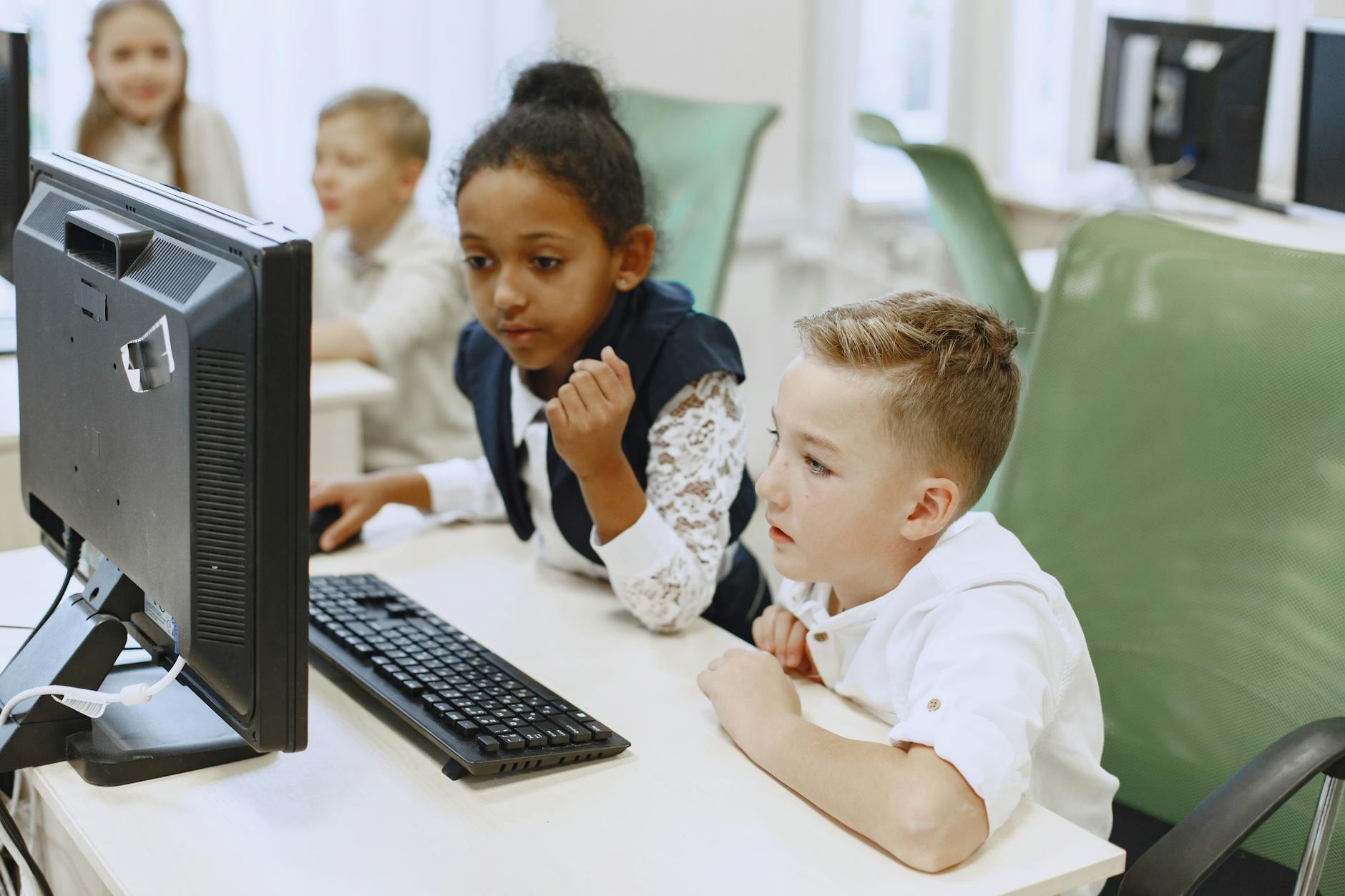
Classrooms around the world are undergoing a remarkable transformation in 2026, as the so-called 'Educational Technology Renaissance' makes its mark. This movement, characterised by the integration of artificial intelligence and substantial infrastructure investments, is redefining how education is delivered and received globally.
The initiative is not merely about introducing technology for technology's sake. Instead, it focuses on enhancing educational experiences through thoughtful application of AI, ensuring that learning is both engaging and effective. Schools and universities are investing heavily in digital platforms that facilitate personalised learning paths, catering to the unique needs and paces of individual students.
A New Era of Learning
Across Europe and Asia, governments are rolling out comprehensive safety protocols to accompany these technological advancements. These measures aim to ensure that the digital learning environment is secure, protecting students' data privacy and wellbeing. The emphasis on safety is as crucial as the educational benefits themselves, ensuring that the digital leap does not compromise student welfare.
In the UK, educational institutions are embracing this revolution with particular enthusiasm. The government's commitment to modernising education through technology is evidenced by substantial funding directed towards infrastructure improvements and teacher training programmes. These efforts aim to equip educators with the necessary skills to thrive in a digitally enhanced teaching environment.
Challenging Traditional Norms
While the benefits of this technological shift are significant, it also poses challenges to traditional educational norms. The rapid pace of change requires a re-evaluation of curricula and teaching methods. Educators are tasked with balancing the integration of new technologies while maintaining the core values of education.
Furthermore, this renaissance is sparking debates about the role of teachers in the classroom. With AI handling more administrative and repetitive tasks, educators are encouraged to focus on creativity and critical thinking, fostering an environment where students can explore and innovate.
The 'Educational Technology Renaissance' of 2026 is more than just a trend; it is a pivotal moment in the evolution of global education. As institutions adapt to these changes, the potential for a more inclusive, personalised, and effective educational landscape becomes increasingly tangible.