Epigenetic Revelations Challenging Mendel's Genetic Laws
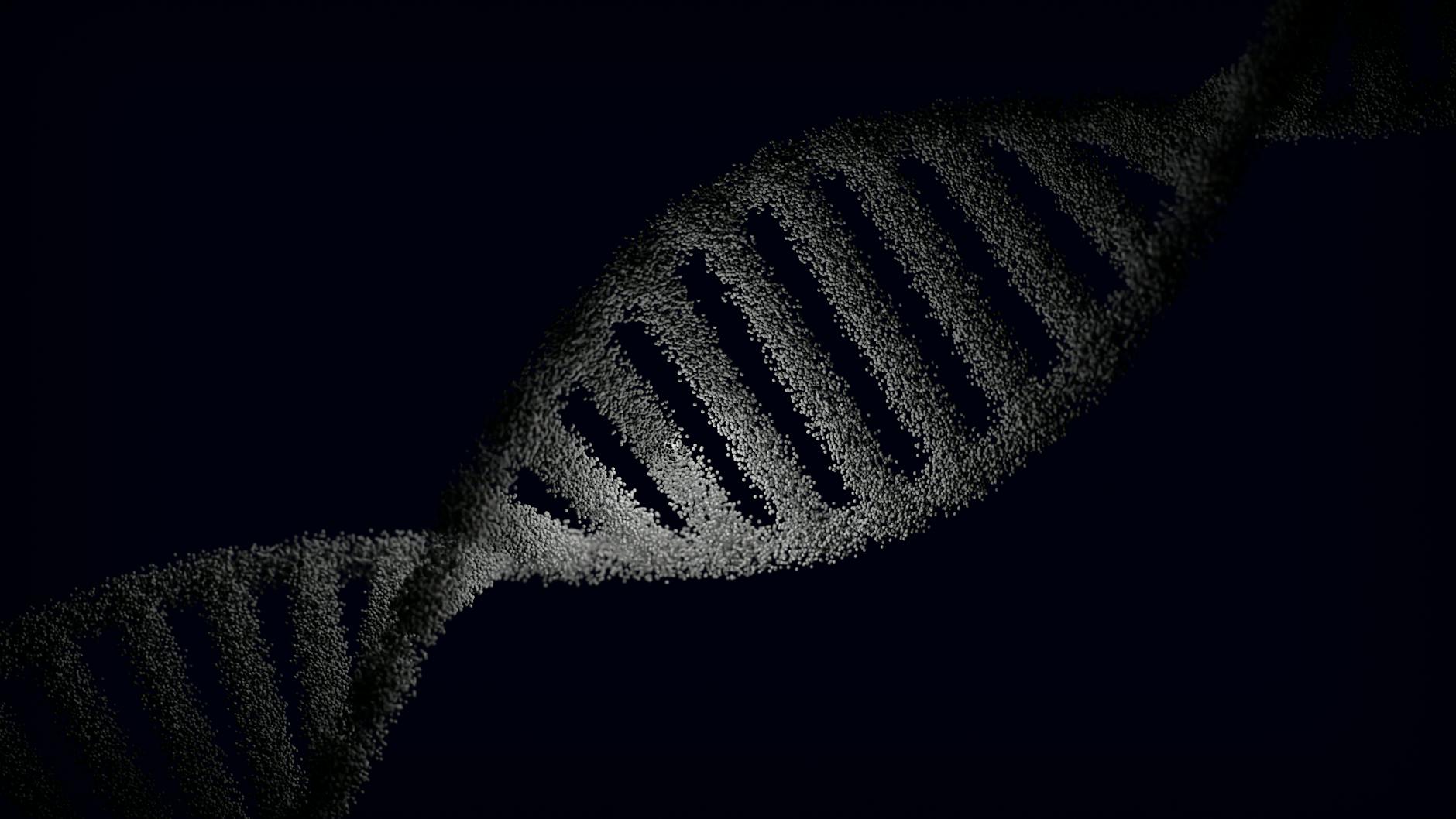
In an astonishing twist to the tale of genetic inheritance, scientists have uncovered epigenetic traits in mice that defy the long-standing Mendelian laws. These findings, arising from meticulous research at Johns Hopkins University, suggest that inheritance is far more complex than the simple dominance and recessiveness outlined by Gregor Mendel's 19th-century experiments with pea plants.
The study reveals that hundreds of traits are passed down not through traditional genetic sequences, but via epigenetic marks, such as DNA methylation. This process involves chemical changes to DNA that do not alter the genetic code itself but can still be inherited, influencing how genes are expressed in offspring.
Rethinking Genetic Inheritance
Gregor Mendel's principles have been the cornerstone of genetics for over a century, explaining how traits are passed from parents to offspring. However, this new research indicates that these rules may not be as universal as once thought. The presence of epigenetic inheritance suggests a more nuanced mechanism at play, where environmental factors and lifestyle choices could have lasting genetic impacts across generations.
This discovery has profound implications, potentially reshaping our approach to genetics and heredity. It opens the door for further research into how diseases or traits could be influenced by non-genetic factors, offering new avenues for medical and scientific exploration.
Implications and Future Research
The broader implications of this study are vast. Not only does it challenge the foundational understanding of genetic inheritance, but it also raises questions about how traits and diseases are passed down. Researchers now face the exciting task of exploring these new pathways of inheritance and understanding how they might be manipulated for better health outcomes.
While Mendel's work laid the groundwork for genetics, the discovery of epigenetic inheritance points to a future where genetics is not just about DNA sequences but also about understanding the dynamic interactions between genes and their environment. This could revolutionise fields ranging from agriculture to medicine, offering new insights into treatment and prevention strategies.