EU Implements Stricter Water Protection Measures
A new era of environmental safeguarding has dawned across Europe as the European Union's revised water protection regulations officially come into force. The newly introduced Directive, aimed at fortifying the resilience of the continent's water bodies, marks a decisive step in the EU's broader agenda to achieve a pollution-free future.
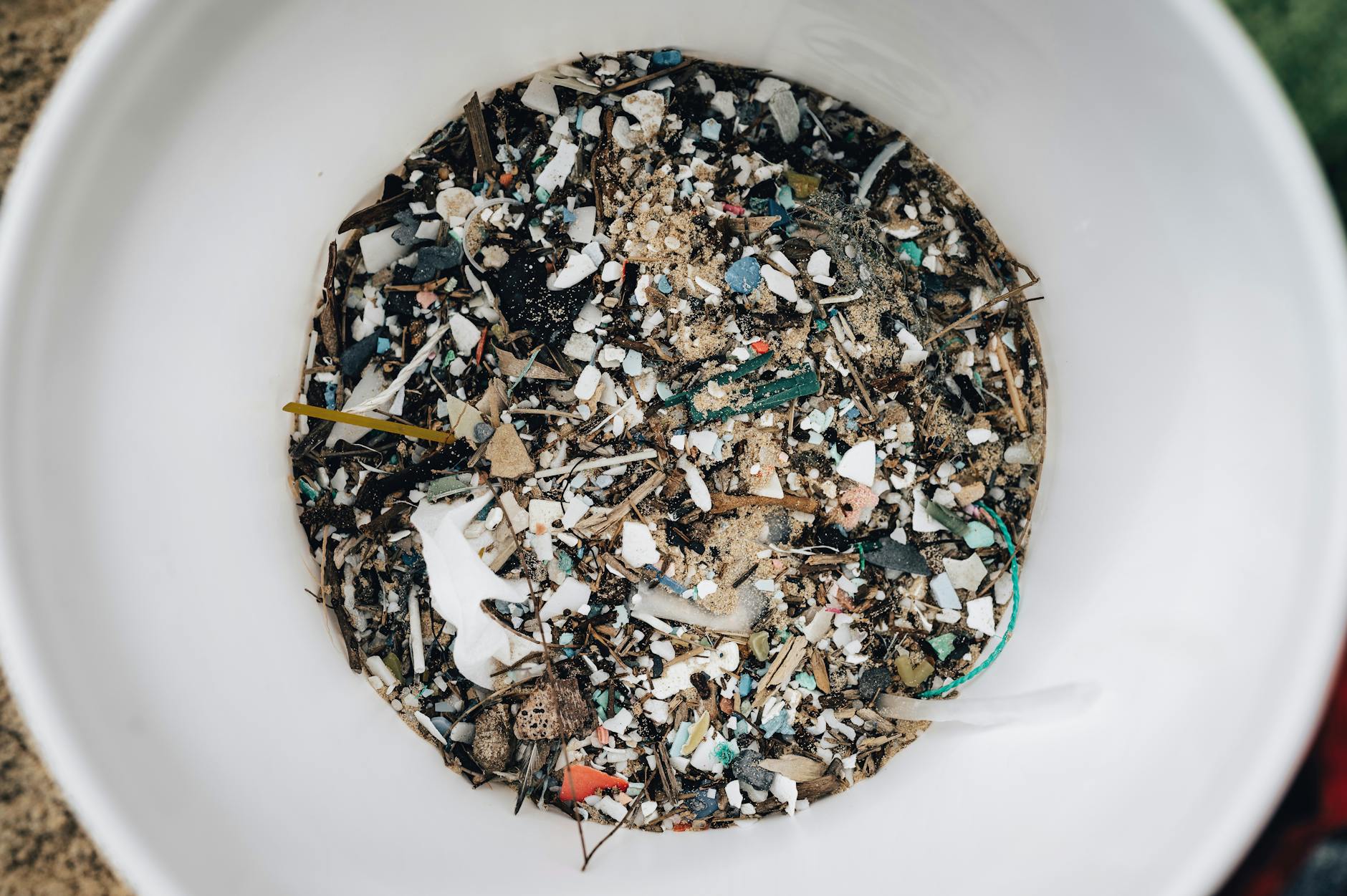
At the heart of this legislative overhaul is a stringent set of standards designed to monitor and curb pollutants such as per- and polyfluoroalkyl substances (PFAS), microplastics, pesticides, and pharmaceuticals. These substances, often referred to as 'forever chemicals', have long been a thorn in the side of environmentalists, as they persist in ecosystems, wreaking havoc on both biodiversity and human health.
This legislative shift is not merely reactive; it is a proactive measure to address the growing concerns over water pollution and scarcity exacerbated by climate change. The EU's commitment to water resilience is not just vital for the environment but is also crucial for the economic stability of the region, where agriculture and industry heavily depend on clean water resources.
Unwavering Commitment to Zero-Pollution
The Directive's implementation reinforces the EU's unwavering commitment to its zero-pollution ambition. A cornerstone of this ambition is the comprehensive monitoring framework that seeks to hold member states accountable. Regular assessments and transparency in reporting will ensure that nations adhere to the high standards set forth.
Yet, this progress does not come without its challenges. Balancing economic growth with environmental sustainability remains a tightrope walk. While industries might initially face increased compliance costs, the long-term benefits of preserving water quality are expected to outweigh these concerns. Cleaner water supports healthier populations and ecosystems, which in turn bolster tourism and agriculture.
Looking Ahead
As the Directive takes hold, the EU's journey towards a greener future faces both opportunities and hurdles. The success of these regulations will hinge on their effective implementation and the cooperation of member states. While the path may be fraught with obstacles, the EU's commitment to safeguarding its water resources is a promising sign of its dedication to environmental stewardship.