Evolution Unfolding: Tibetans Thrive Amidst Thin Air
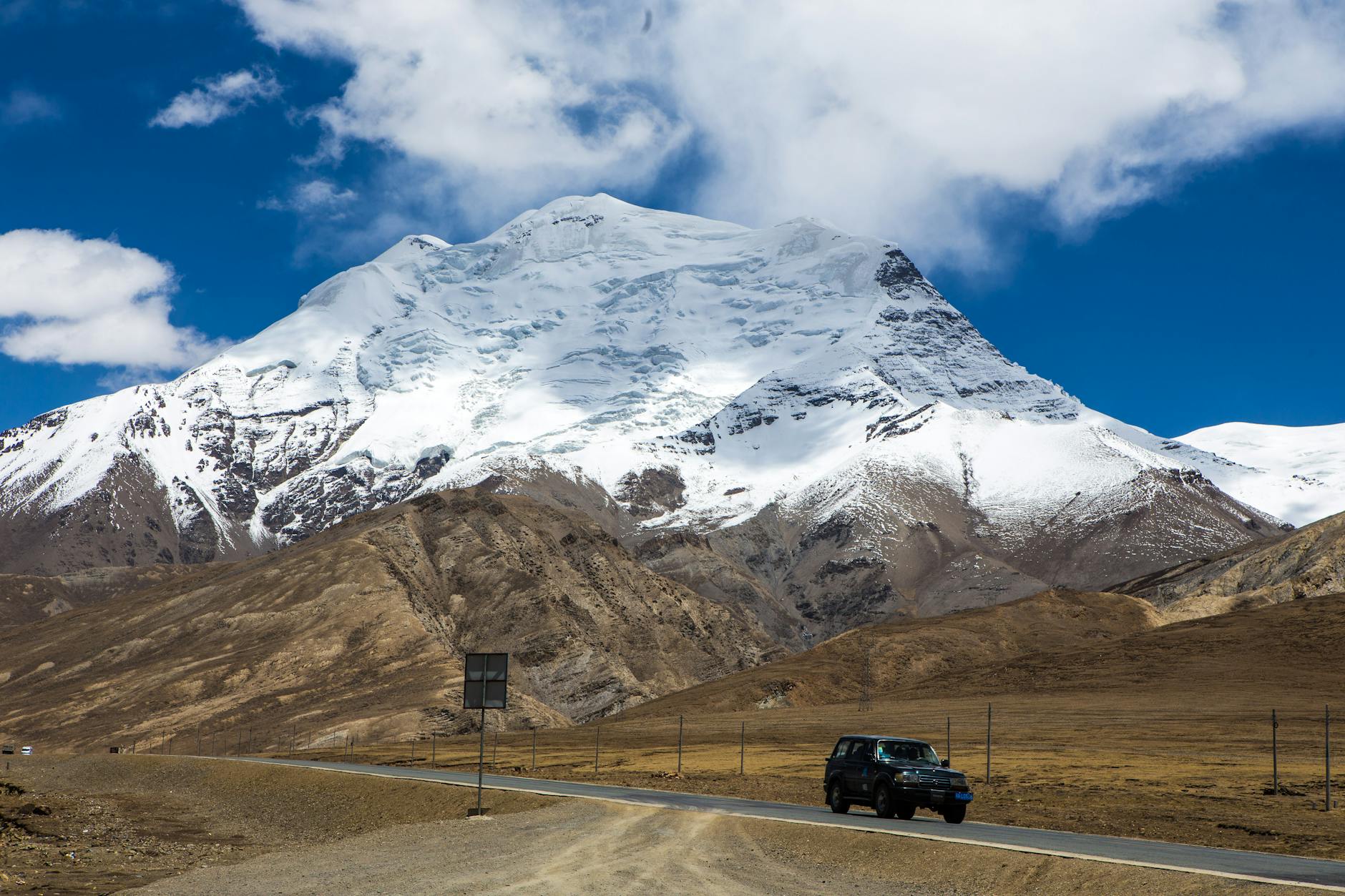
Perched atop the world, the Tibetan Plateau is not just a geological marvel but a living laboratory of human evolution. Here, amidst the breath-taking vistas and thin air, humans are continuing to evolve, adapting to conditions that would leave most gasping for breath.
Recent research has illuminated how the inhabitants of this high-altitude region are not merely surviving but thriving. The secret lies in their extraordinary physiological adaptations. Unlike the average mountaineer, who might struggle with altitude sickness, Tibetans have developed genetic traits that allow for efficient oxygen utilisation, a necessity when each breath contains significantly less of the gas.
The Science Behind the Survival
A study focusing on women living on the Plateau has provided insights into these adaptations. It appears that certain genetic markers are linked to greater reproductive success. These traits, honed over thousands of years, enable more effective oxygen transport in blood, crucial in an environment where oxygen is a luxury.
This ongoing evolution challenges the perception that humans have stopped evolving. Instead, it suggests that, like all living organisms, we continue to adapt to our surroundings, albeit at a pace and in ways that are not immediately apparent.
Why It Matters
Understanding these adaptations is not just an academic exercise; it holds practical implications. As climate change alters global environments, the ability of humans to adapt will be tested. The Tibetan example offers hope and a reminder of our species' resilience.
The findings also enrich our understanding of genetics and could inform medical research, potentially leading to breakthroughs in treating conditions related to oxygen deprivation.
In the serene yet challenging heights of the Tibetan Plateau, evolution unfolds silently, a testament to the enduring dance between humanity and the environment.