Funding Freeze: US Universities Feel the Chill Amid White House Pressure
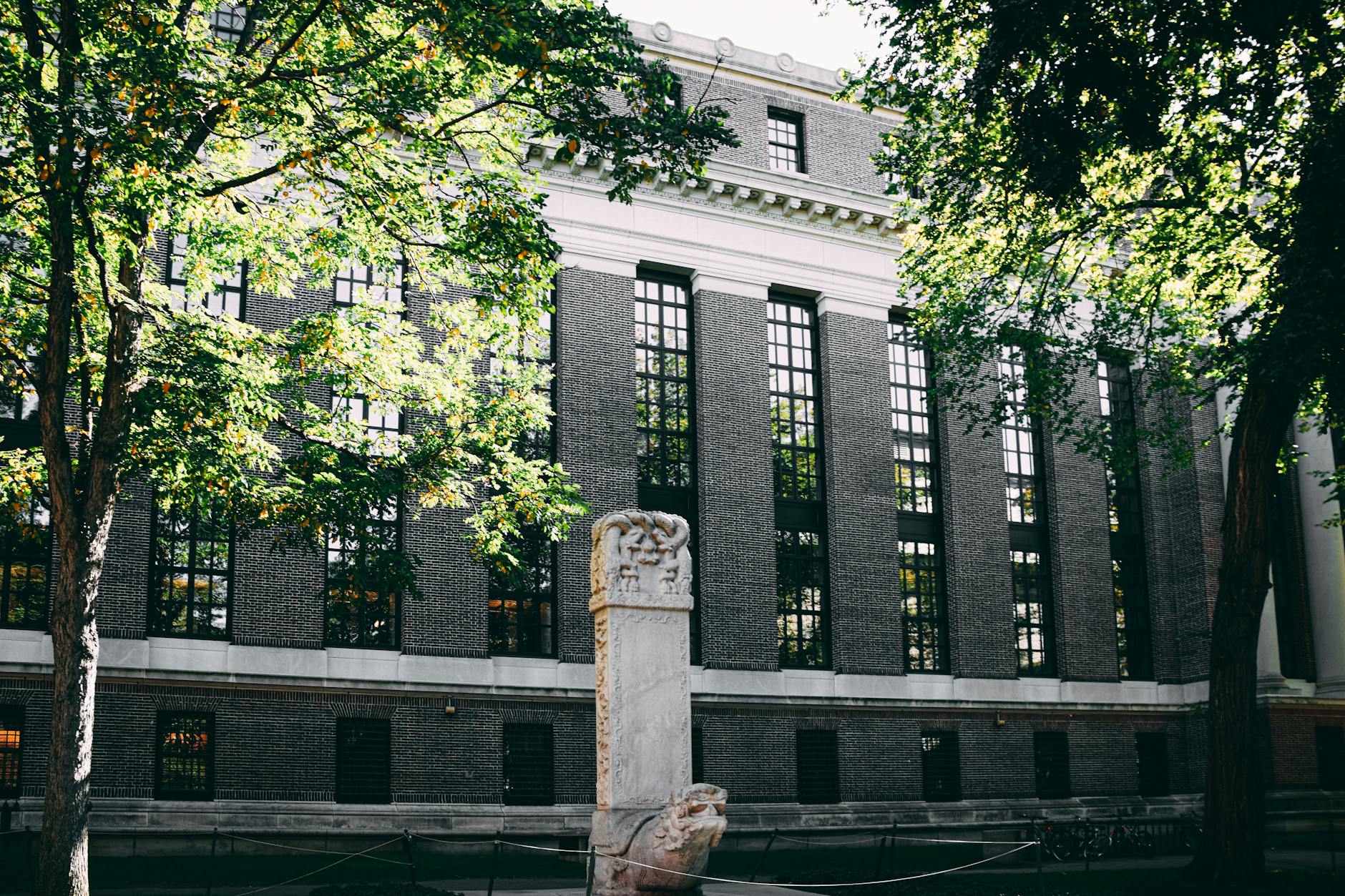
For universities like Harvard, the past few years have felt like navigating a financial labyrinth. The Trump administration's decision to slow research funding has left many academic institutions scrambling for alternatives. Critics suggest this move is far from incidental, arguing that it is part of a broader White House strategy to exert pressure on universities perceived as politically opposed.
The implications are significant. Research grants are the lifeblood of academic discovery, and a halt or slowdown can stifle innovation and delay projects that could lead to groundbreaking developments. The impact is not confined to American soil; Australian universities, which rely heavily on US funding, have also reported significant setbacks.
Amidst this financial freeze, states like California are stepping up. A proposed ballot measure aims to inject $23 billion into state research grants. This initiative seeks to leverage California's robust economy to counterbalance federal funding cuts, a move that underscores the growing divide between state and federal policies.
Dr. Joshua Barocas of the University of Colorado has noted the pause in scientific council meetings, which are crucial for grant determinations. For researchers, the uncertainty is palpable. With fewer grants available, competition becomes fierce, and the broader scientific community risks losing talent to more stable environments.
The slowing of funding is a stark reminder of how political agendas can ripple through academia, affecting not just research outcomes but also the very fabric of scientific progress. As states like California forge their path, the question remains: can they sustain the momentum in the face of federal hesitance?