Galactic Archaeology: Uncovering the Remains of Loki in the Milky Way
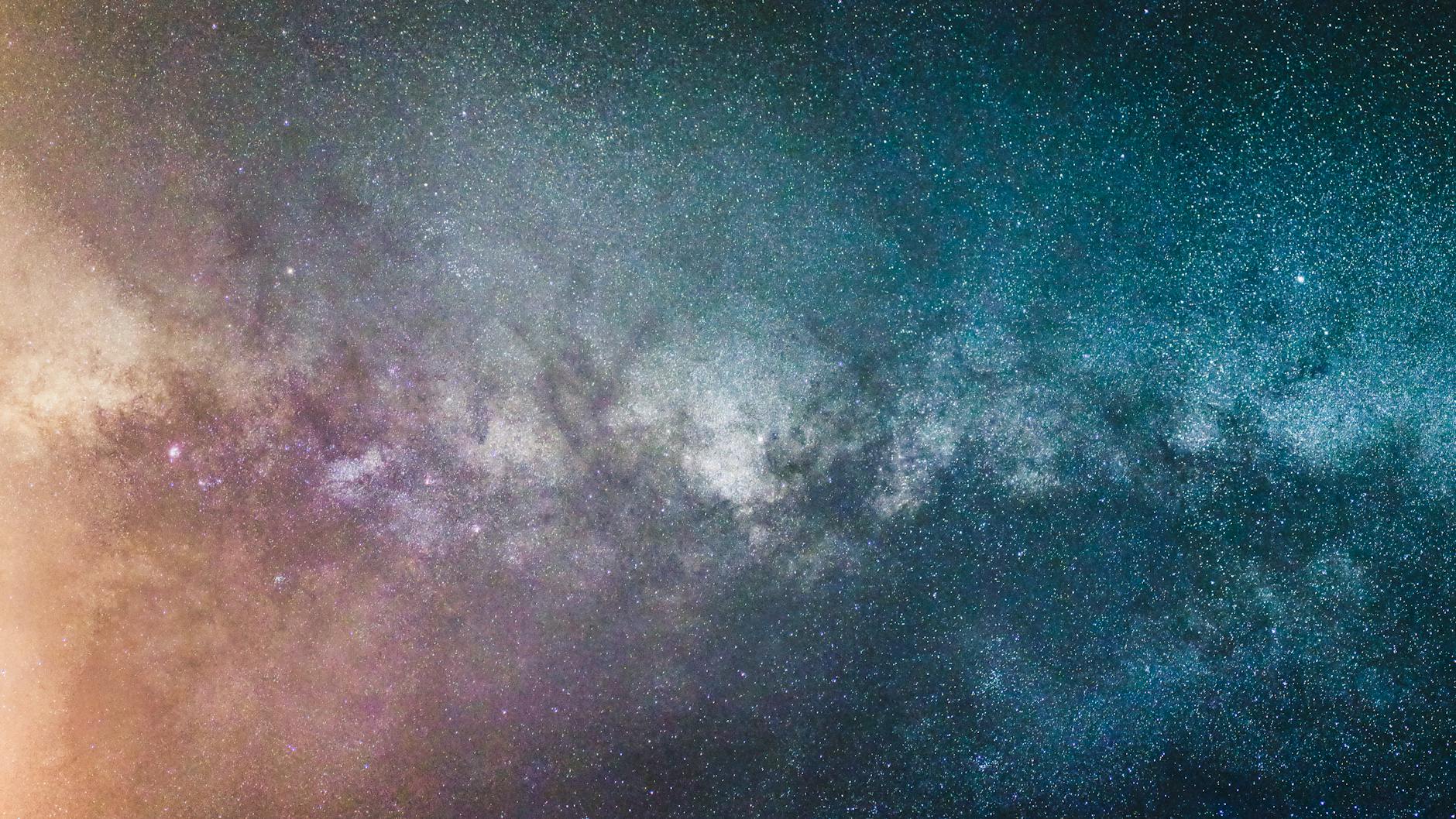
In the vast cosmic ocean, the Milky Way has long been a predator, silently swallowing smaller galaxies in its path. Recently, astronomers have identified what they believe to be the remnants of a devoured galaxy named Loki, buried deep within our own galactic home.
The discovery is not merely an astronomical curiosity but a significant piece of the puzzle in understanding the Milky Way's formation. Over its 12-billion-year existence, our galaxy has absorbed numerous dwarf galaxies, each merger leaving behind traces of its past. The bones of Loki, as scientists have whimsically named them, are believed to be a cluster of stars that bear the hallmarks of having originated from another galactic entity.
The Art of Cosmic Cannibalism
Galactic collisions are not uncommon in the universe. These cosmic dances, often occurring over millions of years, result in the blending of stars, gas, and dark matter. In the case of the Milky Way, these interactions have played a crucial role in shaping its spiral structure.
The discovery of Loki's remains was possible thanks to advanced mapping techniques that have allowed astronomers to chart the Milky Way with unprecedented detail. By analysing the motion and composition of stars, scientists can identify those that do not conform to the typical patterns seen in our galaxy, pointing to their extragalactic origins.
Why Loki Matters
Understanding these ancient mergers is vital for piecing together the Milky Way's history. Each absorbed galaxy contributes to the mass and dynamics of our own, influencing everything from the formation of new stars to the distribution of dark matter.
The remnants of Loki offer a unique window into the past, providing clues about the conditions of the early universe and the evolutionary path of galaxies. As we continue to explore our cosmic surroundings, such findings remind us of the dynamic and ever-changing nature of the universe.
The bones of Loki, though silent, speak volumes about the history of our galaxy, offering a glimpse into the celestial events that have shaped the Milky Way into the magnificent entity we observe today.