Graduate Students Manage Robot Labs from the Comfort of Bed
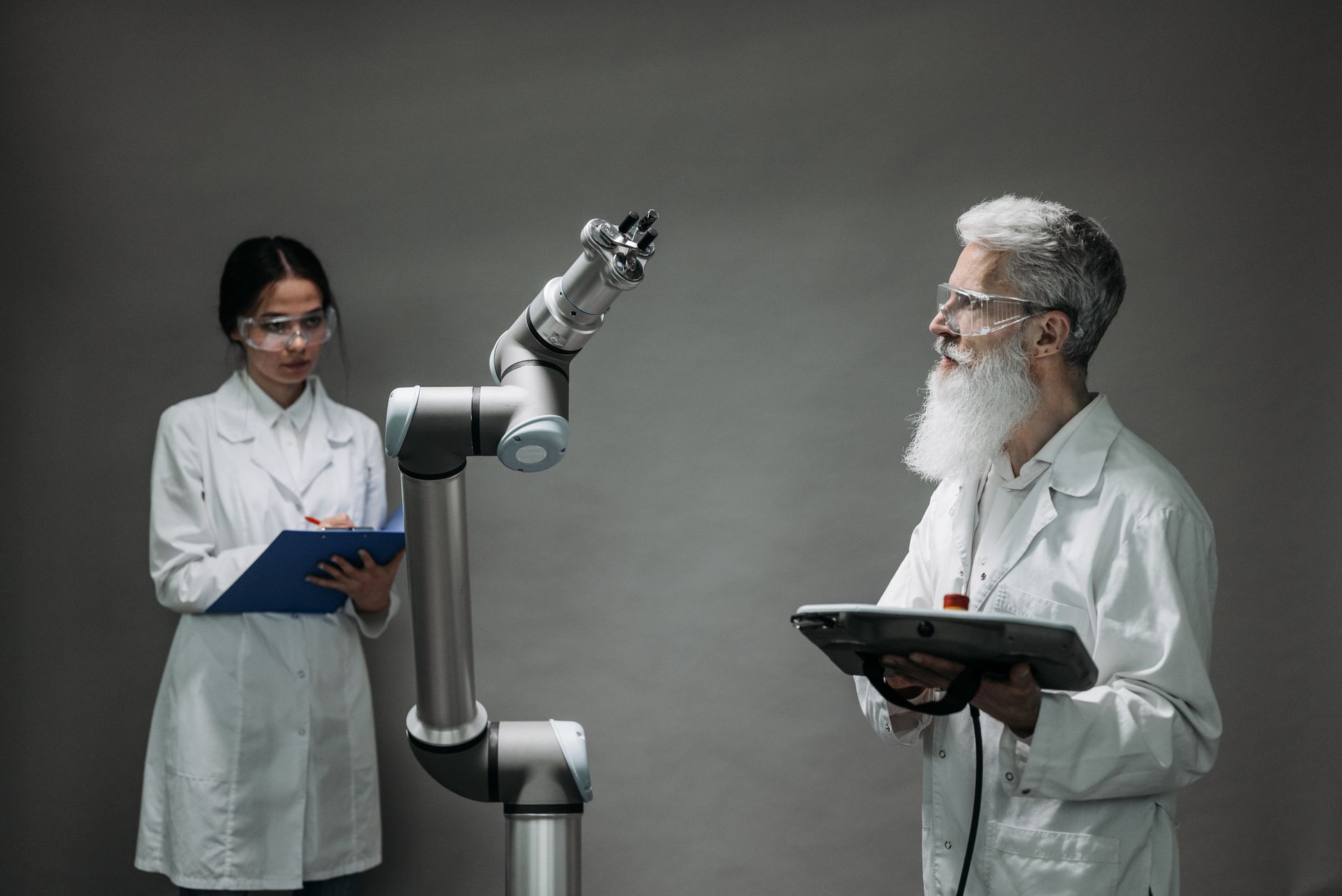
In the dim glow of a laptop screen, a graduate student peers at a series of robotic arms, each performing a delicate dance of scientific experiments. But the student is not perched on a lab stool; rather, they are nestled comfortably under a duvet, miles away from the laboratory's sterile environment. Welcome to the future of scientific research, where robots conduct experiments, and students supervise from the comfort of their homes.
At the forefront of this revolution is the A-Lab at the University of California, Berkeley, under the guidance of materials scientist Gerbrand Ceder. The lab, a hive of innovation, employs robotics to conduct and monitor experiments, allowing students to engage remotely. 'We want a better material,' Ceder explains, summarising the lab's ambitious objectives.
Remote Access: A New Era of Experimentation
The integration of remote access tools into the lab setting marks a significant departure from traditional methods. Previously, students would spend countless hours in the lab, manually adjusting equipment and recording observations. Now, with the aid of cameras, emails, and instant messaging alerts, they can diagnose and remedy issues from afar.
This shift is not just about convenience. It represents a profound change in how scientific work is conducted. By freeing researchers from the confines of the lab, it allows for a more flexible and perhaps more humane approach to research. The ability to troubleshoot problems remotely reduces downtime and enhances productivity.
Implications for the Future
The implications of this shift are manifold. For one, it could democratise access to scientific research, allowing those who are geographically distant from major research centres to participate more fully. Moreover, it could accelerate the pace of discovery, as experiments can continue without the need for constant physical oversight.
However, this new model is not without its challenges. Ensuring data security and maintaining the integrity of experiments conducted remotely are paramount concerns. Nonetheless, the benefits of such an approach are undeniable, offering a glimpse into a future where science is conducted with both efficiency and ease.