Hidden Wonders: Fluorescent Spider and Armoured Cricket Found in Angola
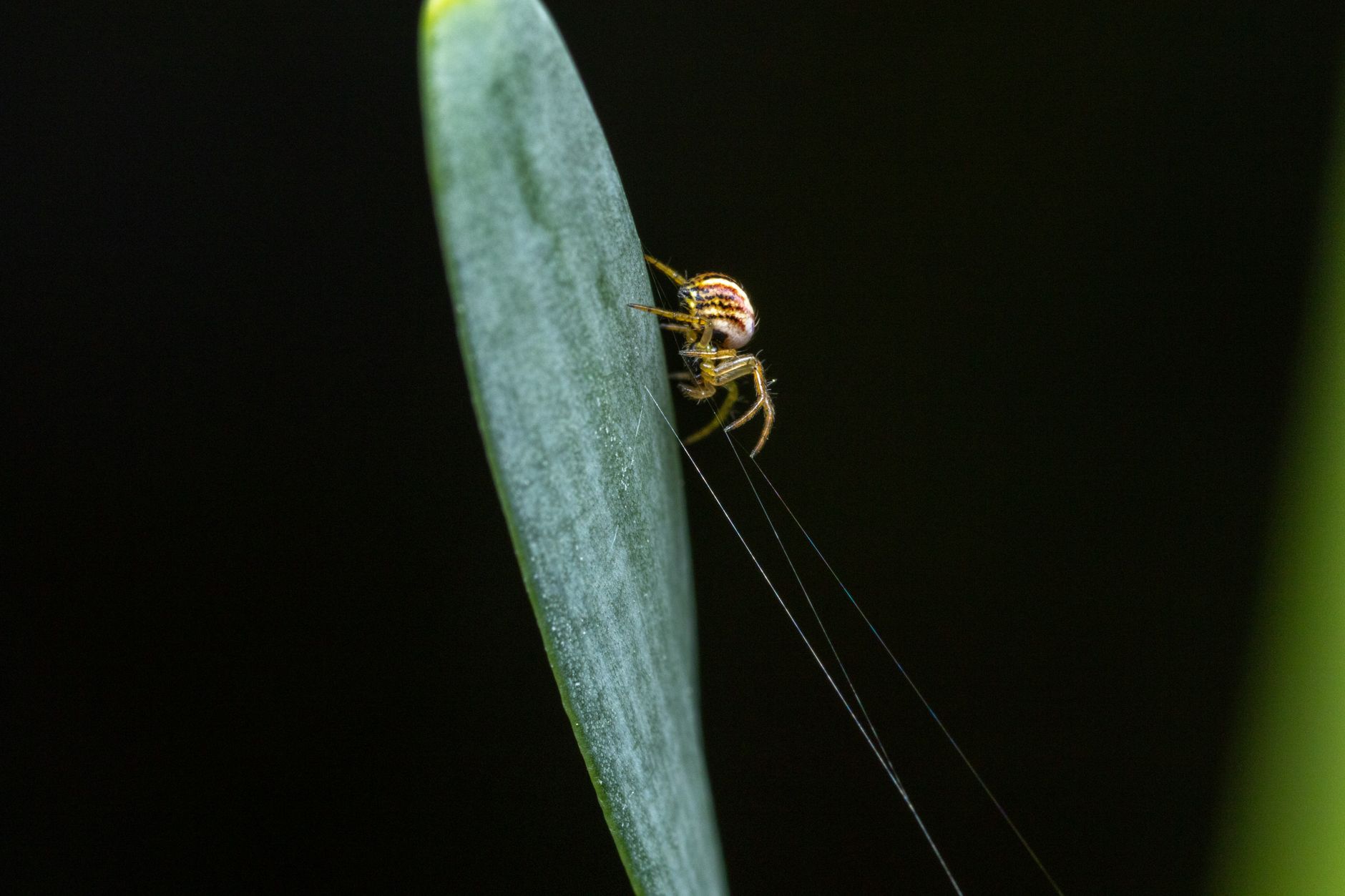
High on the isolated Lisima plateau in Angola, a scientific expedition has unveiled a treasure trove of biodiversity that had previously eluded the eyes of the world. Among the myriad discoveries are a spider that glows a mesmerising blue under ultraviolet light and the armoured cricket, Acanthoplus discoidalis, known for its distinctive protective shell.
These revelations are not merely curiosities for entomologists and arachnologists but signal a broader ecological significance. Angola's remote regions, often overshadowed by the more famous African habitats, are proving to be biodiversity hotspots in their own right.
Nature's Hidden Secrets
The blue-fluorescent spider is an evolutionary marvel. It employs a unique form of bioluminescence that may play a role in mating or predation. Meanwhile, the armoured cricket, native to parts of Angola and its neighbouring countries, is a study in ecological adaptability. Its tough exoskeleton provides defence against predators, a necessity in the competitive ecosystems it inhabits.
Dr. Emily Clarke, a leading entomologist on the expedition, noted, "These findings highlight the extraordinary adaptations life has made in response to this region's challenges. Each species adds a piece to the puzzle of our planet's evolutionary history."
Conservation Implications
The discoveries underscore the pressing need for conservation in Angola. The rich tapestry of life here is under threat from human encroachment and environmental changes. Scientists argue that understanding and preserving these unique ecosystems is crucial not only for the species themselves but for the global ecological balance.
Efforts to establish protected areas and promote sustainable development are gaining momentum. However, the challenge remains vast, as many areas are still inaccessible and undocumented. The recent expedition serves as a clarion call to the international scientific community and conservationists alike to prioritise these hidden corners of the Earth.
As the glow of the fluorescent spider fades into the Angolan night, one is left with a sense of awe at nature's ingenuity and the urgent task of preserving it.