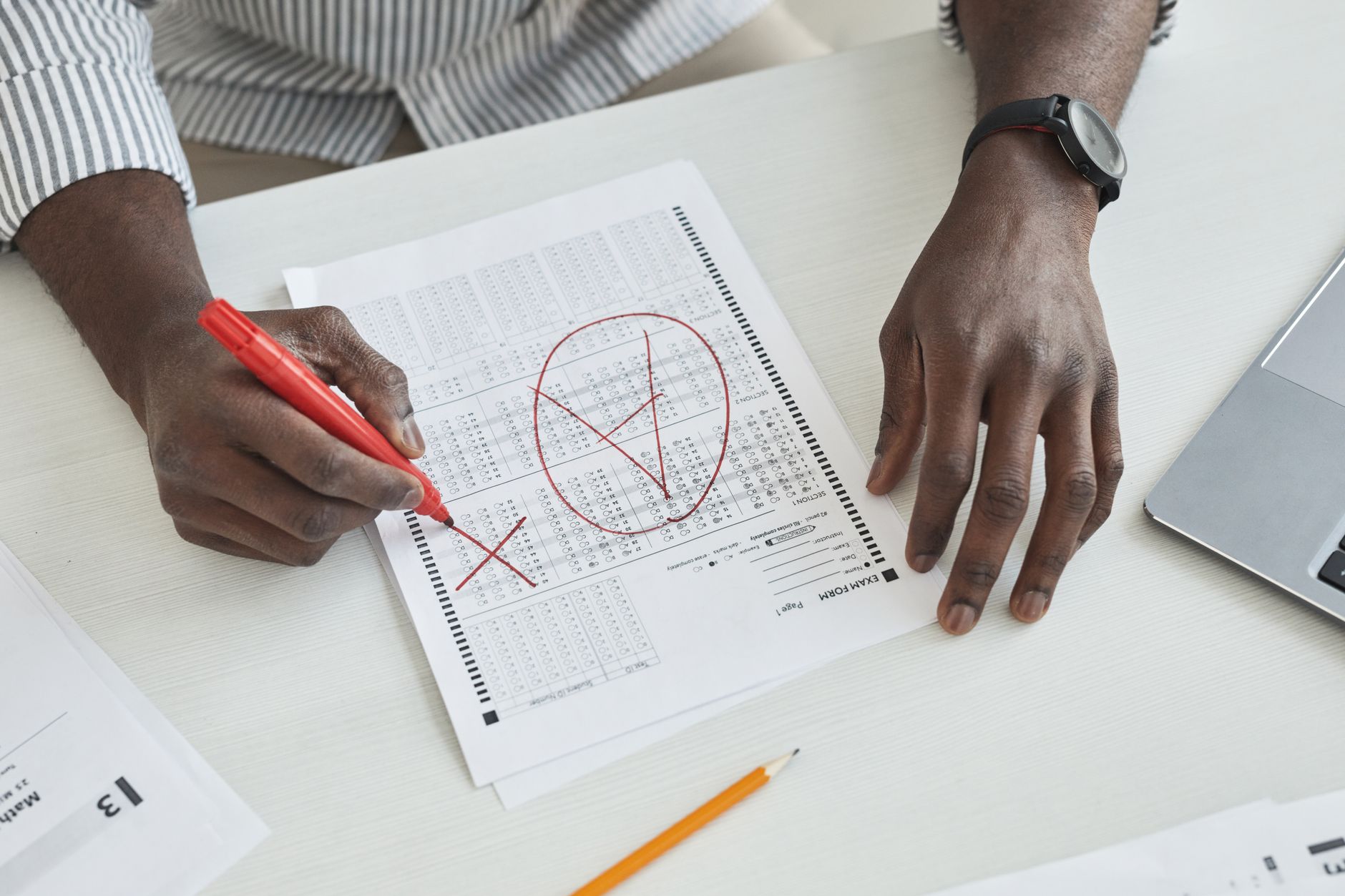
HPBoSE Website Crashes as Students Flock to Check Results
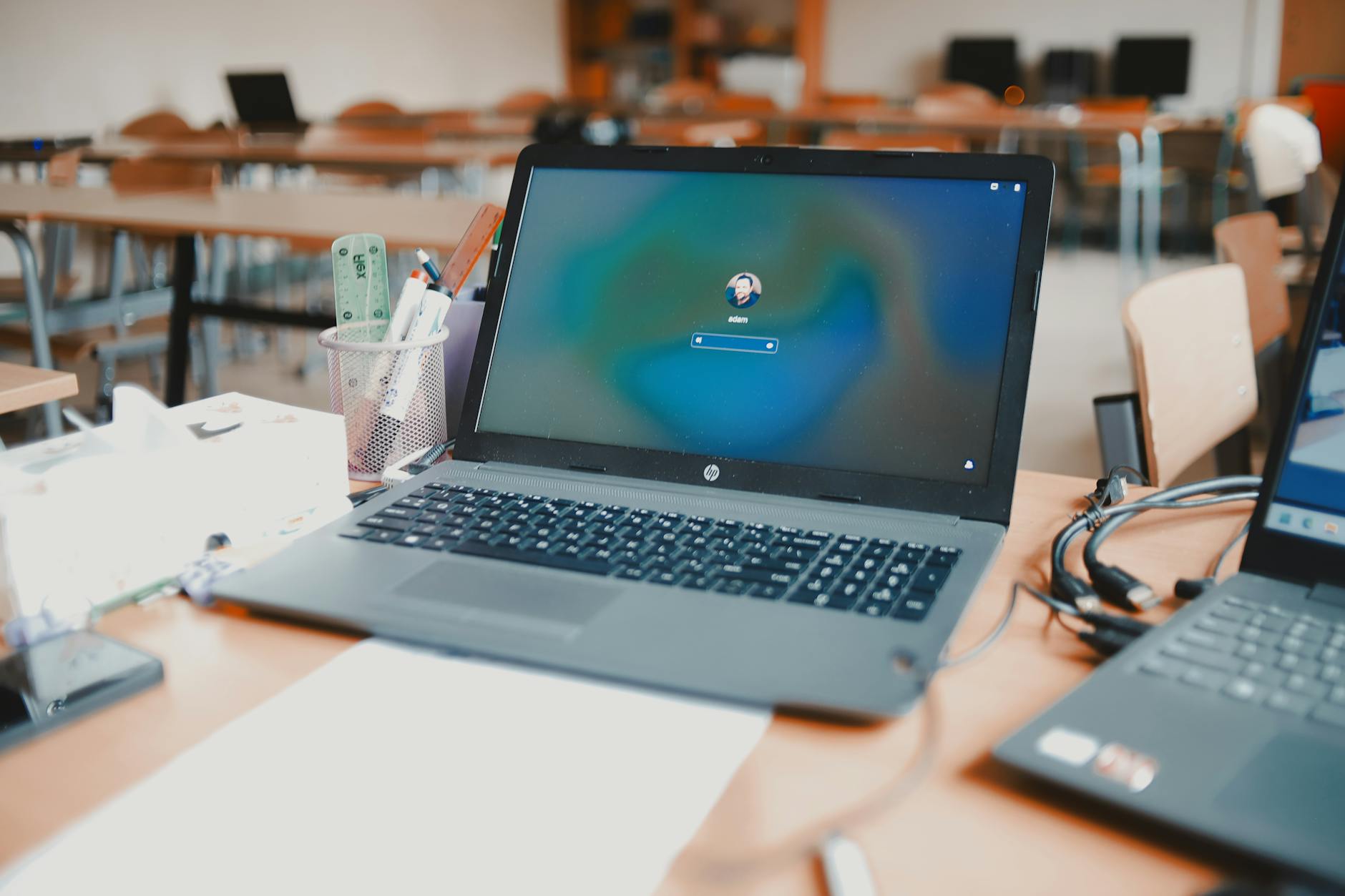
In a scene reminiscent of a digital stampede, the Himachal Pradesh Board of School Education's (HPBoSE) website found itself overwhelmed on the morning of 10 May 2026. As the clock struck 11, thousands of eager students flooded the portal in a bid to discover their Class 10 results, only to be met with the disheartening sight of a non-responsive page.
The demand was understandable. For many, this moment marks a significant milestone in their academic journey. Yet, the board's site, hpbose.org, appeared ill-equipped to handle the sheer volume of visitors, leading to widespread frustration among students and parents alike.
Turning to Alternatives
With the official site faltering under pressure, students were promptly directed to DigiLocker—a government-backed platform designed to store and share digital documents securely. This service, along with the UMANG App, offered a lifeline to those desperate to access their marksheets without delay.
The reliance on these digital platforms underscores a critical shift in how educational results are disseminated. As more institutions move online, the need for resilient digital infrastructure becomes ever more pressing. The hiccup faced by HPBoSE serves as a stark reminder of the importance of robust planning in digital transitions.
Lessons for the Future
While the inconvenience was palpable, it also offered a valuable lesson in the importance of preparedness. Ensuring that digital platforms are capable of withstanding high traffic is essential in an era where online announcements are the norm.
For students, the episode was a test of patience and adaptability, qualities that will no doubt serve them well in their future endeavours. As for educational boards, the incident provides an opportunity to reflect on and improve upon their digital strategies, ensuring smoother experiences in the years to come.