Hubble Captures Galaxy in Rare Evolutionary Stage
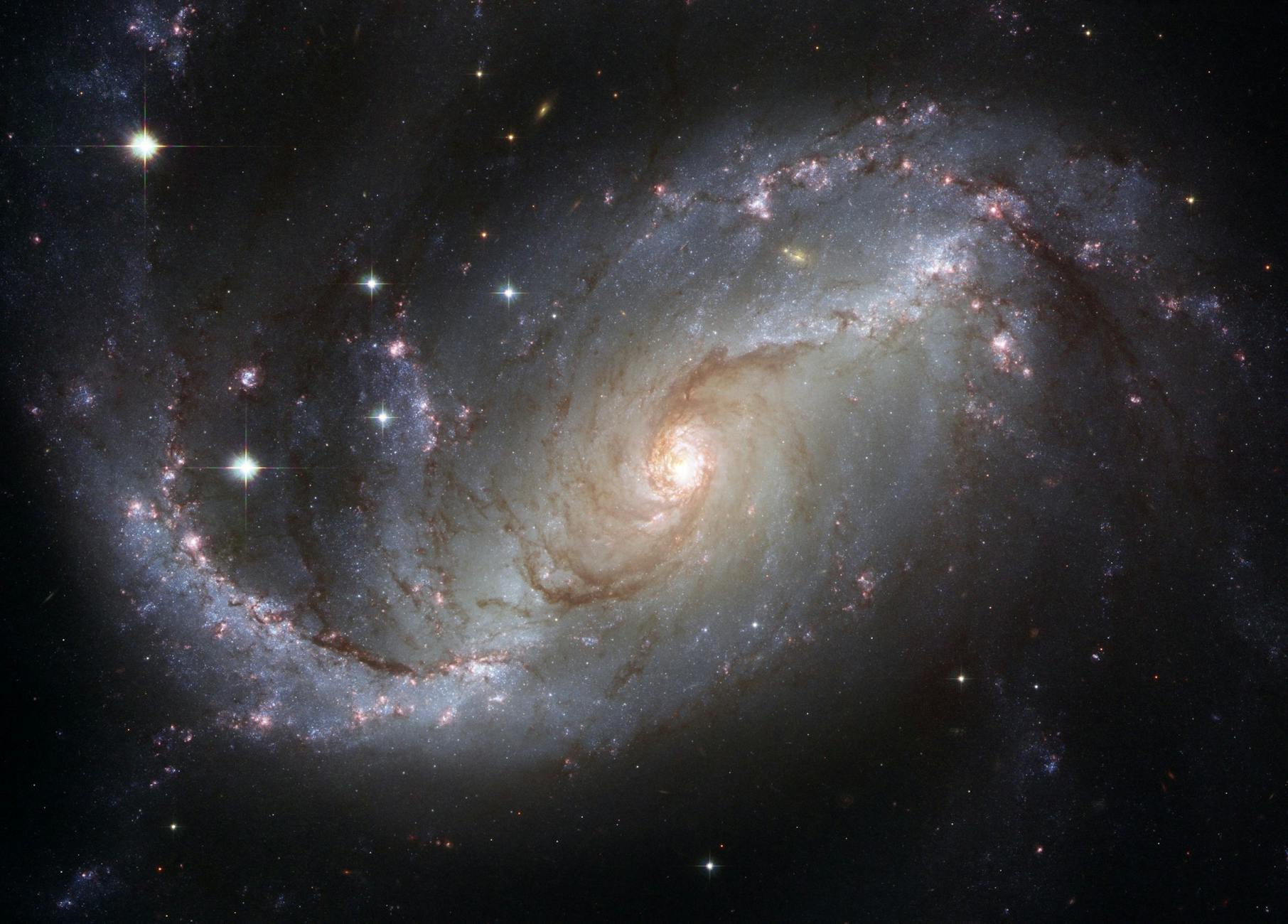
The cosmos has once again unfolded a masterpiece, as the Hubble Space Telescope captures an image of the lenticular galaxy NGC 1266, suspended in a rare state of transition. Nestled in the celestial tapestry of the constellation Eridanus, this galaxy presents a unique opportunity for astronomers to peer into the mechanics of galactic evolution.
NGC 1266 is an enigmatic entity, straddling the line between spiral and elliptical classifications. Its bright centre and faintly spiral-like arms suggest a story of transformation. Lenticular galaxies such as this are often considered the missing link in our understanding of how galaxies morph over cosmic time. The existence of both spiral structures and a more homogenised core points to a dynamic past, where star formation has been both prolific and then suddenly quenched.
An Evolutionary Tale
The galaxy's current state is thought to be a post-starburst phase, a period following a frenetic episode of star formation which has abruptly ceased. This cessation is believed to result from the galaxy expelling or consuming its star-forming gas, a phenomenon that remains a topic of intense study. The image brings to the fore questions about the processes that halt star formation and the timeline of such transitions.
NGC 1266's peculiarities are not just limited to its appearance. Observations suggest its core harbours a supermassive black hole, whose influence may have played a pivotal role in halting star formation. The energy and radiation from such a massive entity could heat or eject the remaining gas, effectively shutting down the galaxy's stellar nursery.
Implications for Galactic Studies
The significance of this observation extends beyond mere aesthetic appreciation. It provides a snapshot of the intermediate stages of galactic evolution, offering clues about the life cycles of galaxies. Understanding these processes is crucial for piecing together the history of the universe itself, as galaxies serve as the building blocks of cosmic structure.
While the Hubble Space Telescope has been peering into the universe for over three decades, discoveries like NGC 1266 continue to fuel our fascination with the cosmos. Each image captured is not just a glimpse into the distant past but a beacon guiding future research in our quest to comprehend the vast and complex universe we inhabit.