India's Agricultural Revolution: From Scarcity to Global Influence
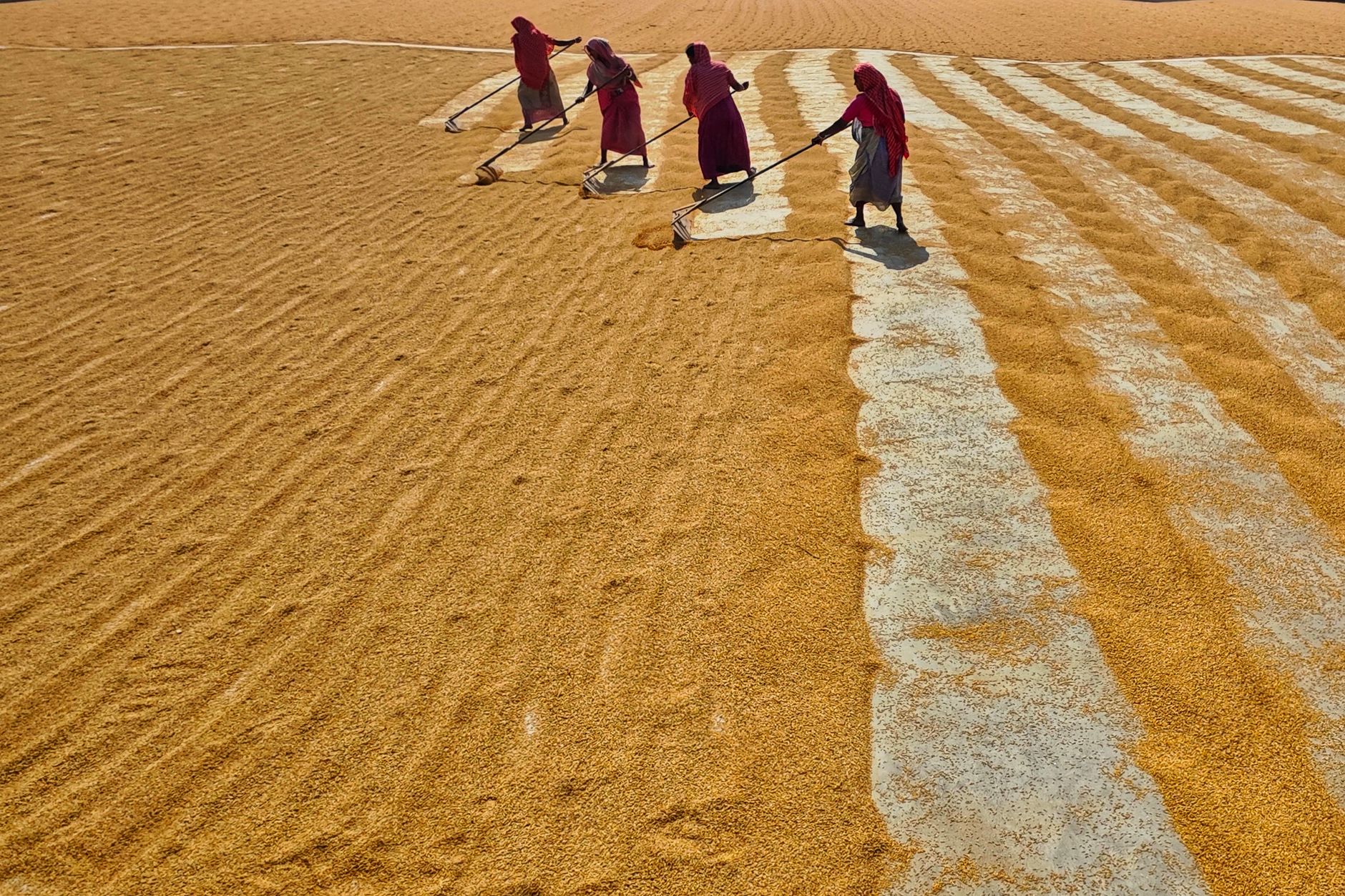
Amidst the clatter of bustling marketplaces and the vibrant tapestry of India's culinary culture, lies a story of remarkable transformation. Just decades ago, India grappled with the spectre of food scarcity, heavily reliant on foreign imports to stave off famine. Today, it stands among the giants of global agriculture, a testament to a journey defined by innovation and resilience.
India's metamorphosis from a nation of chronic shortages to a self-sufficient powerhouse is not merely a tale of increased productivity. It is a narrative woven from the threads of scientific advancement and strategic policy-making. The Green Revolution of the 1960s, spearheaded by luminaries like Norman Borlaug and M.S. Swaminathan, introduced high-yielding crop varieties that were to become the bedrock of India's agricultural resurgence.
The Scientific Catalyst
Central to this transformation was the adoption of scientific methods and technology. The introduction of the Norin-10 dwarfing genes in wheat and the development of hybrid rice varieties played pivotal roles. These innovations were not isolated events but part of a broader strategy to embrace modern agricultural practices, enhancing both yield and resilience.
Technology's role did not end with crop genetics. The expansion of irrigation infrastructure, fertiliser usage, and mechanisation further propelled India's agricultural capacity. This holistic approach ensured that India could not only feed its burgeoning population but also emerge as a key player in global food markets.
Global Leadership
Today, India is the largest producer of milk, pulses, and spices, and the largest exporter of rice. Its influence extends beyond mere statistics; it plays a crucial role in global food security. As a leading producer of wheat, sugarcane, and a variety of fruits and vegetables, India has positioned itself as an indispensable part of the global food supply chain.
India's journey from food scarcity to global leadership is not just an economic narrative but a source of national pride. It highlights the power of scientific inquiry and governmental vision in reshaping a nation's destiny. As the world faces new challenges of food security amid climate change and growing populations, India's experience offers valuable lessons in resilience and innovation.