India’s Struggle to Manufacture Scientific Instruments Raises Concerns
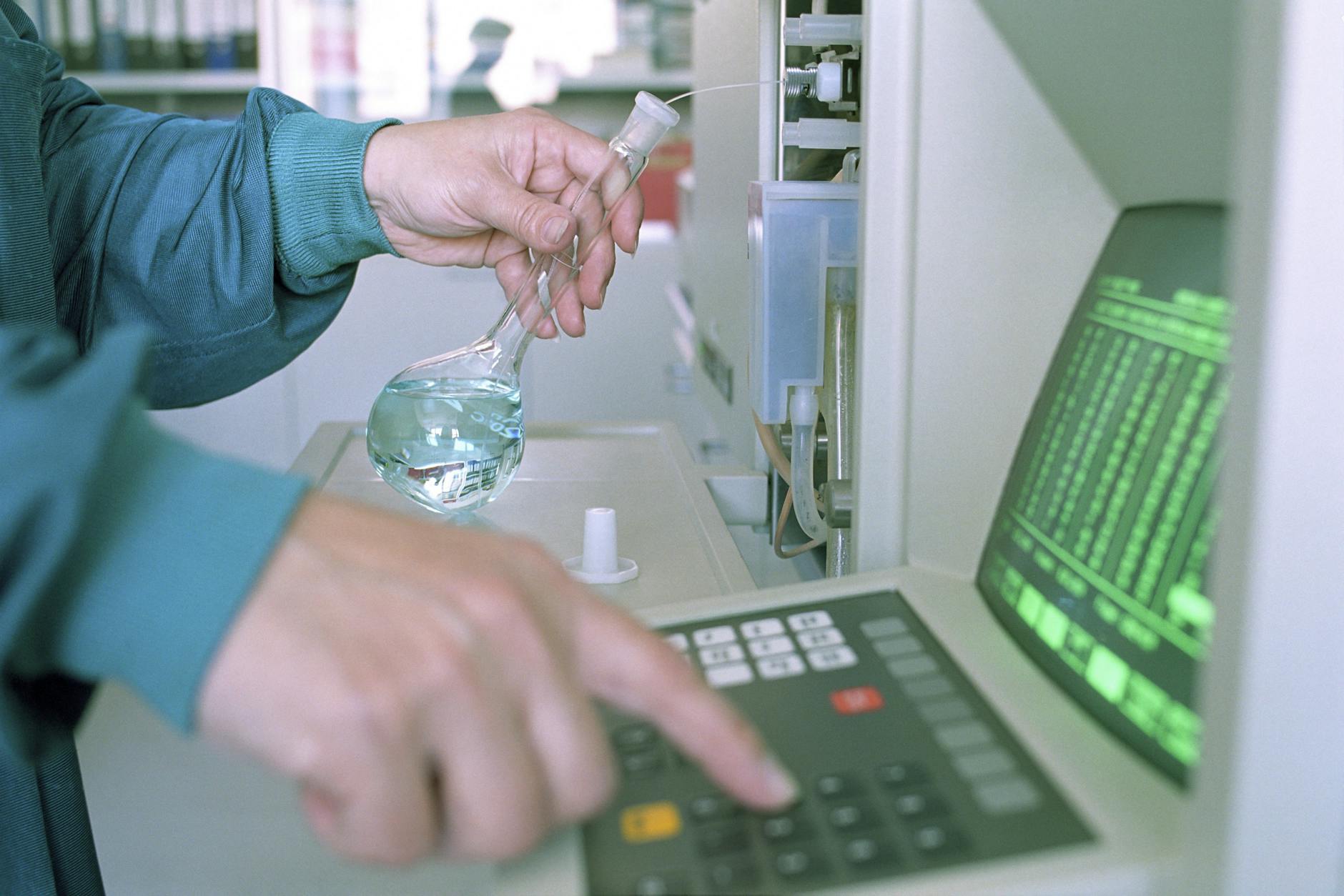
In the labyrinthine corridors of India's scientific community, a troubling discourse has emerged. A cadre of the nation's leading climate scientists has sounded the alarm over India's waning capability to construct its own scientific instruments. This dependency on foreign imports for climate observations, often relying on uncalibrated equipment for years, not only raises eyebrows but also significant concerns for the nation's scientific autonomy.
For a country that prides itself on technological prowess and innovation, the revelation is unsettling. The report, meticulously compiled from 88,000 peer-reviewed science papers, serves as a stark reminder of the challenges facing India's scientific infrastructure. While India has made notable strides in other technological arenas, such as the digital economy and space exploration, its faltering in scientific instrument manufacturing could have far-reaching implications.
Dependency Dilemma
India's reliance on imported scientific equipment is not a mere logistical concern. It speaks to a broader issue of self-sufficiency and resilience in critical scientific areas. The calibration—or lack thereof—of these instruments means that data, fundamental to climate science, may be compromised. Such data inaccuracies could impede efforts to combat environmental crises, including water scarcity and air pollution, both of which are exacerbated by climate change.
Moreover, the inability to produce precise instruments domestically could hinder India's ambitions on the global scientific stage. In a world where data accuracy and dependability are paramount, India's position as a leader in climate science could be undermined.
A Call to Action
The report advocates for urgent investment in research and development within the country. By fostering a robust ecosystem for scientific innovation, India could reclaim its capability to produce high-quality scientific instruments. This move would not only enhance data reliability but also stimulate economic growth by reducing dependency on imports.
As India grapples with the twin challenges of urbanisation and climate change, accurate scientific data becomes a non-negotiable asset. The call for self-reliance in scientific instrumentation is not just about national pride; it is about positioning India to effectively address its environmental challenges with sound, reliable data.